Octagonal Bajot Low Prayer Table From Rajasthan - 19th Century
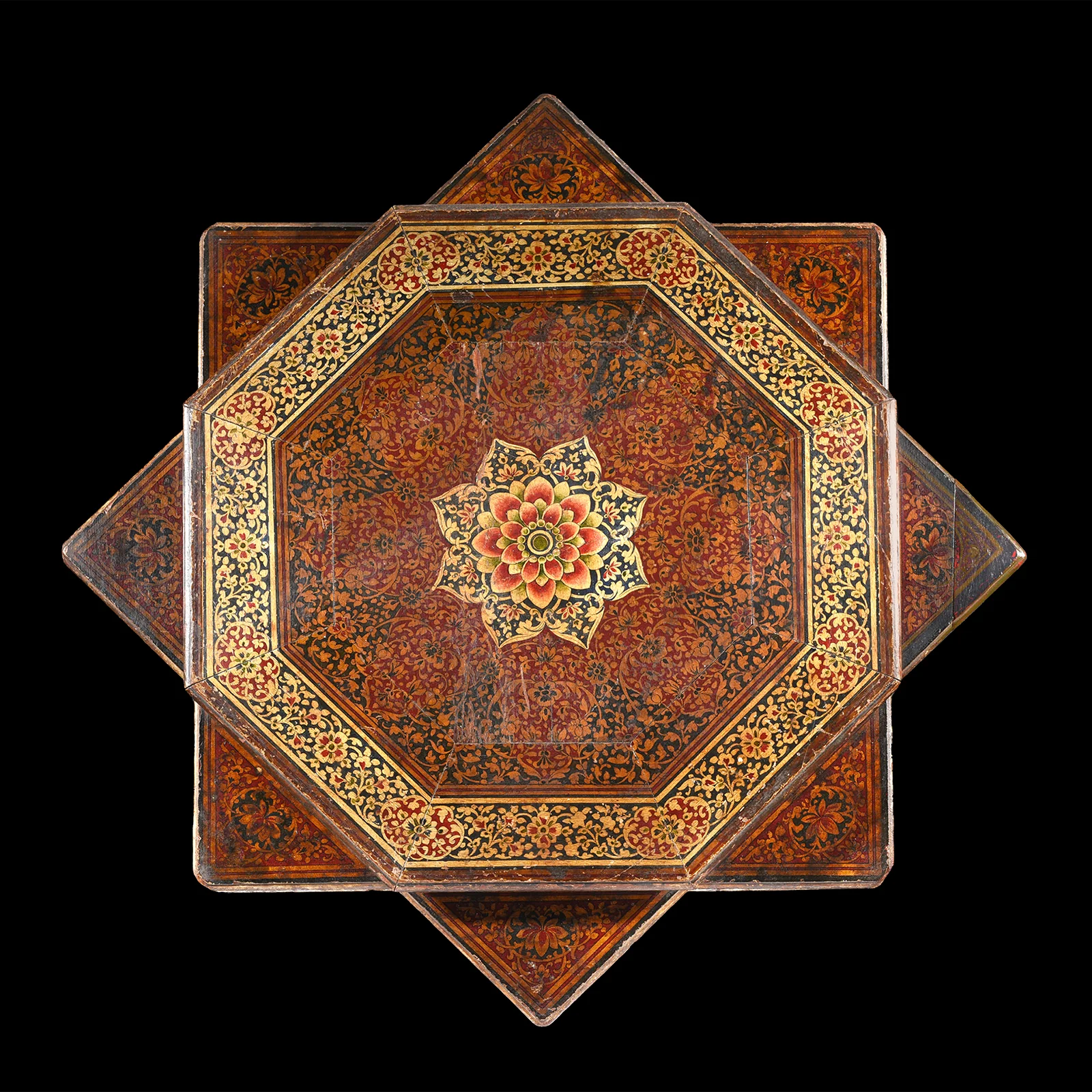
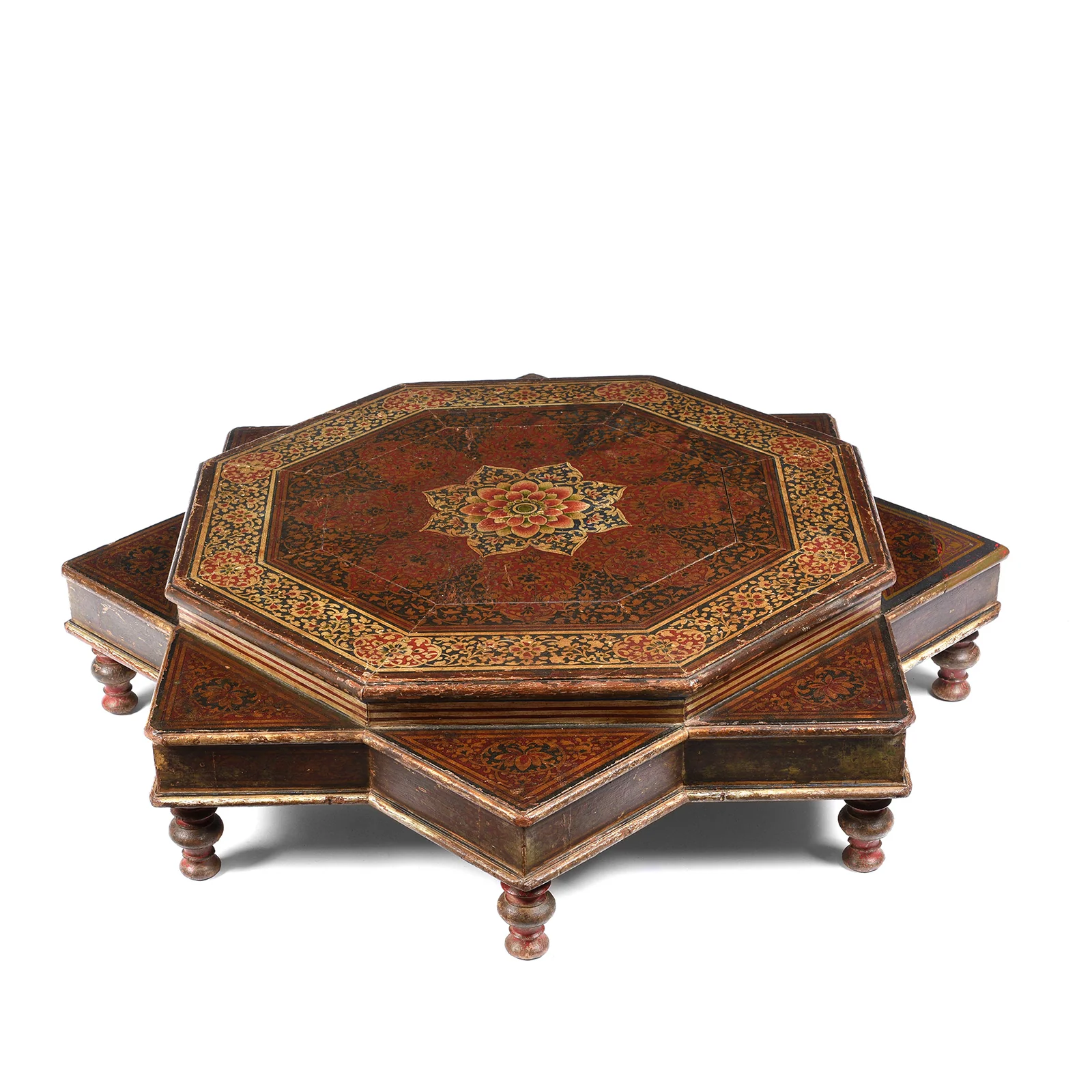
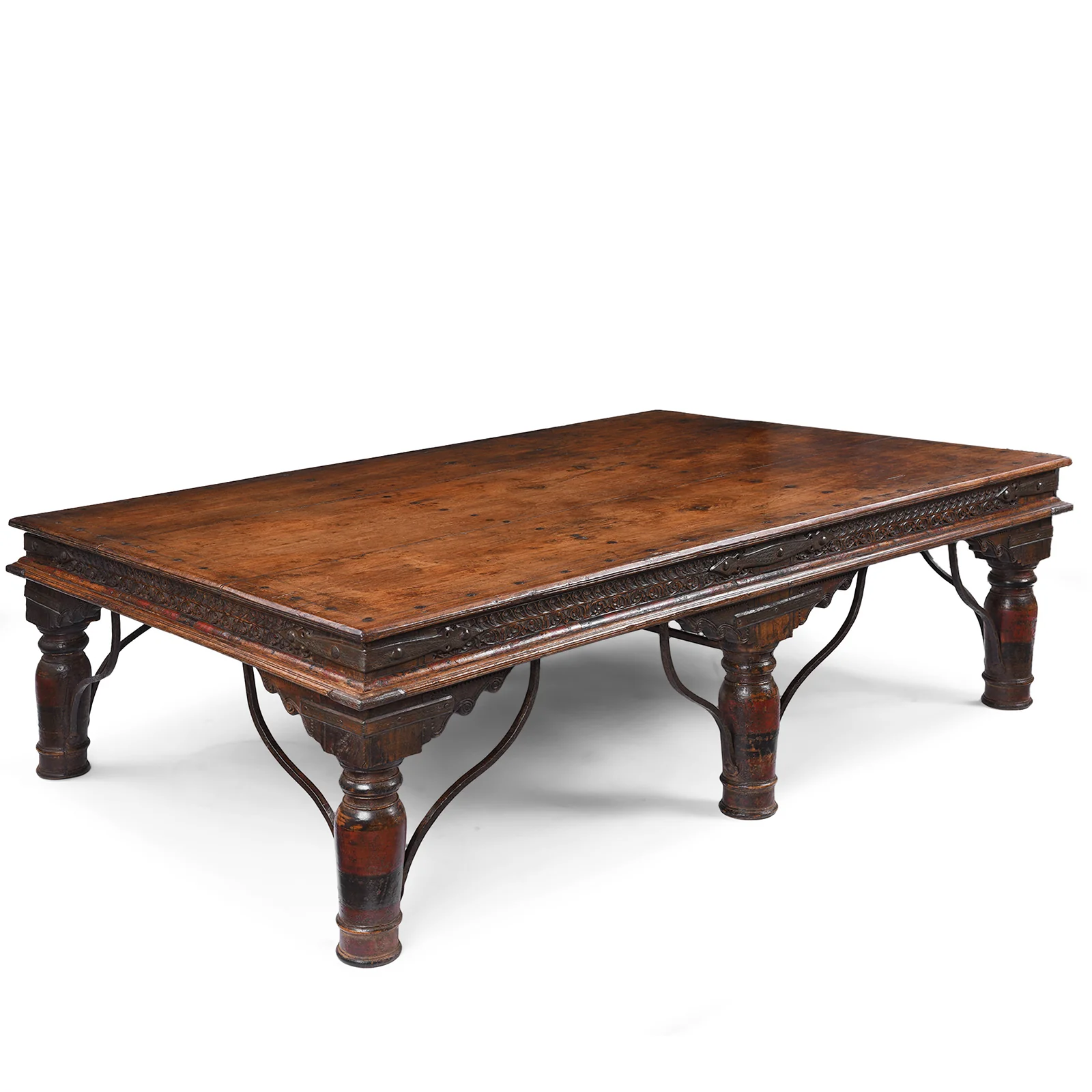
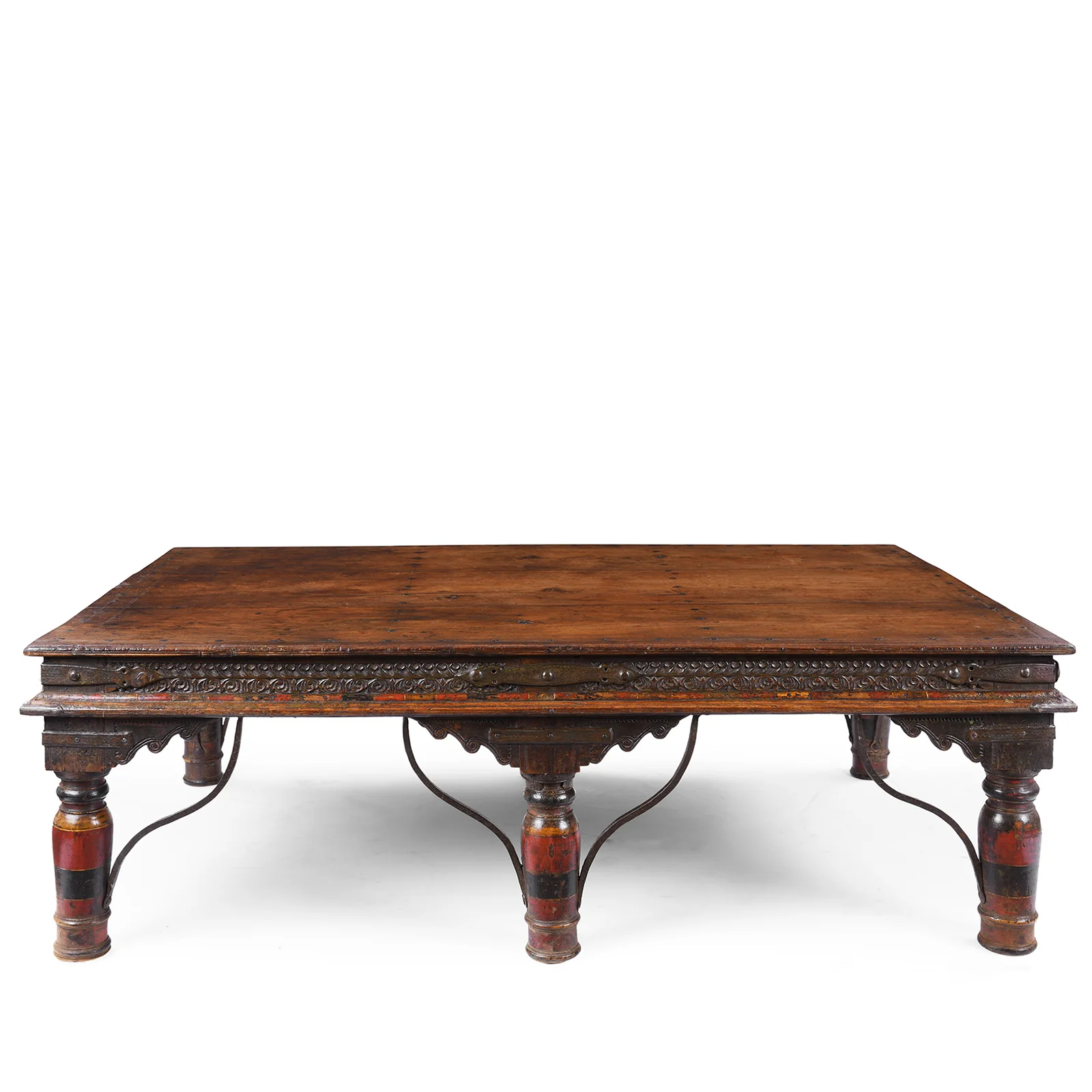
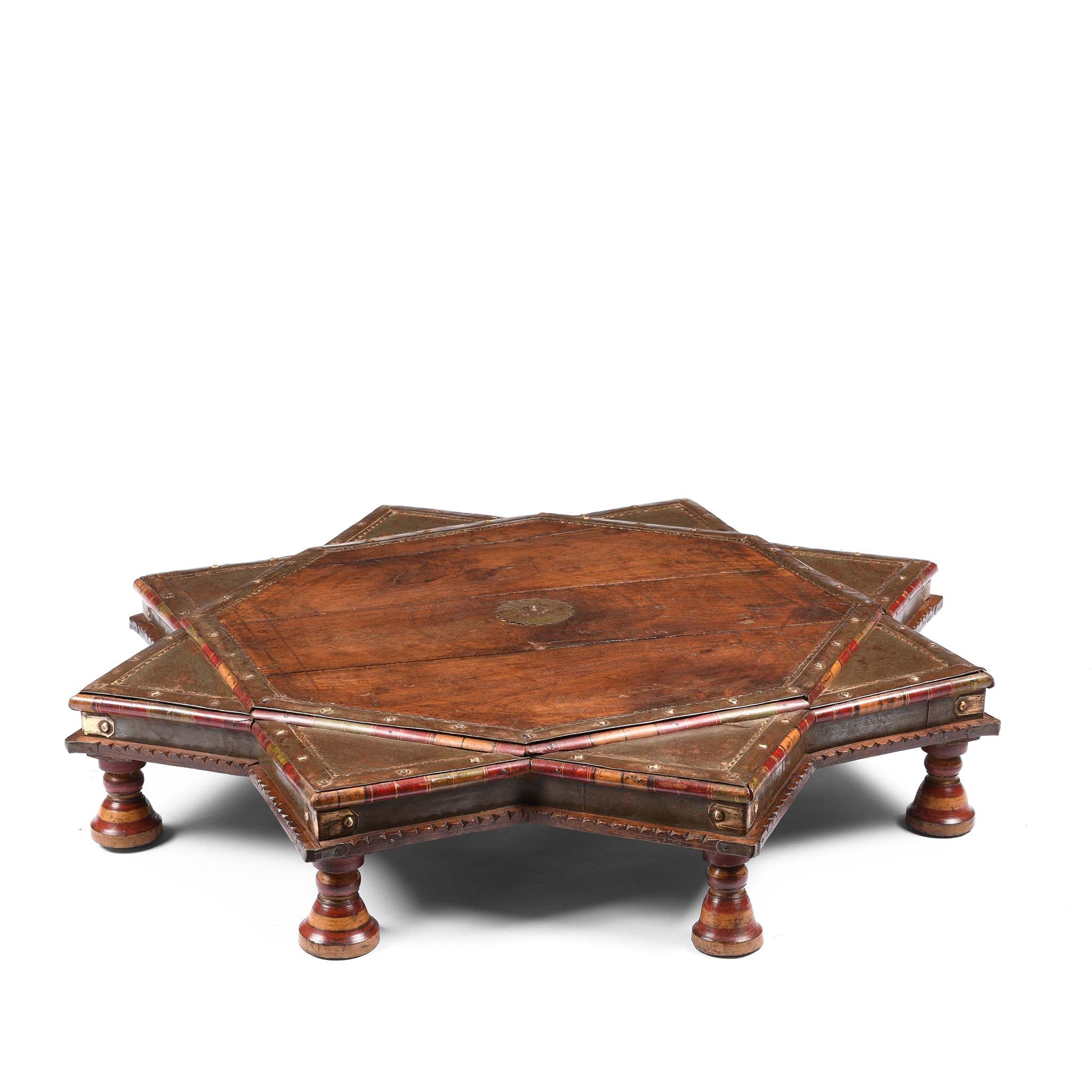
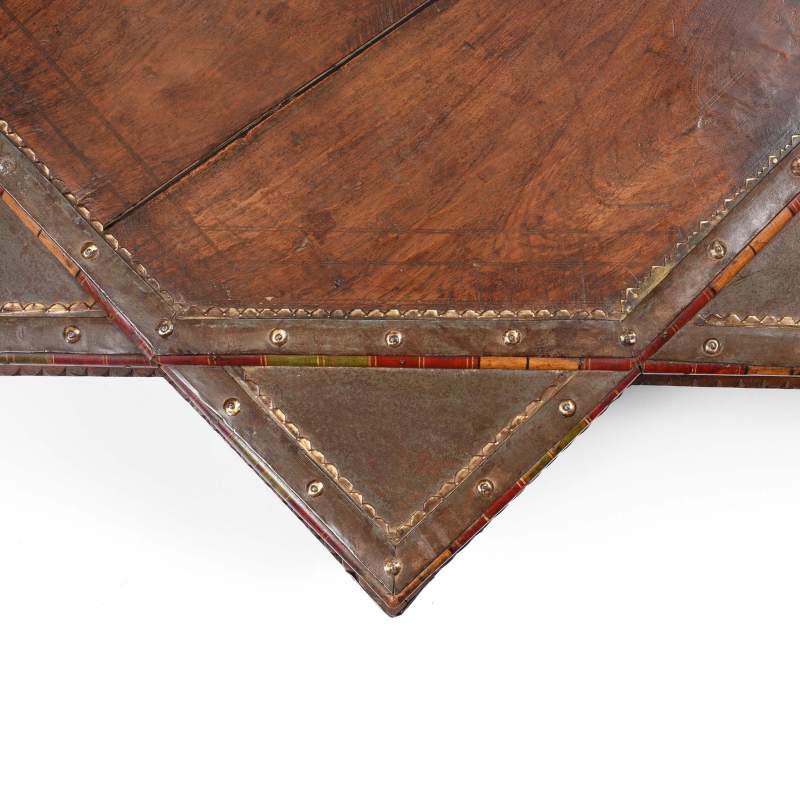
An octagonal roheda wood temple prayer table from Rajasthan and would have been used for daily puja. The original lacquer beading is colourful and it has a central brass inset. Dating from the middle to late 19th century. These type of low Indian prayer table were known as Bajots and are found in many styles around India.
Although used for Hindu prayers, the shape of this table shows a remarkable similarity to the Islamic Rub el Hizb known as the Islamic Star formed by two overlapping squares. This is likely an influence from the Mughal period in India (1526€“1761).
From India
UK Delivery Charge - except Highlands & Islands £40
More delivery options available at checkout
More Images


Octagonal Bajot Low Prayer Table From Rajasthan - 19th Century
An octagonal roheda wood temple prayer table from Rajasthan and would have been used for daily puja. The original lacquer beading is colourful and it has a central brass inset. Dating from the middle to late 19th century. These type of low Indian prayer table were known as Bajots and are found in many styles around India.
Although used for Hindu prayers, the shape of this table shows a remarkable similarity to the Islamic Rub el Hizb known as the Islamic Star formed by two overlapping squares. This is likely an influence from the Mughal period in India (1526€“1761).
From India
UK Delivery Charge - except Highlands & Islands £40
More delivery options available at checkout
Product Information
Product Information
Shipping & Returns
Shipping & Returns
Description
An octagonal roheda wood temple prayer table from Rajasthan and would have been used for daily puja. The original lacquer beading is colourful and it has a central brass inset. Dating from the middle to late 19th century. These type of low Indian prayer table were known as Bajots and are found in many styles around India.
Although used for Hindu prayers, the shape of this table shows a remarkable similarity to the Islamic Rub el Hizb known as the Islamic Star formed by two overlapping squares. This is likely an influence from the Mughal period in India (1526€“1761).
From India
UK Delivery Charge - except Highlands & Islands £40
More delivery options available at checkout