Keyaki Sendai Isho Dansu - Ca 1900 (Meiji Era)
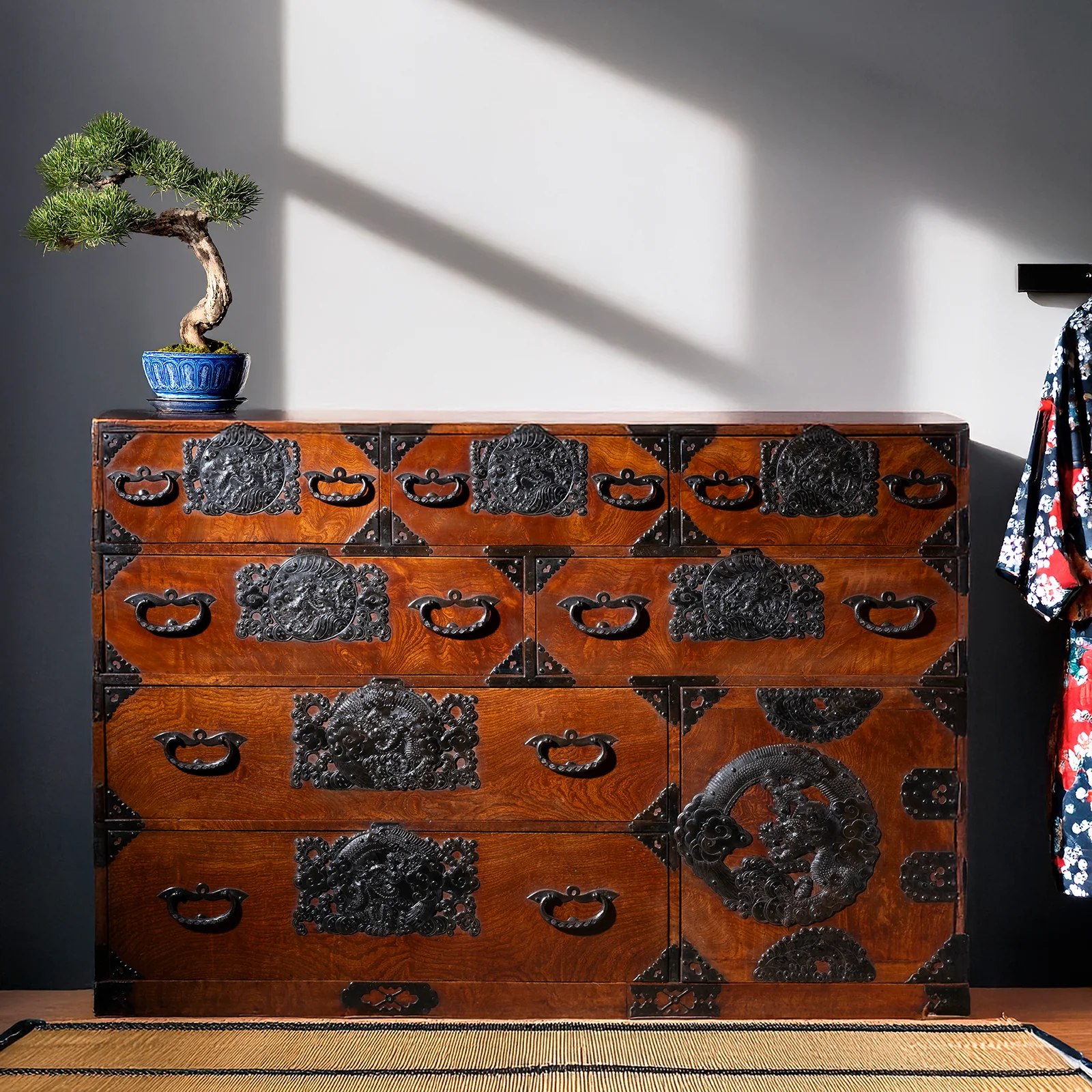
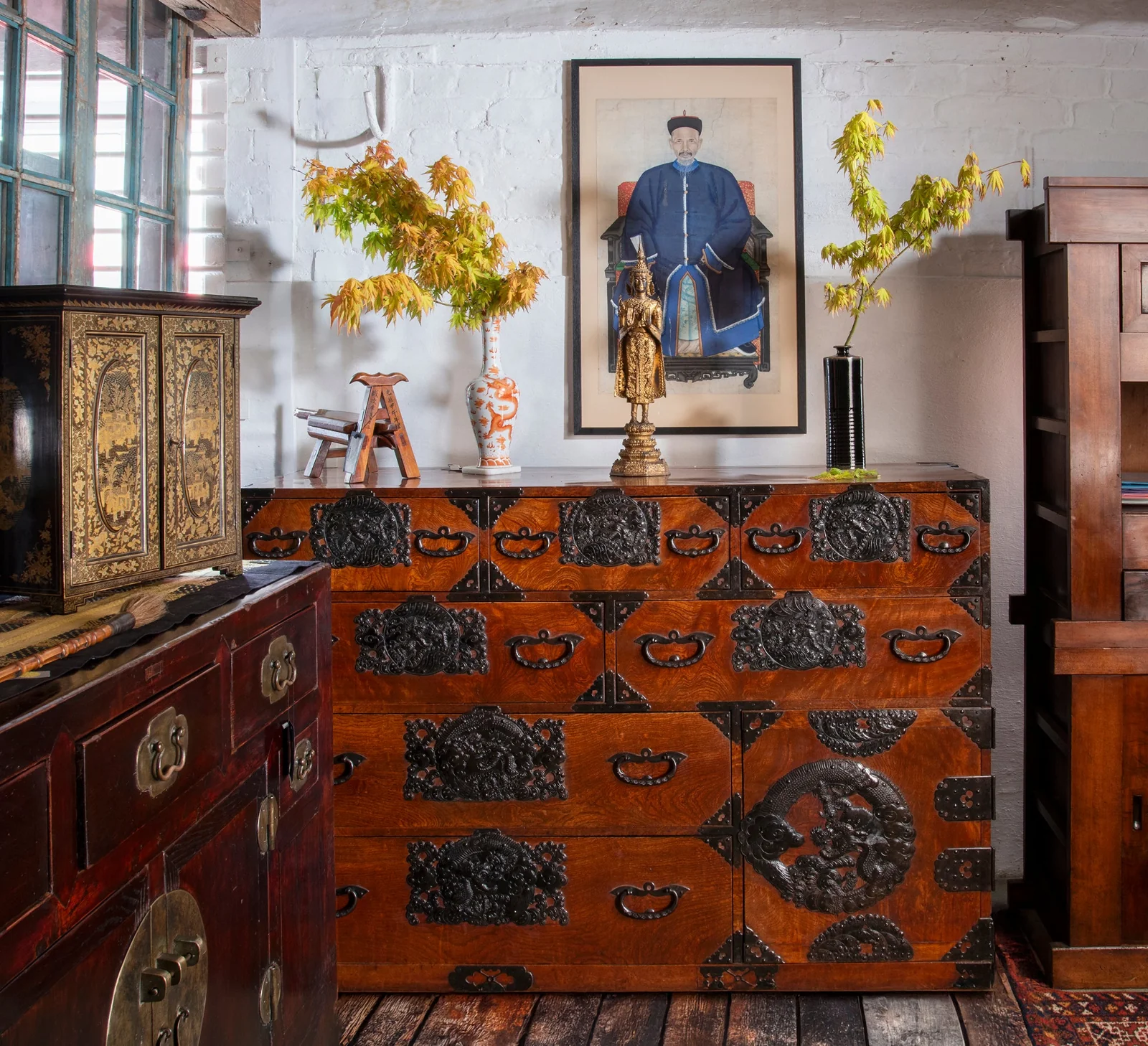
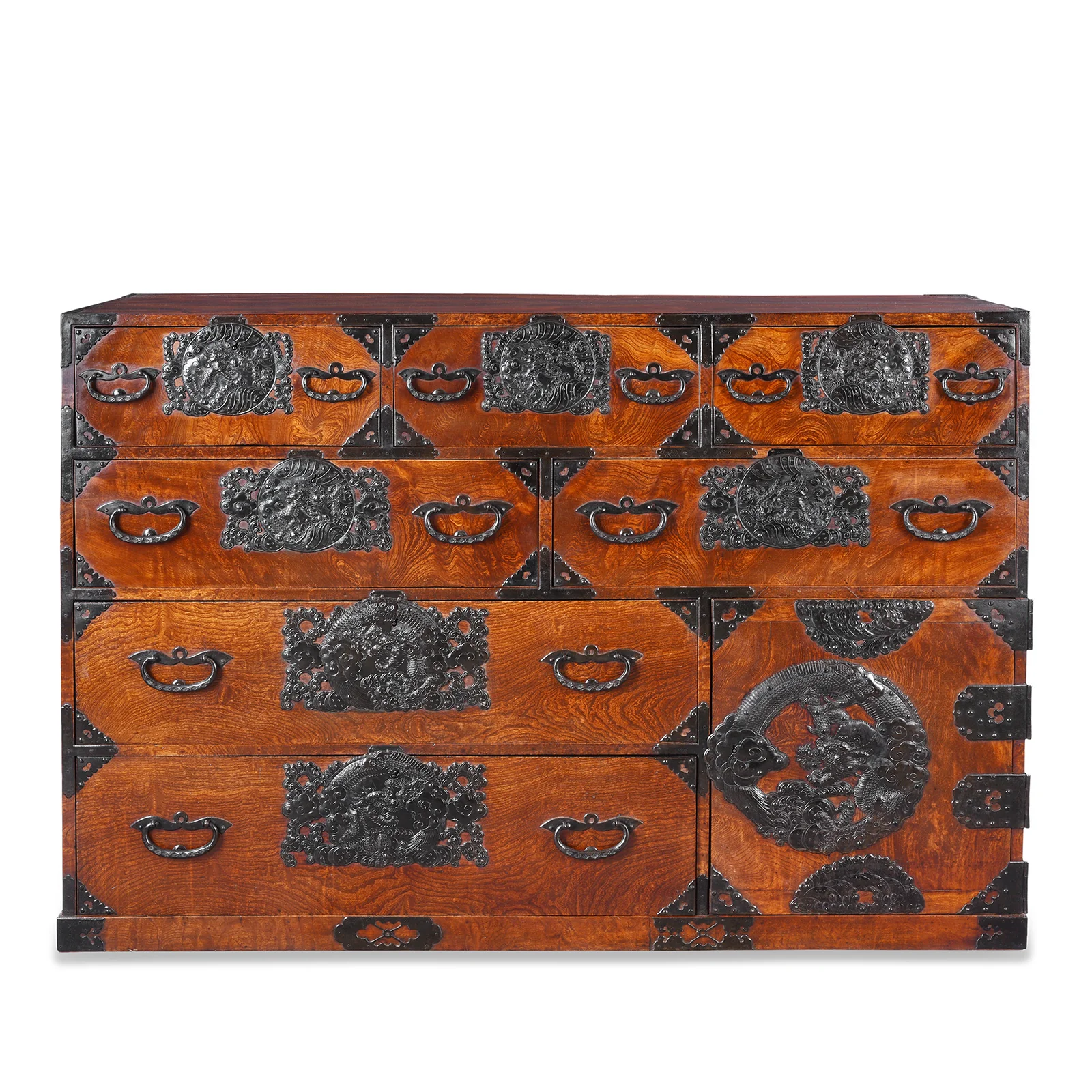
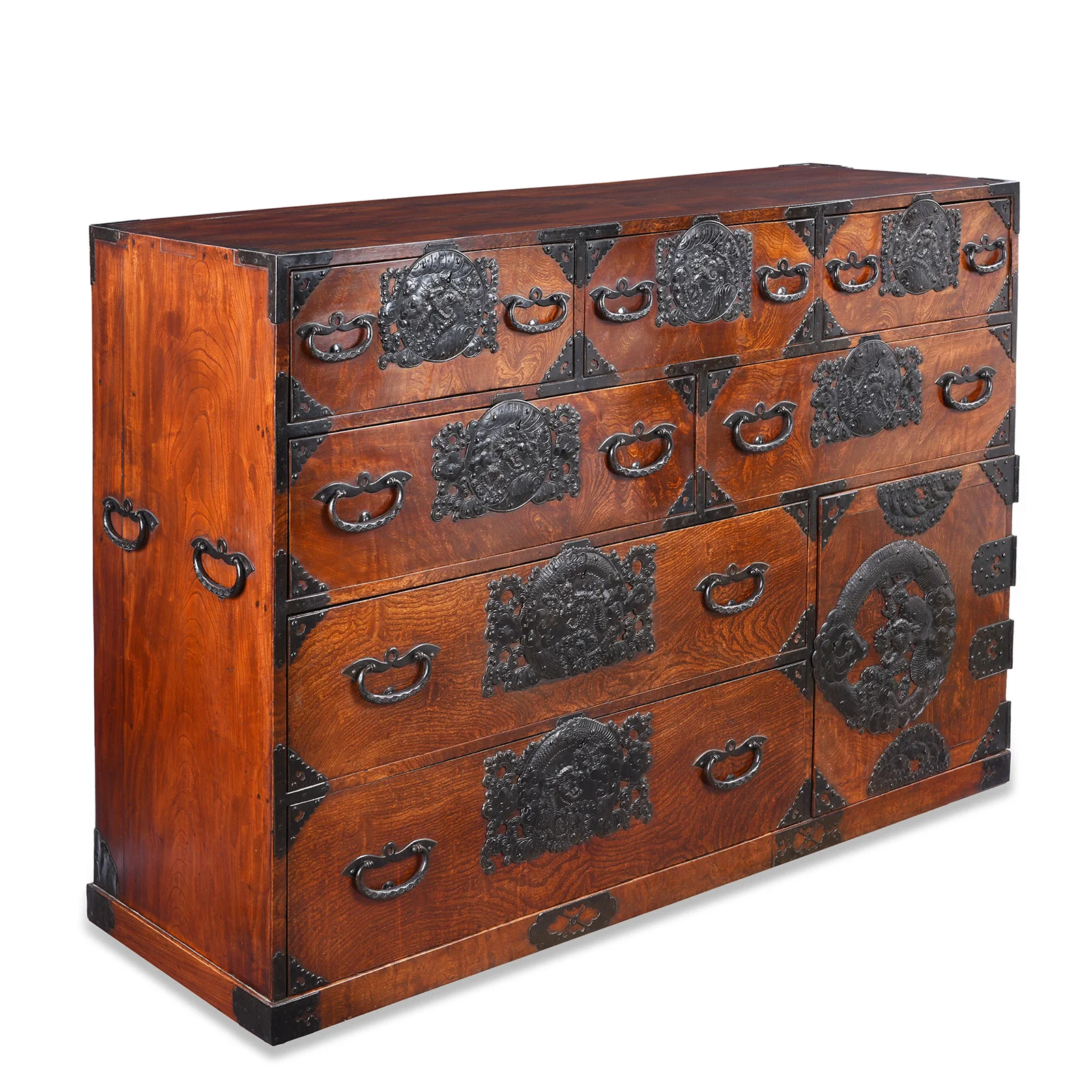
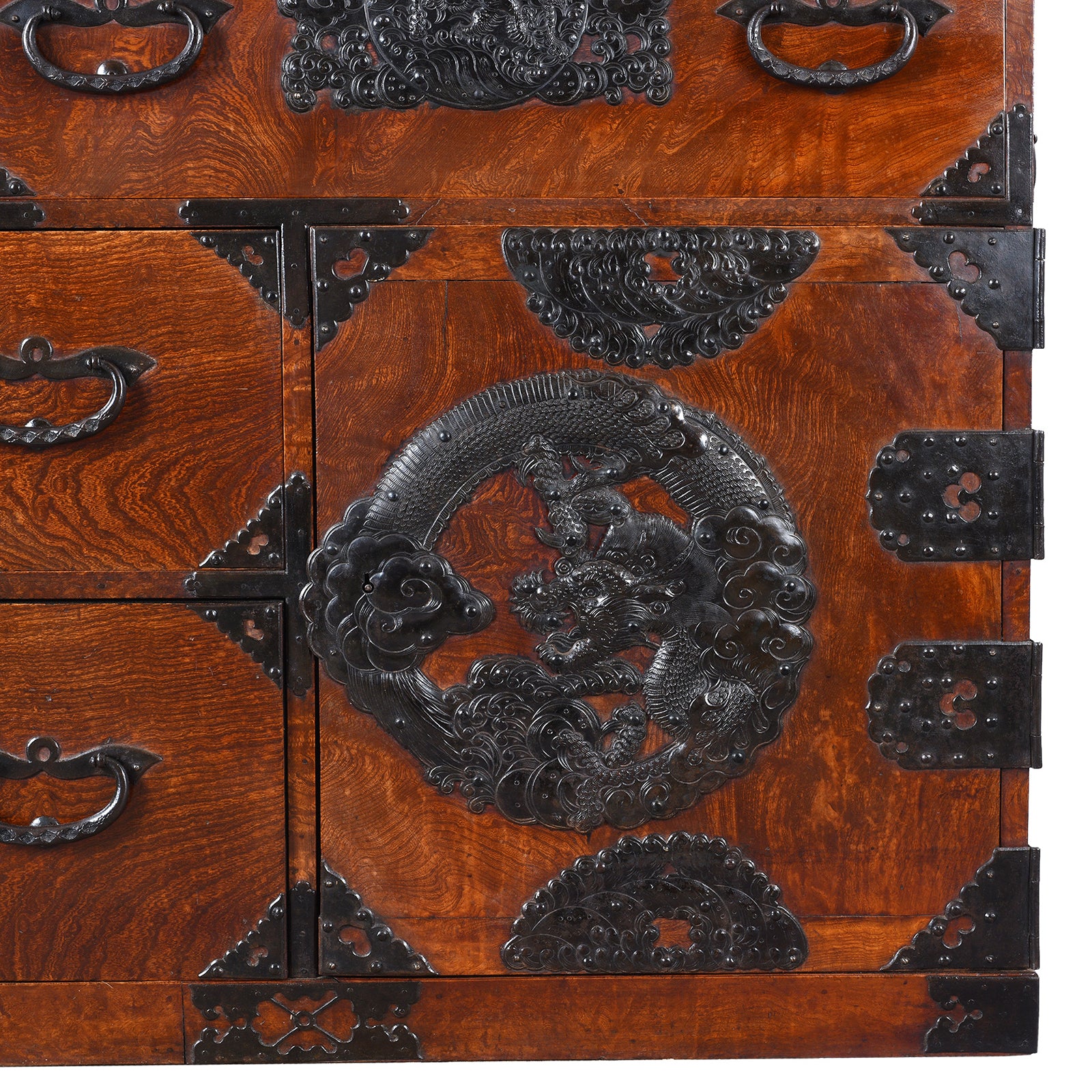
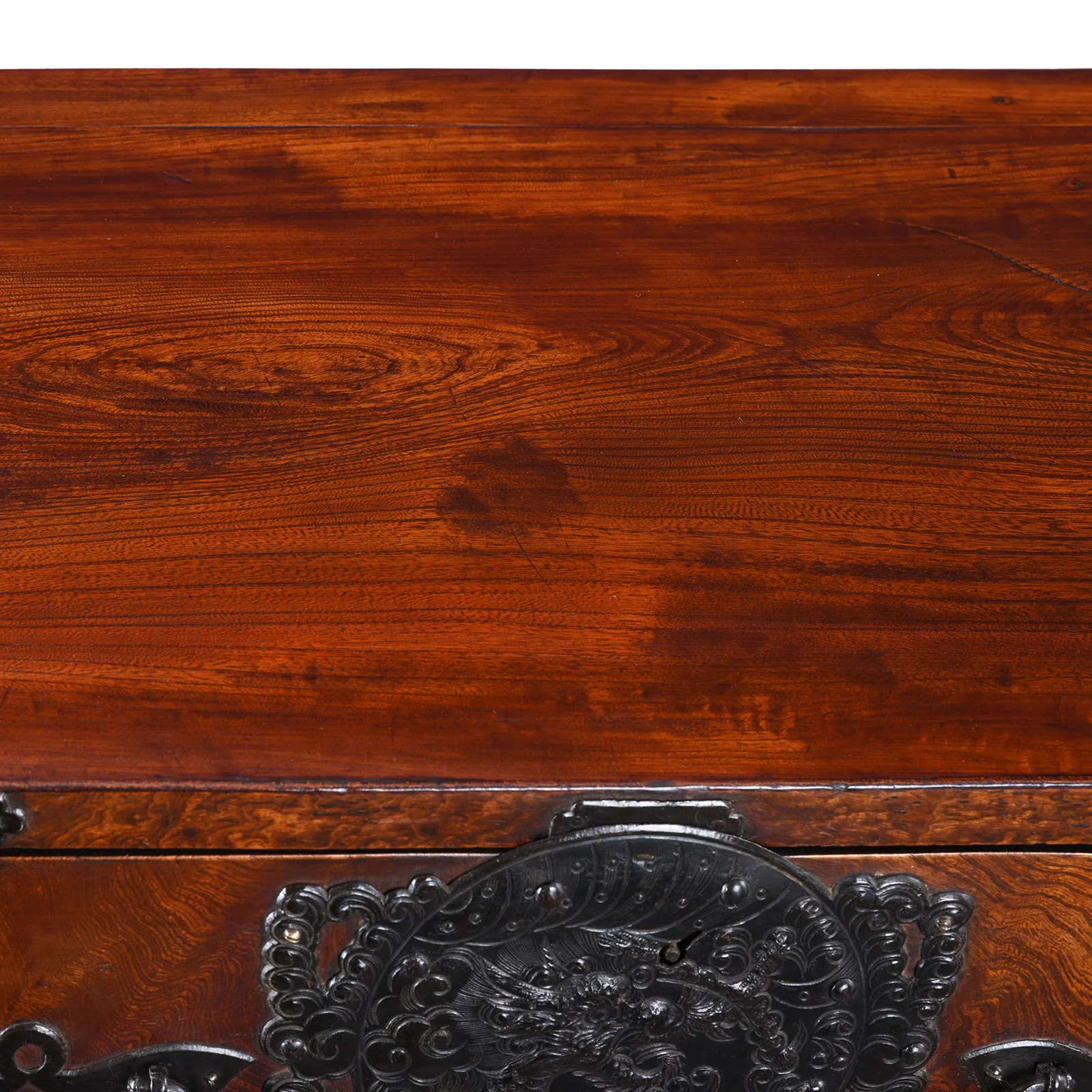
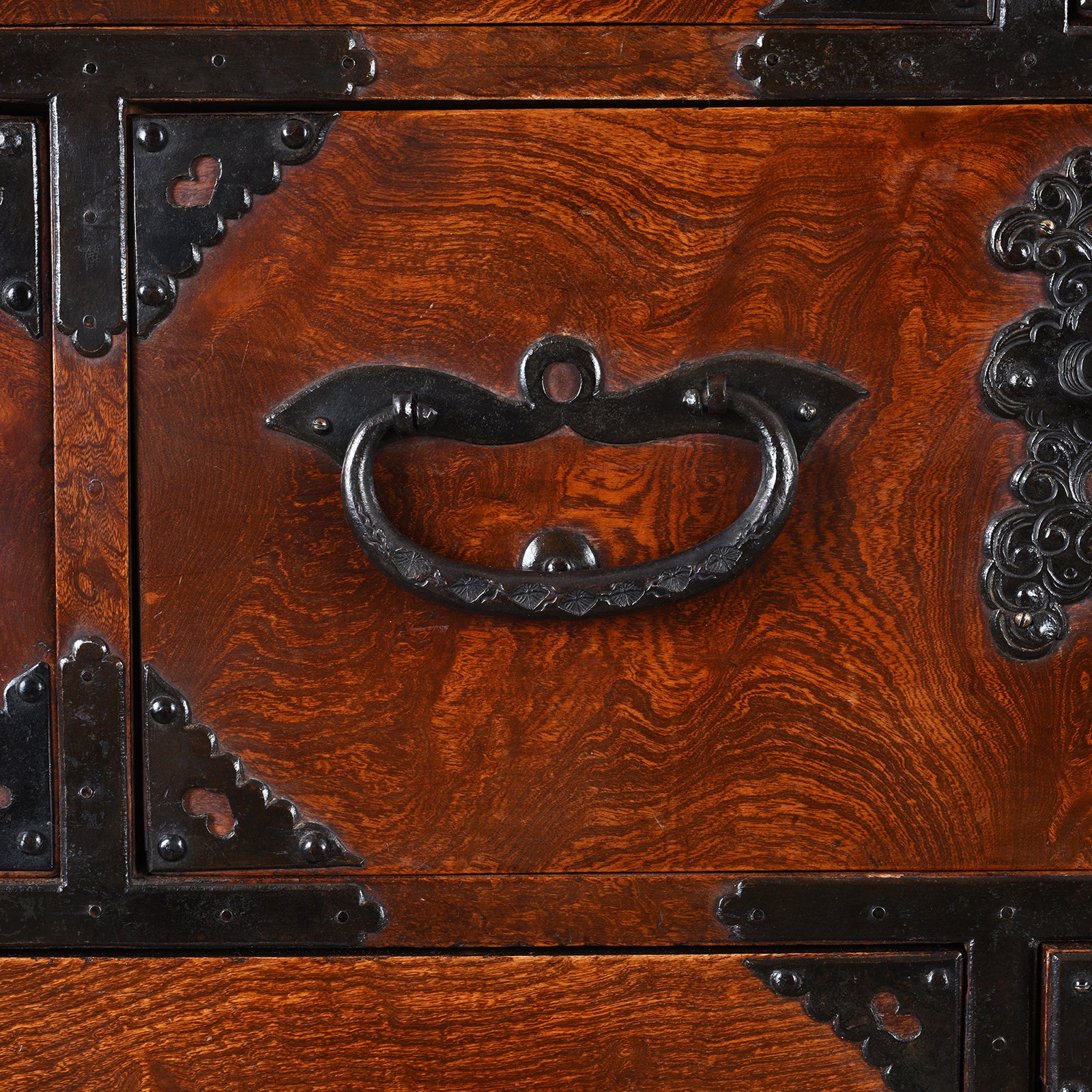
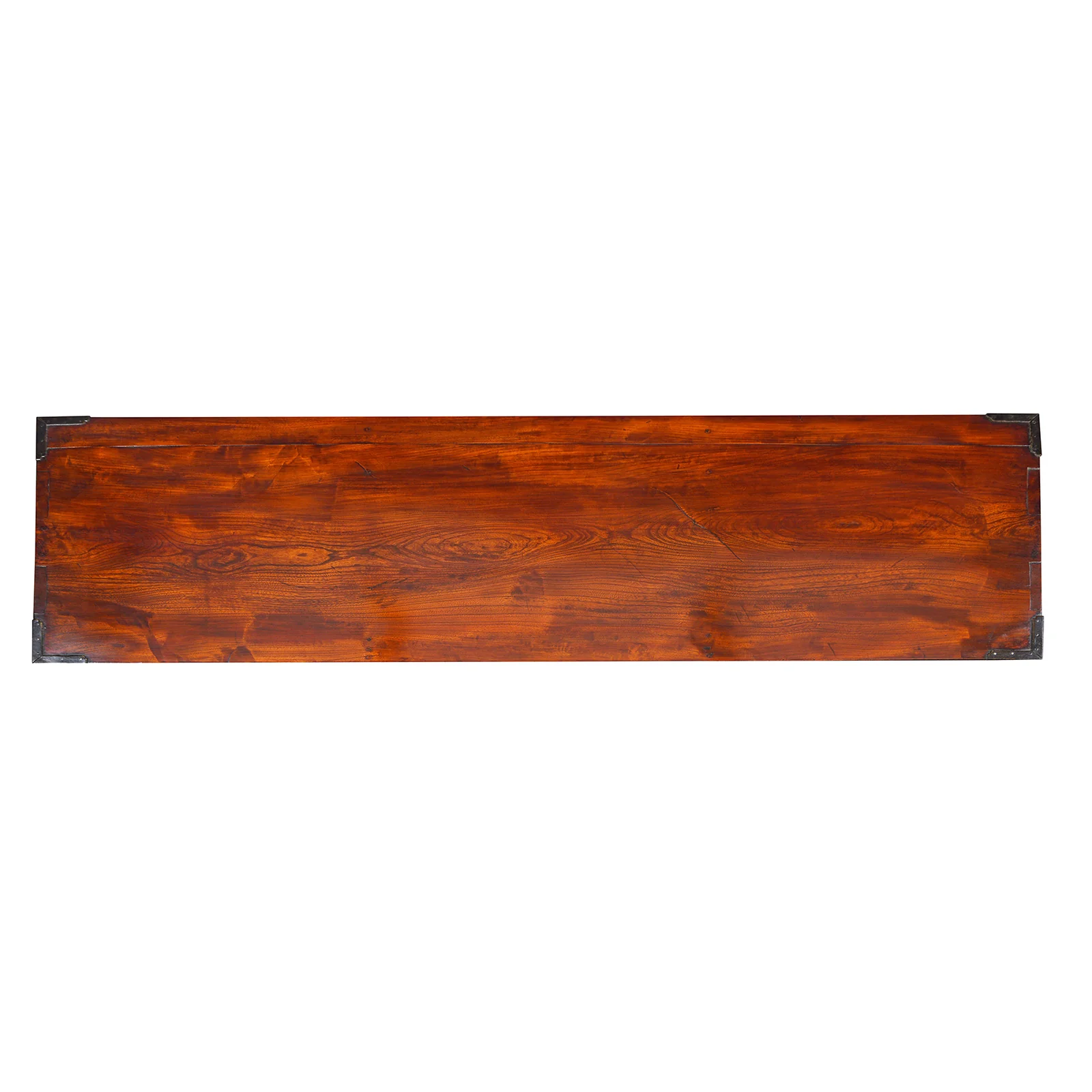
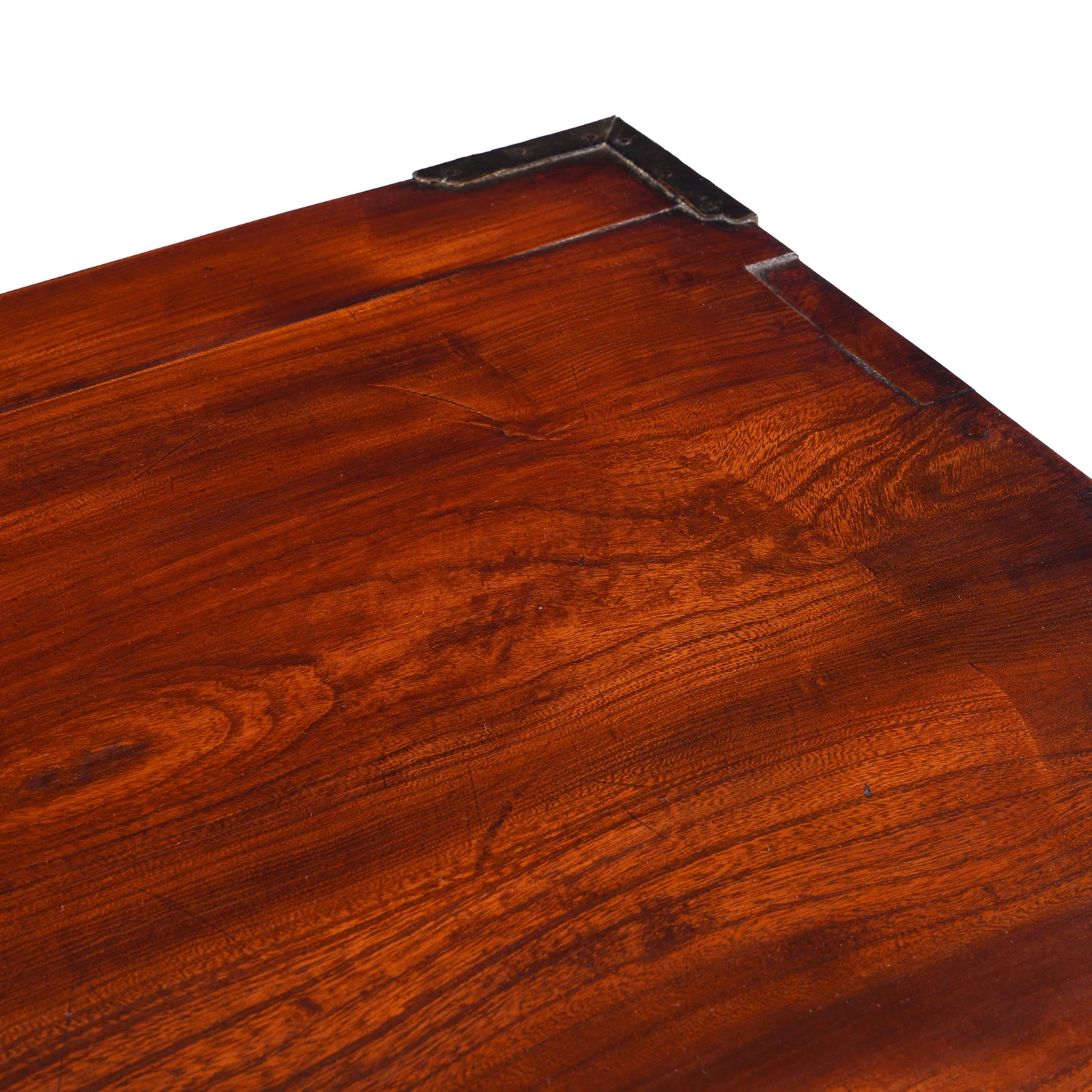
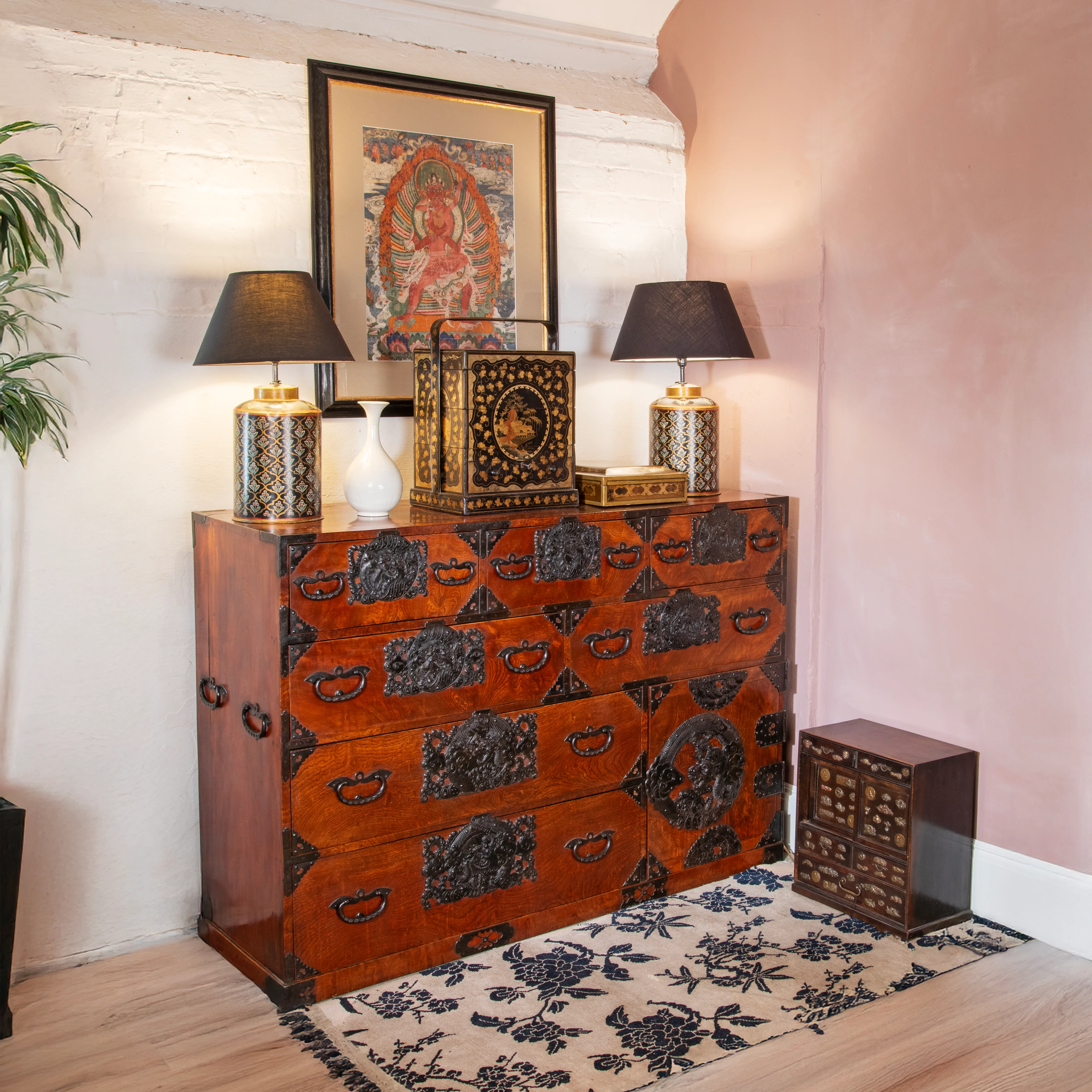
This stunning Japanese Sendai Isho Dansu dates from circa 1910. Sendai tansu chests are the most decorative and impressive of all Japanese tansu chests. Crafted from solid keyaki (zelkova / red elm) with forged iron hardware.
This style of tansu appeared around 1902, and was mostly made for the export market to America & Europe as well as Western expats in Japan. The quality of work is superb and they were made for exceedingly wealthy individuals.
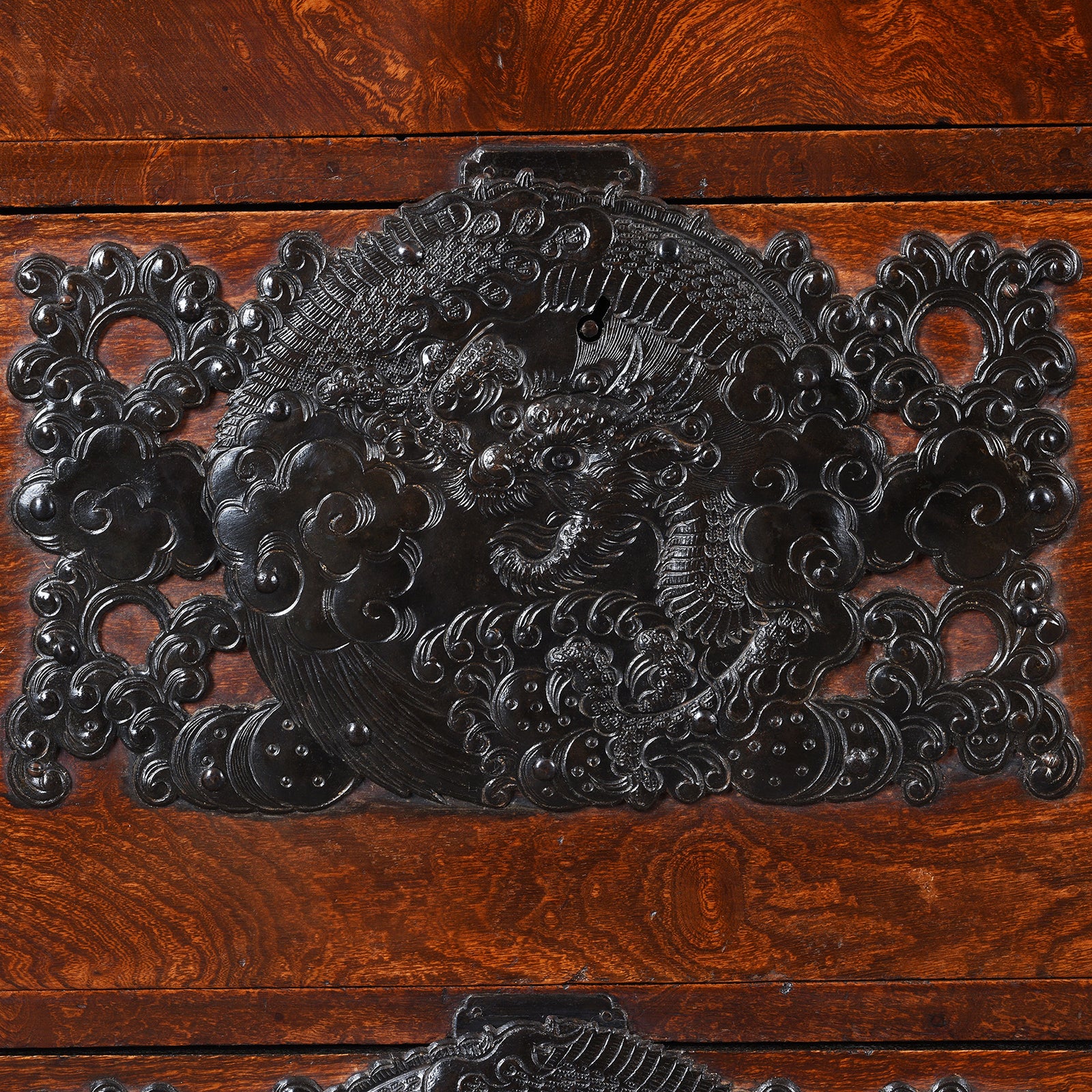
The masterfully crafted ironwork is particular to Sendai province. Sendai metalwork forgoes straight lines and spreads effortlessly. After the sword carrying ban of 1876, Sendai swordsmiths who were famed for their high-quality work and turned their hand to tansu metalwork instead.
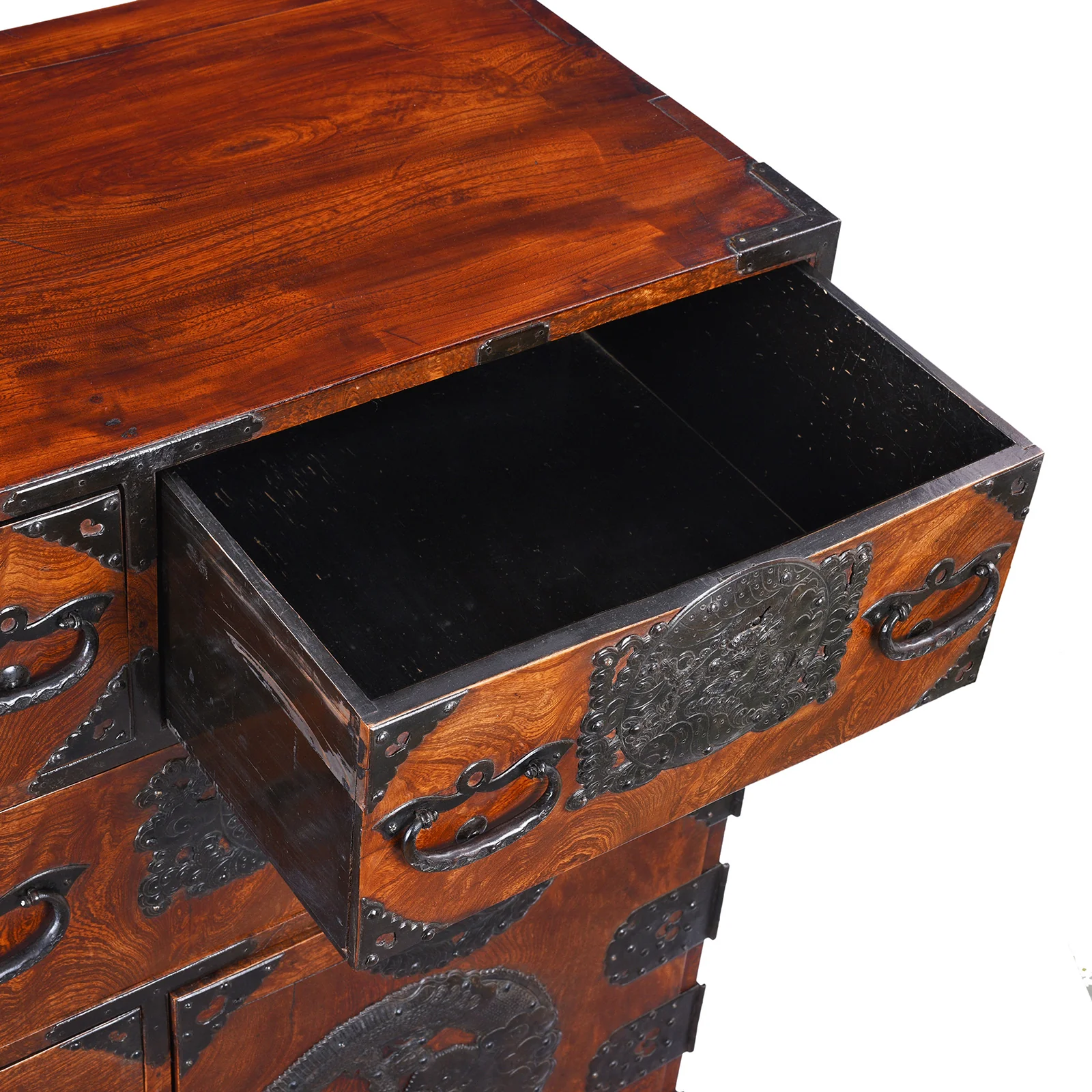
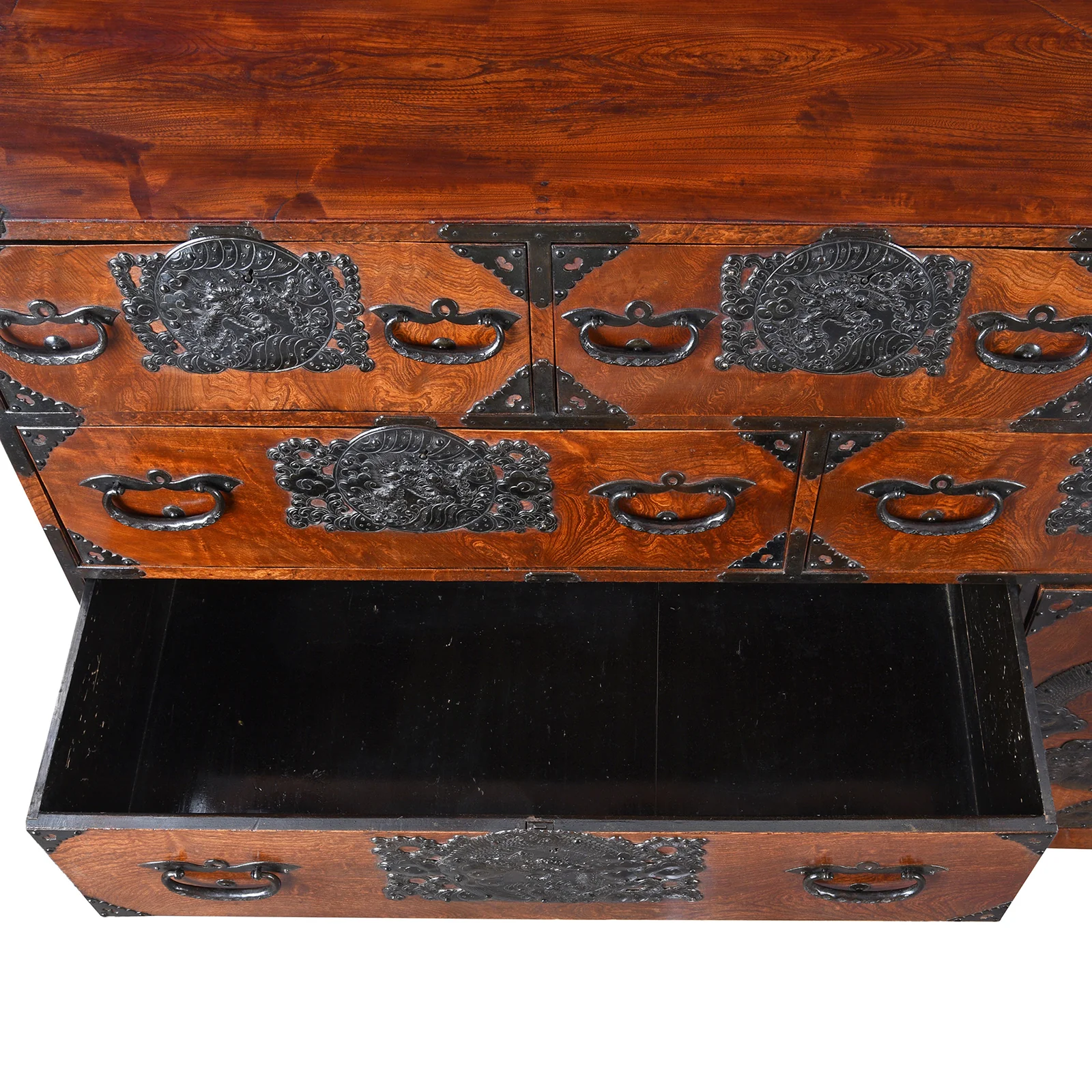
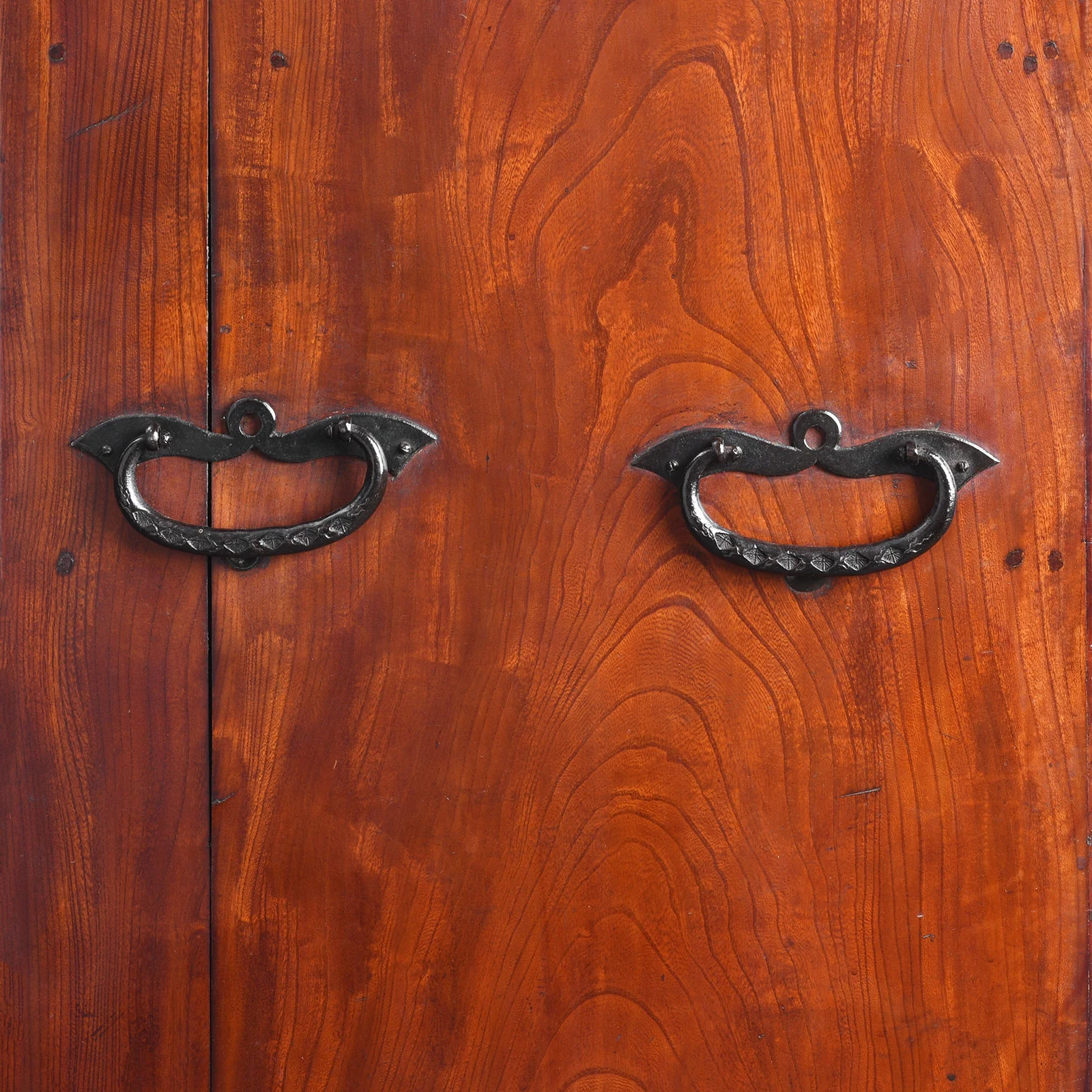
This beautiful piece is one of the best of its type and features dragons frolicking in the waves. Sturdy cast iron handles on the drawers and the side of the cabinet.
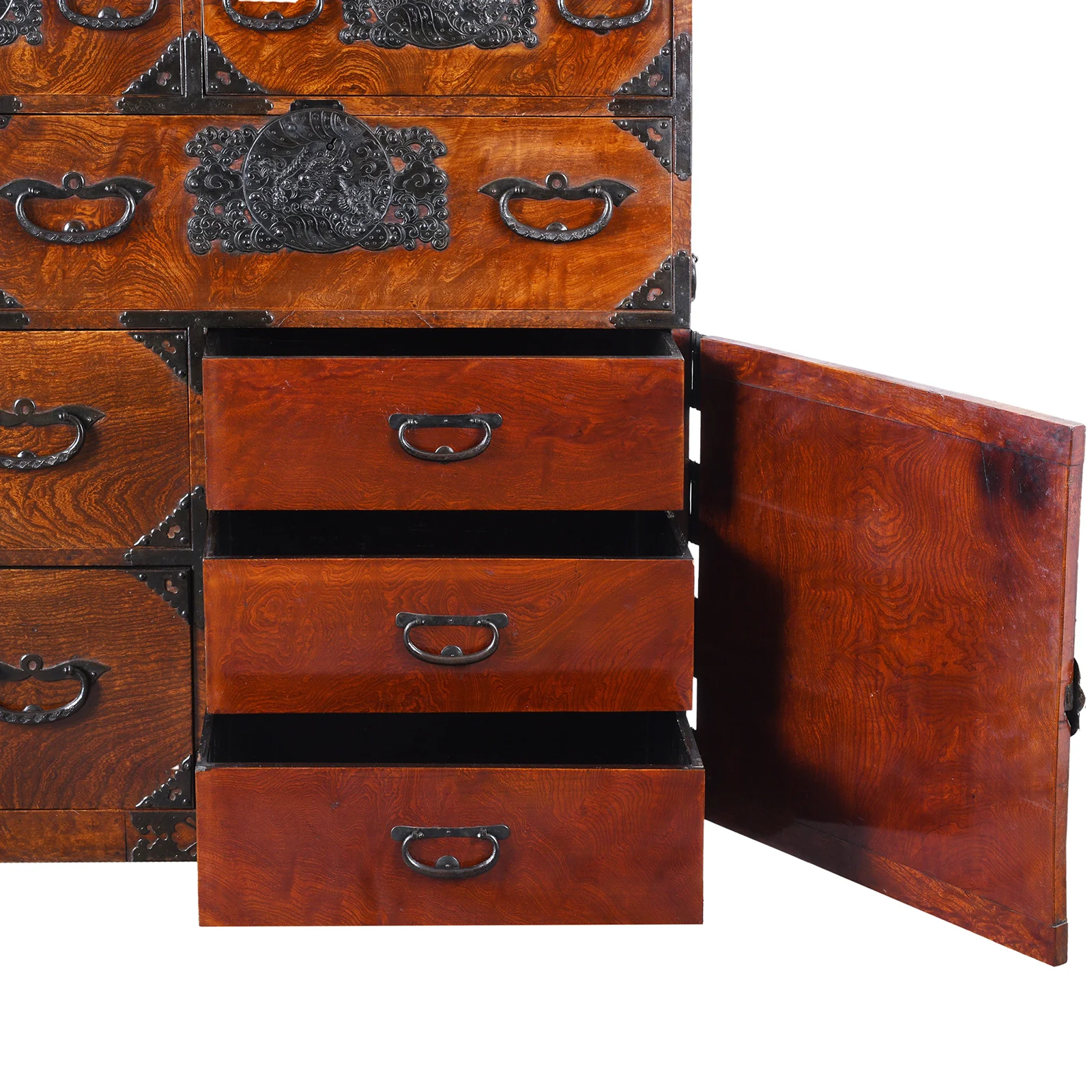
The main cabinet offers seven drawers, all coated in the interior with a deep black lacquer. Once opened, the lower right compartment offers a further three smaller drawers.
We painstakingly restore each piece using traditional Japanese techniques to ensure these pieces last and are loved for many more life times to come.
This chest is supplied with a working key.
Condition:
It should be noted that as is often the case with these red elm tansu chests, the drawer fronts have some bowing which has been partially mitigated in our workshop.
References:
For a similar Sendai export tansu see Traditional Japanese Chests: A Definitive Guide by Kazuko Koizumi, page 40.
For further information, see Japanese Antique Furniture: A Guide to Evaluating & Restoring by Rosy Clarke & Japanese Cabinetry: The Art & Craft of Tansu by David Jackson & Dane Owen.
More Images
Keyaki Sendai Isho Dansu - Ca 1900 (Meiji Era)
This stunning Japanese Sendai Isho Dansu dates from circa 1910. Sendai tansu chests are the most decorative and impressive of all Japanese tansu chests. Crafted from solid keyaki (zelkova / red elm) with forged iron hardware.
This style of tansu appeared around 1902, and was mostly made for the export market to America & Europe as well as Western expats in Japan. The quality of work is superb and they were made for exceedingly wealthy individuals.
The masterfully crafted ironwork is particular to Sendai province. Sendai metalwork forgoes straight lines and spreads effortlessly. After the sword carrying ban of 1876, Sendai swordsmiths who were famed for their high-quality work and turned their hand to tansu metalwork instead.
This beautiful piece is one of the best of its type and features dragons frolicking in the waves. Sturdy cast iron handles on the drawers and the side of the cabinet.
The main cabinet offers seven drawers, all coated in the interior with a deep black lacquer. Once opened, the lower right compartment offers a further three smaller drawers.
We painstakingly restore each piece using traditional Japanese techniques to ensure these pieces last and are loved for many more life times to come.
This chest is supplied with a working key.
Condition:
It should be noted that as is often the case with these red elm tansu chests, the drawer fronts have some bowing which has been partially mitigated in our workshop.
References:
For a similar Sendai export tansu see Traditional Japanese Chests: A Definitive Guide by Kazuko Koizumi, page 40.
For further information, see Japanese Antique Furniture: A Guide to Evaluating & Restoring by Rosy Clarke & Japanese Cabinetry: The Art & Craft of Tansu by David Jackson & Dane Owen.
Product Information
Product Information
Shipping & Returns
Shipping & Returns
Description
This stunning Japanese Sendai Isho Dansu dates from circa 1910. Sendai tansu chests are the most decorative and impressive of all Japanese tansu chests. Crafted from solid keyaki (zelkova / red elm) with forged iron hardware.
This style of tansu appeared around 1902, and was mostly made for the export market to America & Europe as well as Western expats in Japan. The quality of work is superb and they were made for exceedingly wealthy individuals.
The masterfully crafted ironwork is particular to Sendai province. Sendai metalwork forgoes straight lines and spreads effortlessly. After the sword carrying ban of 1876, Sendai swordsmiths who were famed for their high-quality work and turned their hand to tansu metalwork instead.
This beautiful piece is one of the best of its type and features dragons frolicking in the waves. Sturdy cast iron handles on the drawers and the side of the cabinet.
The main cabinet offers seven drawers, all coated in the interior with a deep black lacquer. Once opened, the lower right compartment offers a further three smaller drawers.
We painstakingly restore each piece using traditional Japanese techniques to ensure these pieces last and are loved for many more life times to come.
This chest is supplied with a working key.
Condition:
It should be noted that as is often the case with these red elm tansu chests, the drawer fronts have some bowing which has been partially mitigated in our workshop.
References:
For a similar Sendai export tansu see Traditional Japanese Chests: A Definitive Guide by Kazuko Koizumi, page 40.
For further information, see Japanese Antique Furniture: A Guide to Evaluating & Restoring by Rosy Clarke & Japanese Cabinetry: The Art & Craft of Tansu by David Jackson & Dane Owen.