
Carved Chinese Altar Table From Qinghai - 19th Century
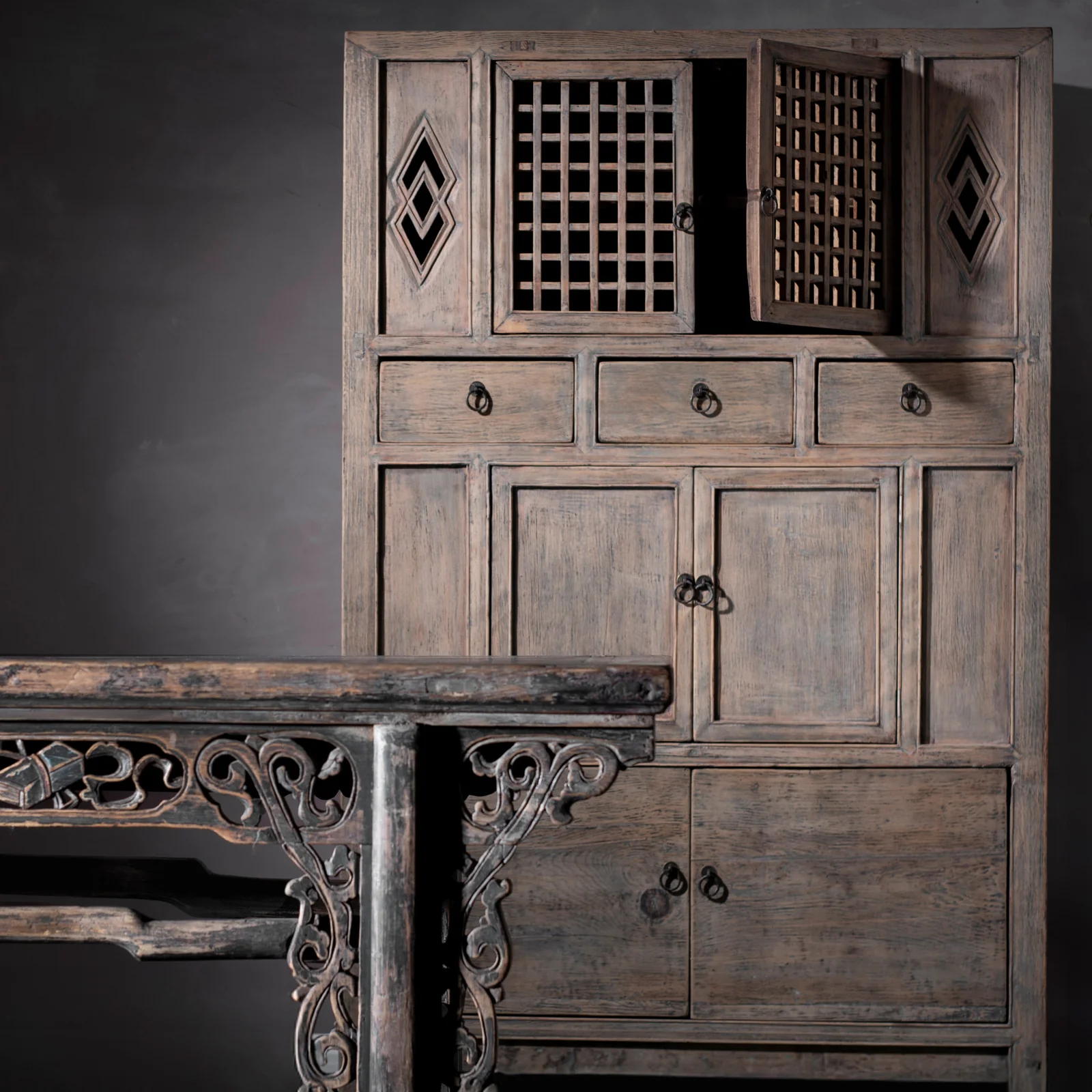
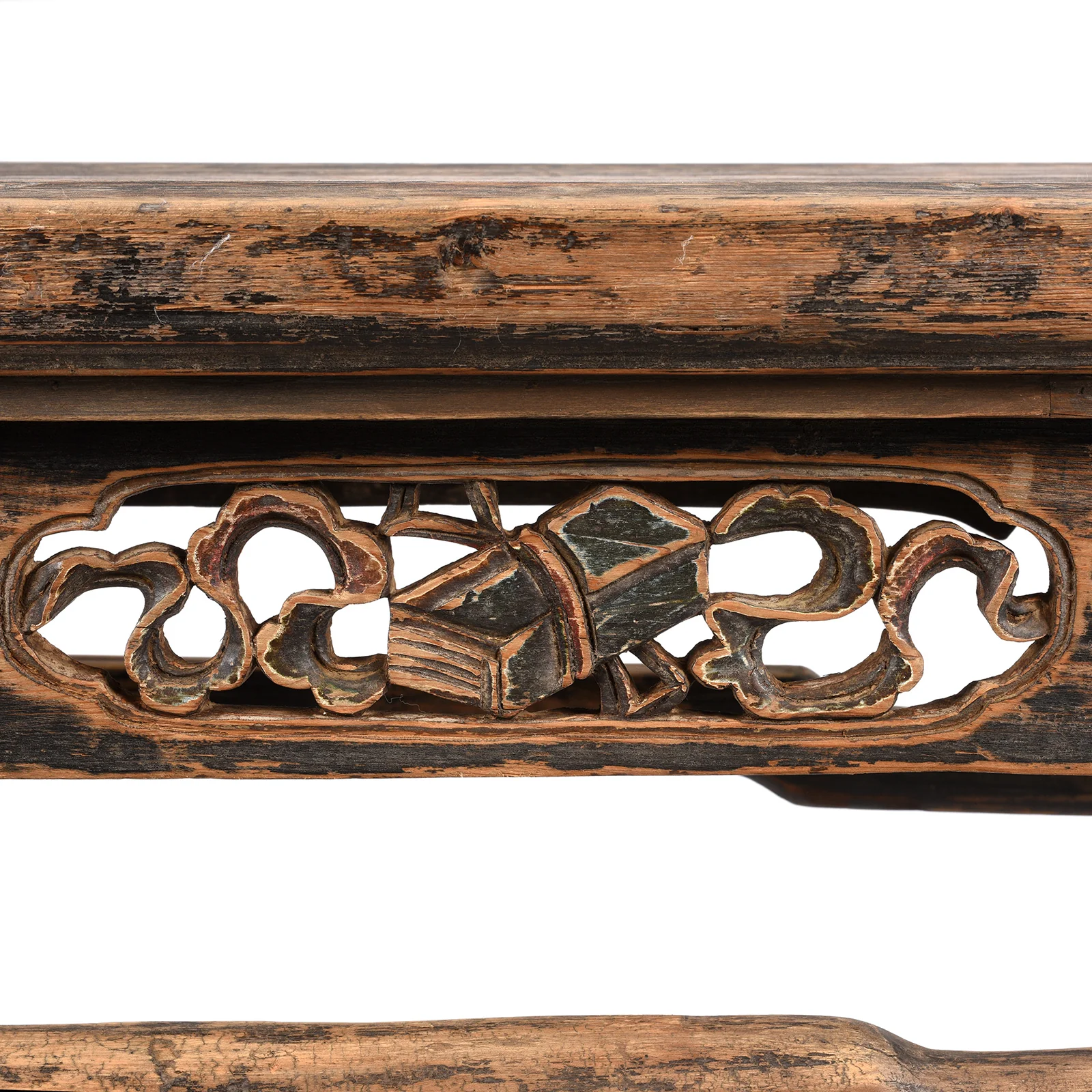
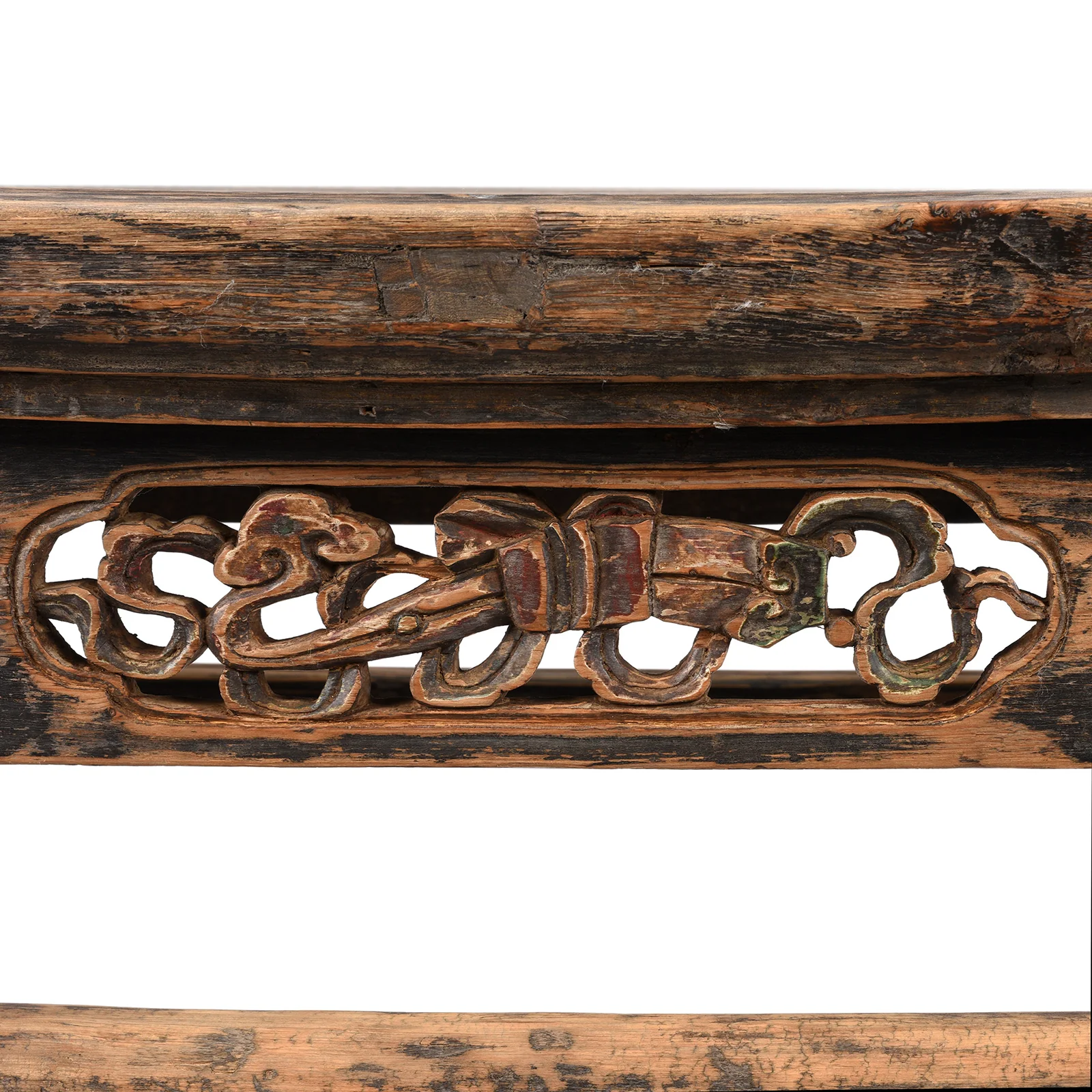
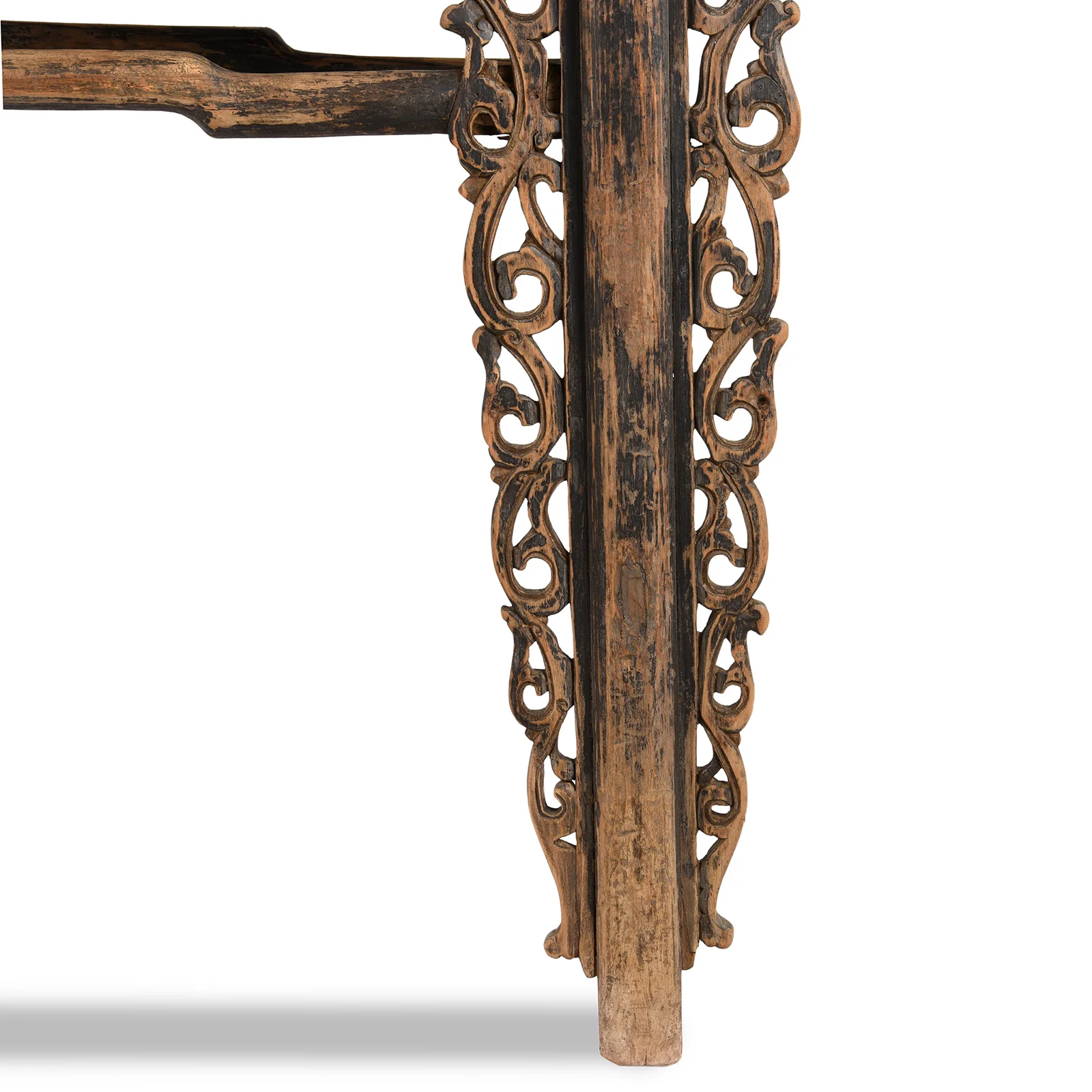
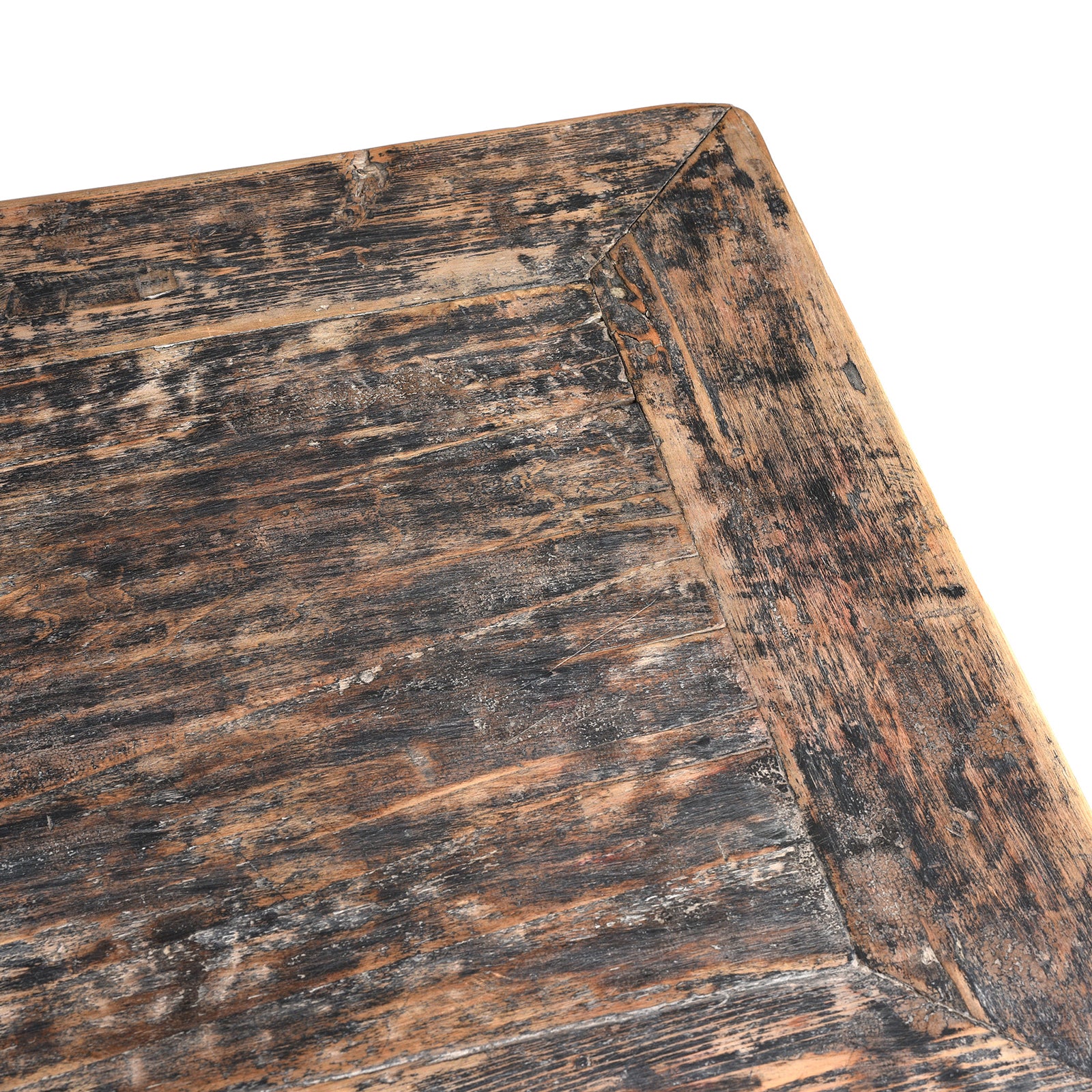
This ornate antique Chinese altar table is from the North West of China - specifically Qinghai or Gansu provinces. Beautiful tables like this would have been used as family altars in the northern regions of Qinhai and Gansu. It dates to the 19th century and is decorated with 'wise objects'; books, scrolls, and a ruyi scepter surrounded by a flowing fluid vine design. The table is constructed from a mix of poplar & pine woods as is common in the region with a layer of worn black paint.
Altar tables were used for ancestor worship in China. Usually, a family ancestor portrait would be hung above the table & joss sticks lit & placed on the table for the well-being of the household. They were always long & narrow in form - a configuration seldom found in antique European furniture.
More Images




Carved Chinese Altar Table From Qinghai - 19th Century
This ornate antique Chinese altar table is from the North West of China - specifically Qinghai or Gansu provinces. Beautiful tables like this would have been used as family altars in the northern regions of Qinhai and Gansu. It dates to the 19th century and is decorated with 'wise objects'; books, scrolls, and a ruyi scepter surrounded by a flowing fluid vine design. The table is constructed from a mix of poplar & pine woods as is common in the region with a layer of worn black paint.
Altar tables were used for ancestor worship in China. Usually, a family ancestor portrait would be hung above the table & joss sticks lit & placed on the table for the well-being of the household. They were always long & narrow in form - a configuration seldom found in antique European furniture.
Product Information
Product Information
Shipping & Returns
Shipping & Returns
Description
This ornate antique Chinese altar table is from the North West of China - specifically Qinghai or Gansu provinces. Beautiful tables like this would have been used as family altars in the northern regions of Qinhai and Gansu. It dates to the 19th century and is decorated with 'wise objects'; books, scrolls, and a ruyi scepter surrounded by a flowing fluid vine design. The table is constructed from a mix of poplar & pine woods as is common in the region with a layer of worn black paint.
Altar tables were used for ancestor worship in China. Usually, a family ancestor portrait would be hung above the table & joss sticks lit & placed on the table for the well-being of the household. They were always long & narrow in form - a configuration seldom found in antique European furniture.