
Kasane Isho Dansu from Sendai - Meiji Period
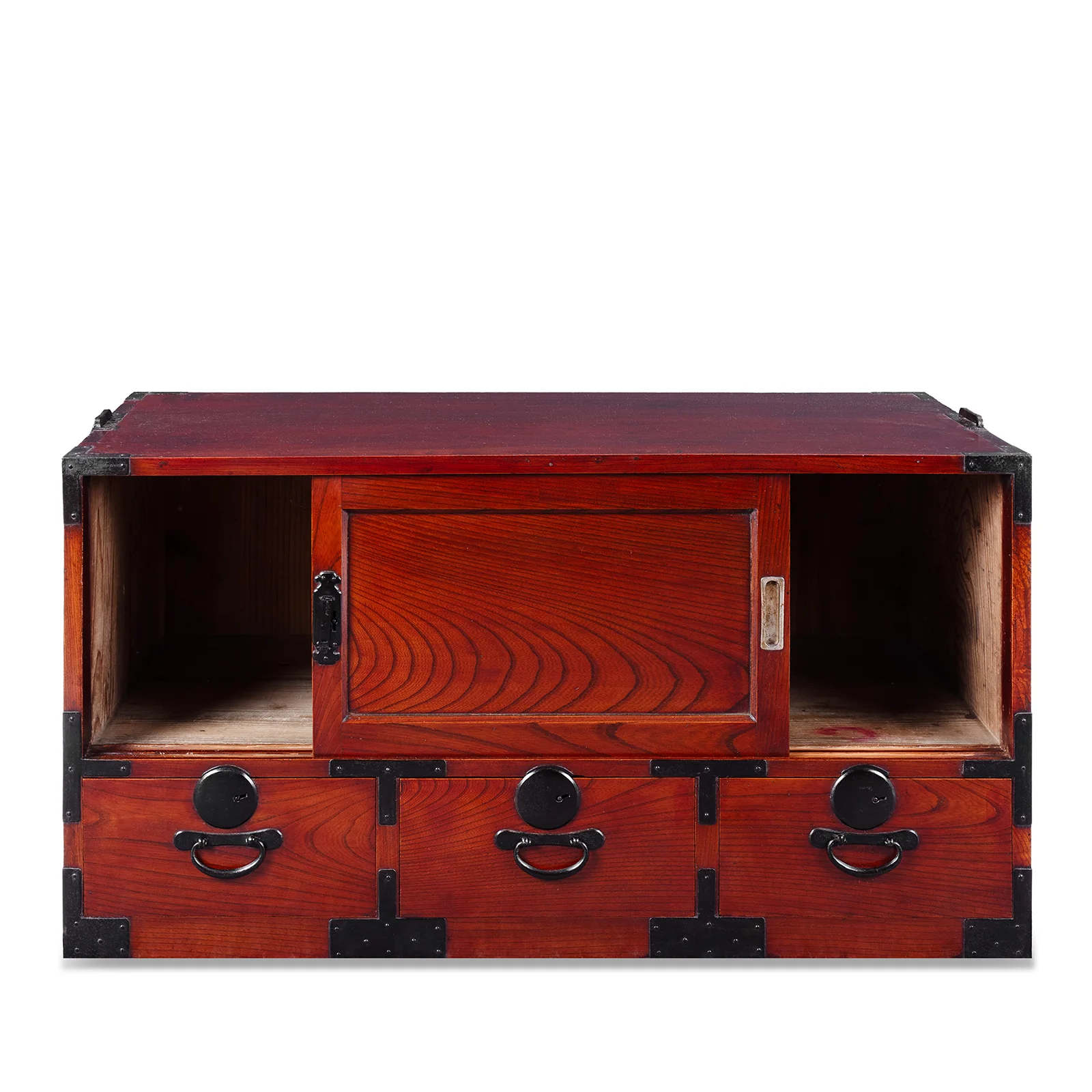
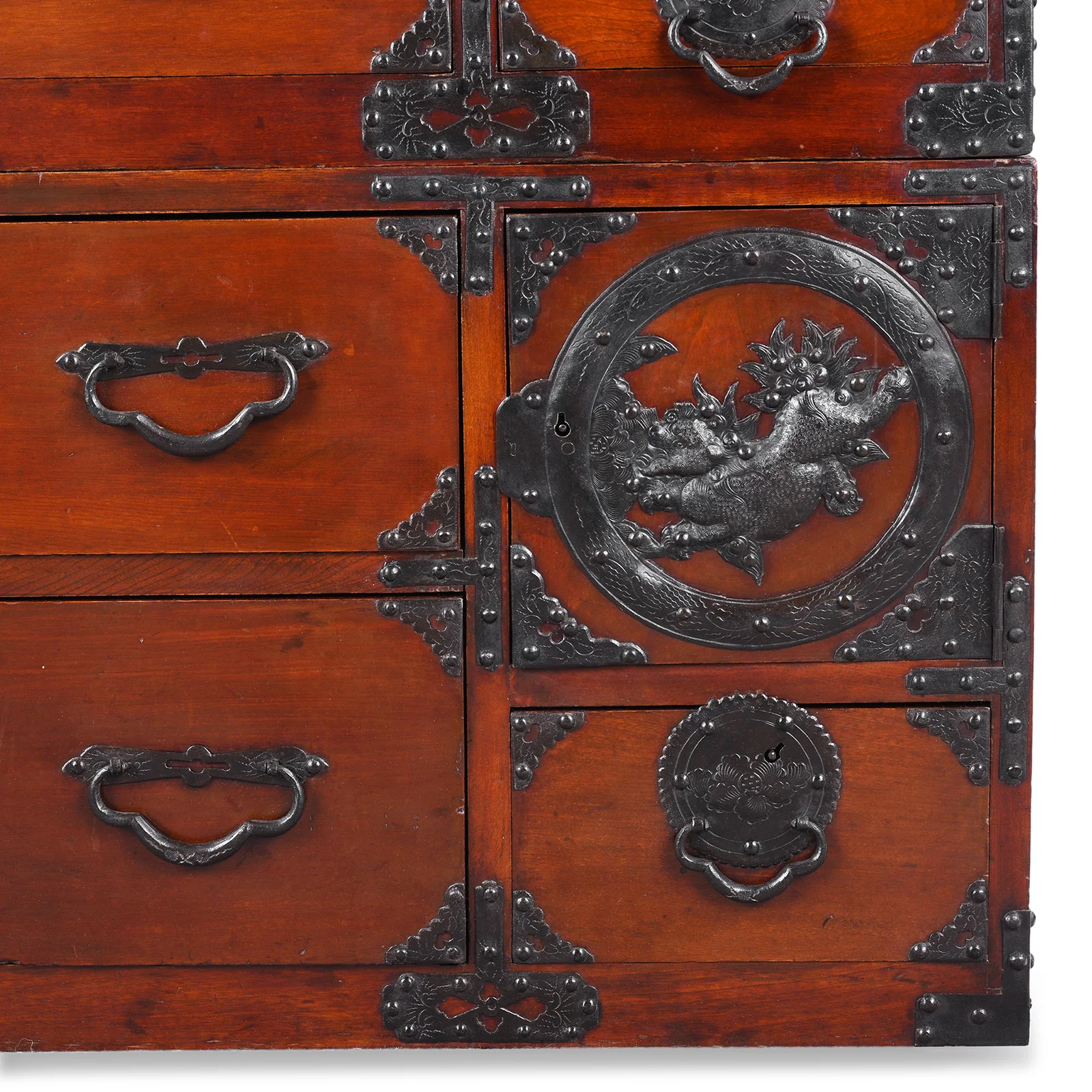
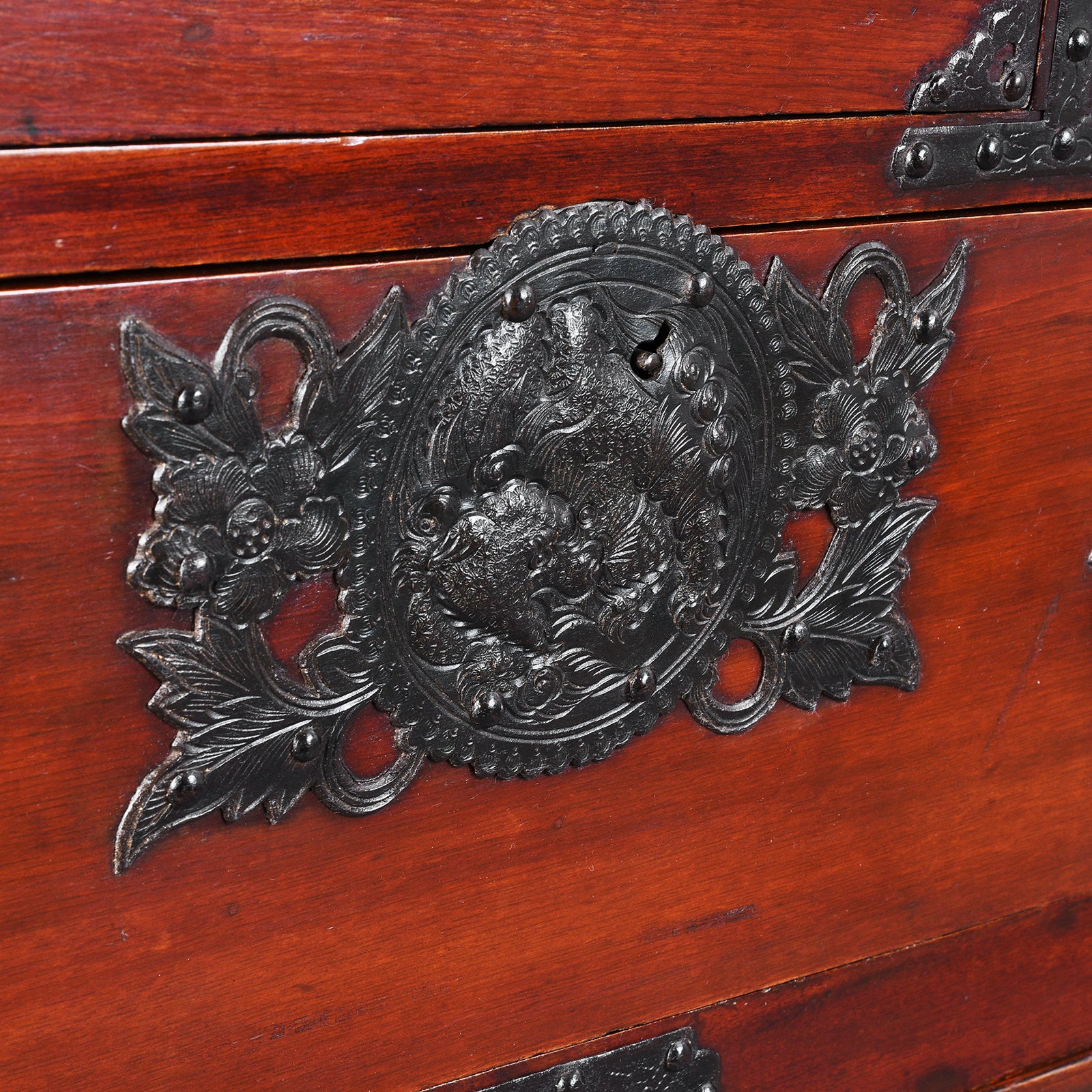
This Meiji period (1868 - 1912) Isho Dansu is from Sendai province and one of the highest quality pieces we've seen. The masterfully crafted ironwork is particular to Sendai province. Sendai metalwork forgoes straight lines and spreads effortlessly. The more extravagant fittings like those on this tansu appeared in the mid Meiji period (1860 - 1910) when the sword carrying ban of 1876 was brought about. Sendai swordsmiths were famed for their high-quality work and turned their hand to tansu metalwork instead. This work depicts snow leopards.
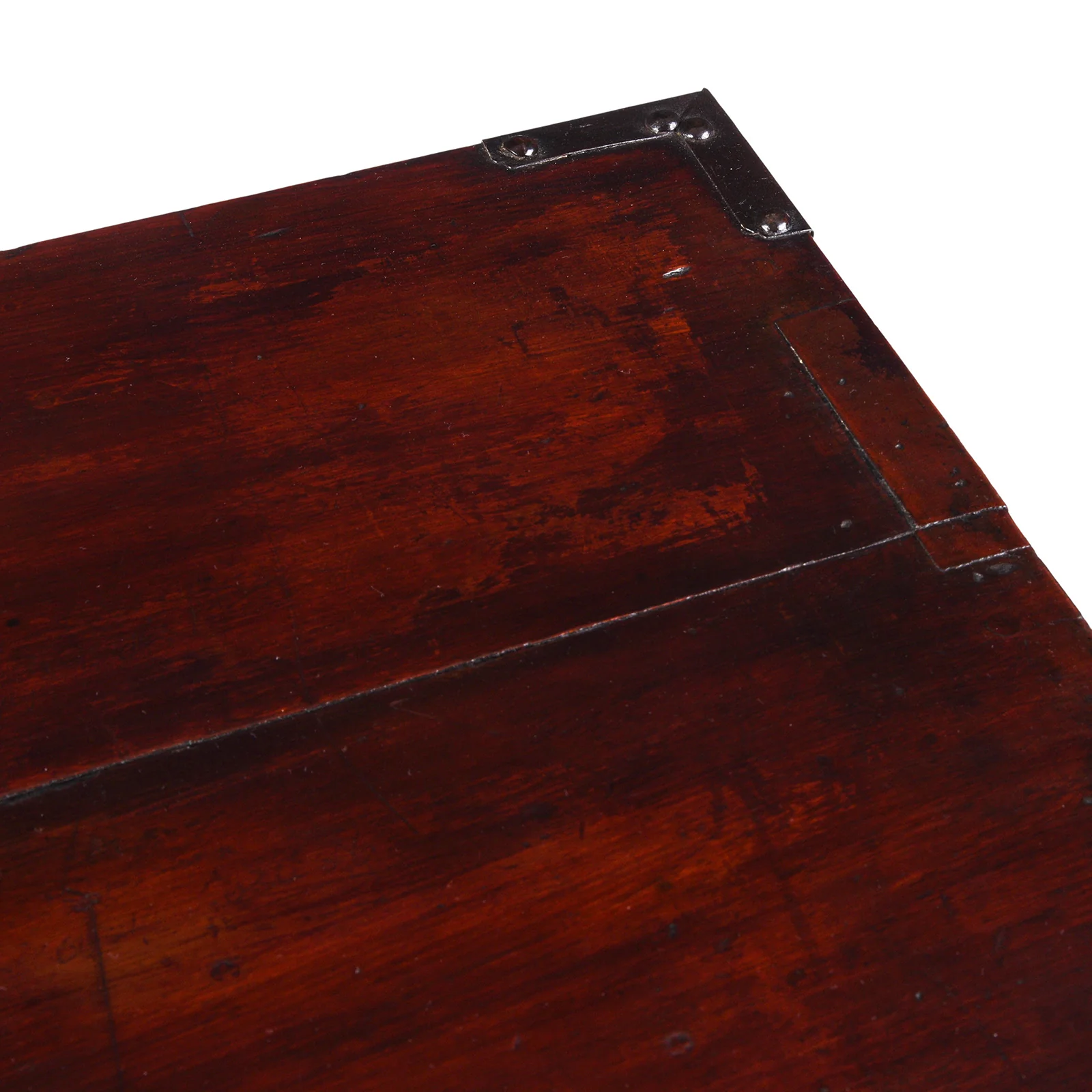
The frame is made from the highest quality keyaki / zelkova (Japanese red elm) wood. This tansu would have been a commission piece and made for exceedingly wealthy individuals. They were used as day-to-day dressing tables and clothes storage. This particualr piece has seven drawers and a storage locker. It is also supplied with a working key.
Many Japanese antiques we find are poorly restored - We painstakingly restore each piece using traditional Japanese techniques to ensure these pieces last and are loved for many more lifetimes to come.
More Images






Kasane Isho Dansu from Sendai - Meiji Period
This Meiji period (1868 - 1912) Isho Dansu is from Sendai province and one of the highest quality pieces we've seen. The masterfully crafted ironwork is particular to Sendai province. Sendai metalwork forgoes straight lines and spreads effortlessly. The more extravagant fittings like those on this tansu appeared in the mid Meiji period (1860 - 1910) when the sword carrying ban of 1876 was brought about. Sendai swordsmiths were famed for their high-quality work and turned their hand to tansu metalwork instead. This work depicts snow leopards.
The frame is made from the highest quality keyaki / zelkova (Japanese red elm) wood. This tansu would have been a commission piece and made for exceedingly wealthy individuals. They were used as day-to-day dressing tables and clothes storage. This particualr piece has seven drawers and a storage locker. It is also supplied with a working key.
Many Japanese antiques we find are poorly restored - We painstakingly restore each piece using traditional Japanese techniques to ensure these pieces last and are loved for many more lifetimes to come.
Product Information
Product Information
Shipping & Returns
Shipping & Returns
Description
This Meiji period (1868 - 1912) Isho Dansu is from Sendai province and one of the highest quality pieces we've seen. The masterfully crafted ironwork is particular to Sendai province. Sendai metalwork forgoes straight lines and spreads effortlessly. The more extravagant fittings like those on this tansu appeared in the mid Meiji period (1860 - 1910) when the sword carrying ban of 1876 was brought about. Sendai swordsmiths were famed for their high-quality work and turned their hand to tansu metalwork instead. This work depicts snow leopards.
The frame is made from the highest quality keyaki / zelkova (Japanese red elm) wood. This tansu would have been a commission piece and made for exceedingly wealthy individuals. They were used as day-to-day dressing tables and clothes storage. This particualr piece has seven drawers and a storage locker. It is also supplied with a working key.
Many Japanese antiques we find are poorly restored - We painstakingly restore each piece using traditional Japanese techniques to ensure these pieces last and are loved for many more lifetimes to come.