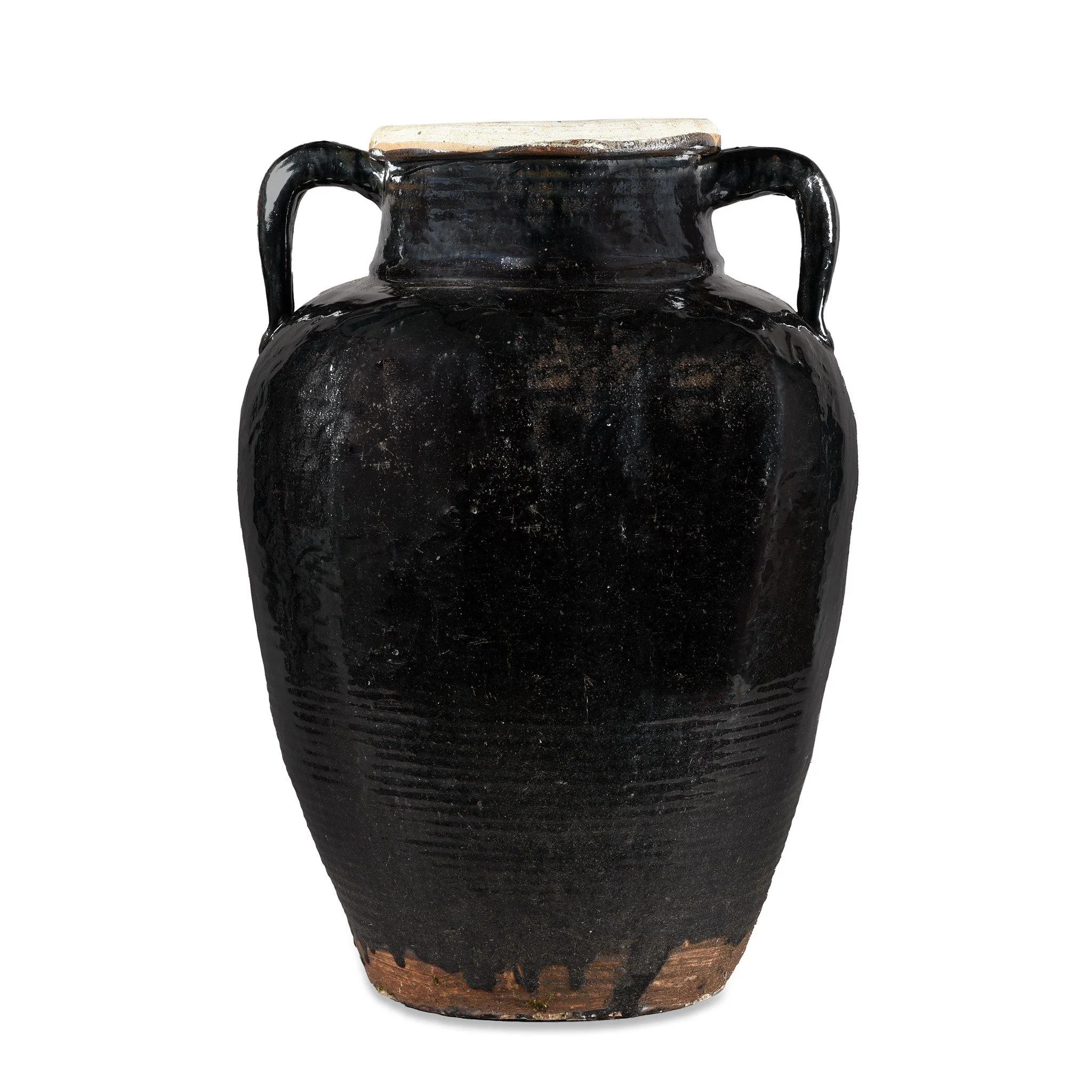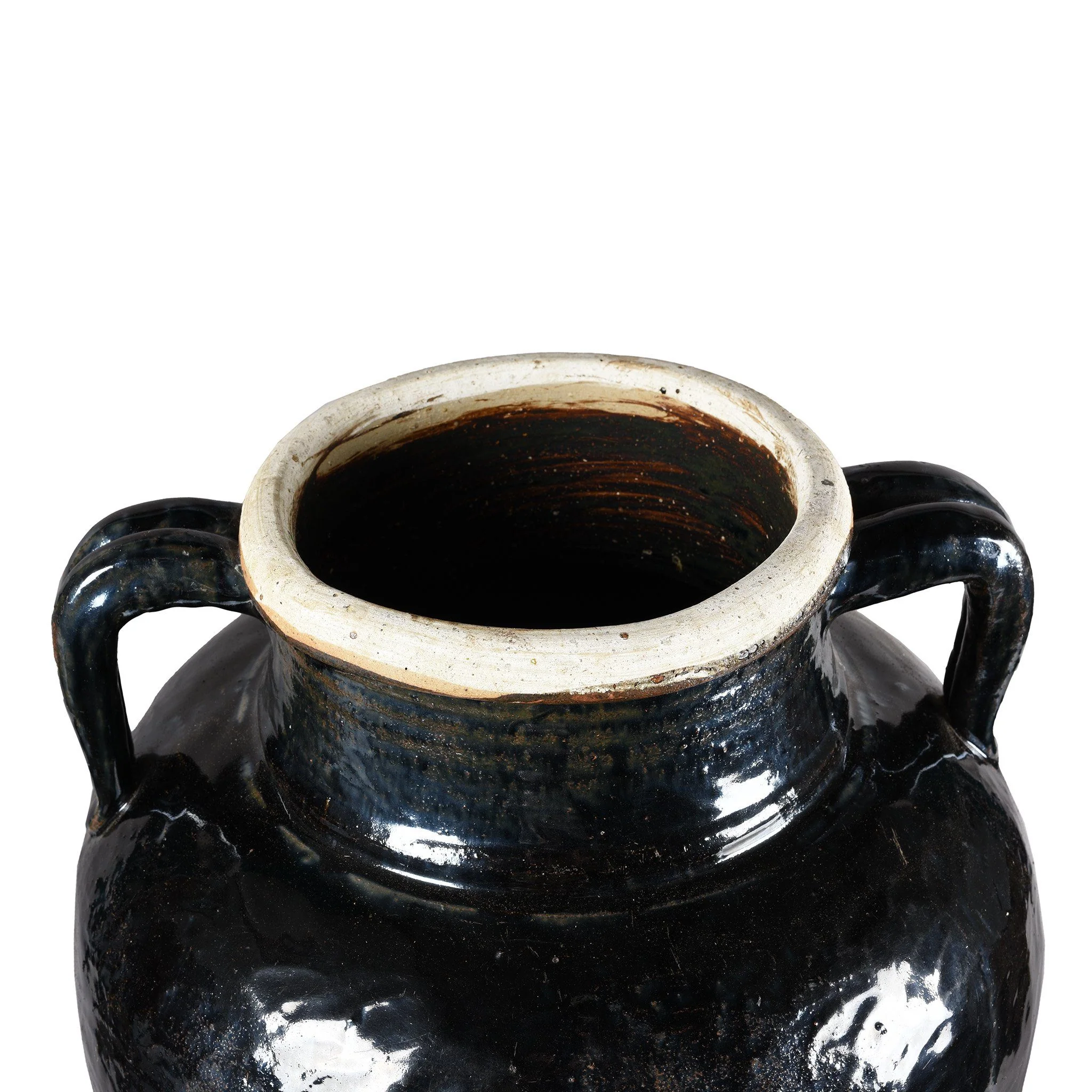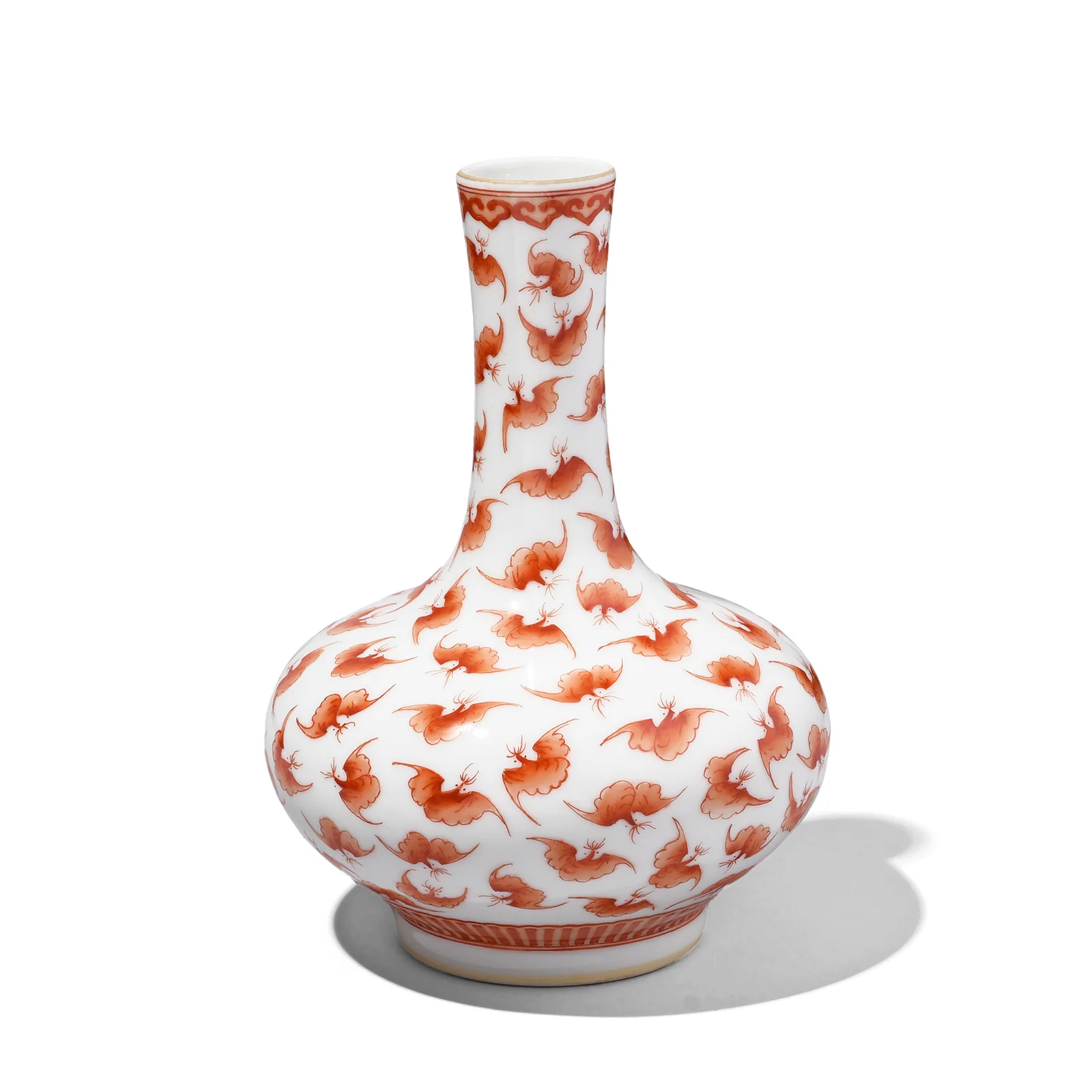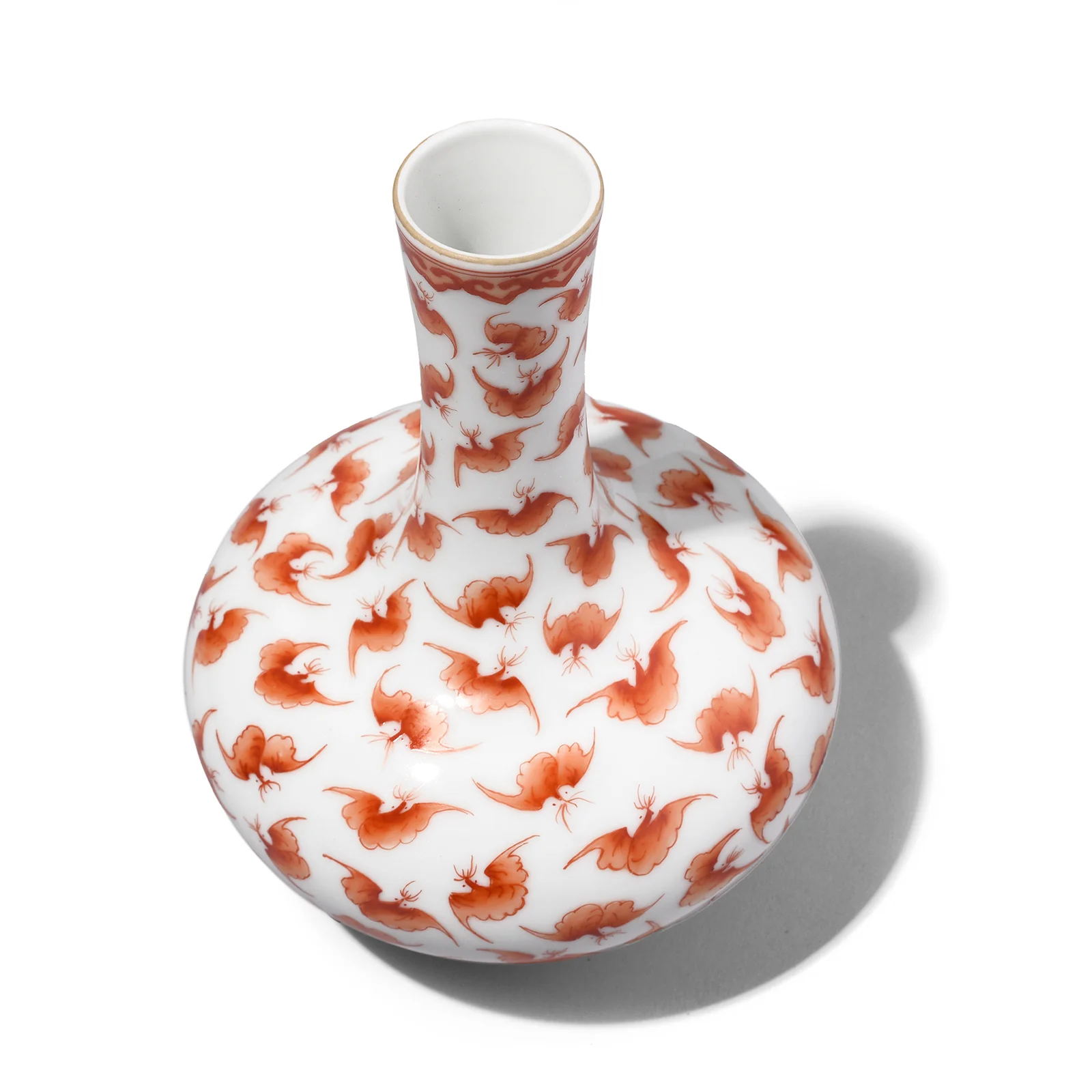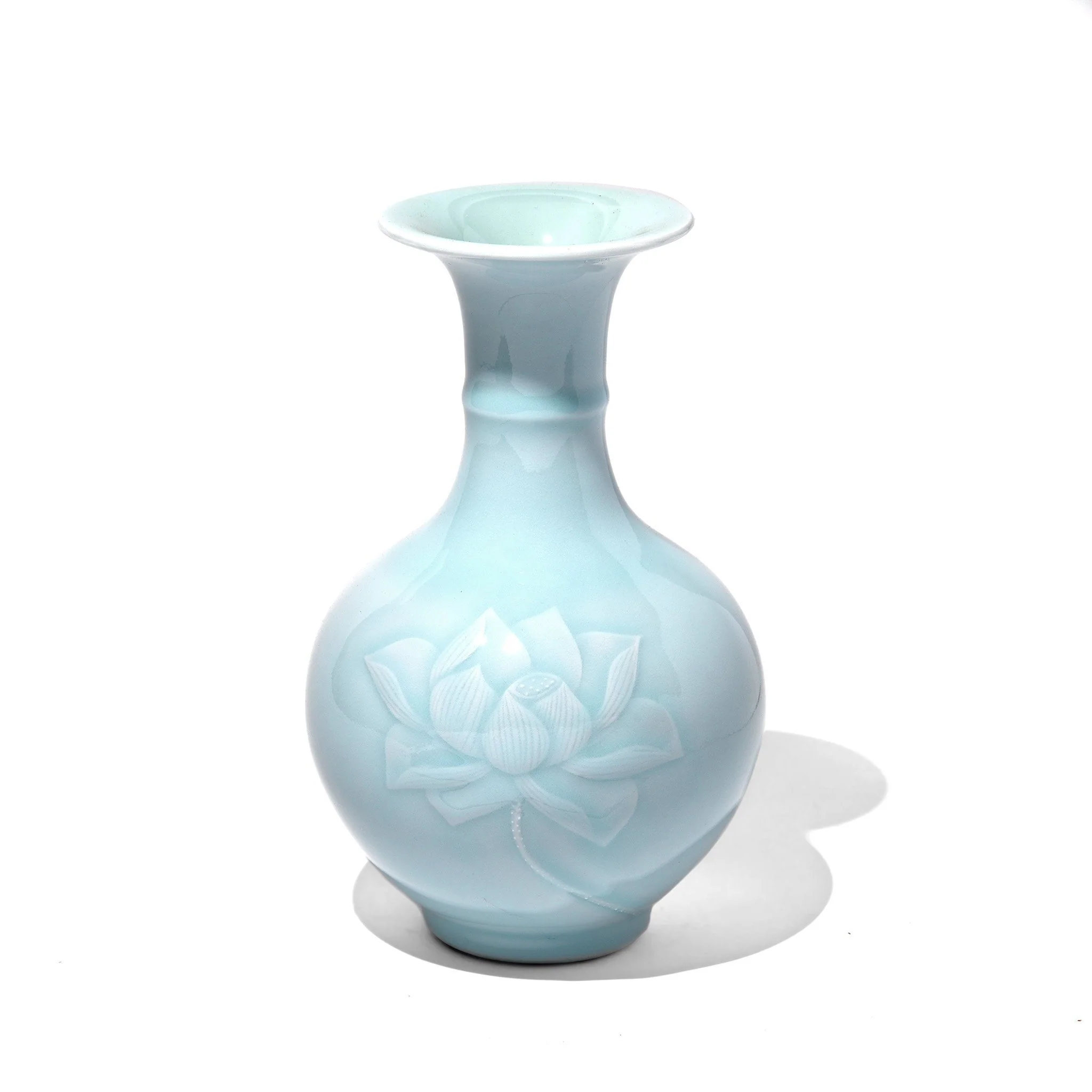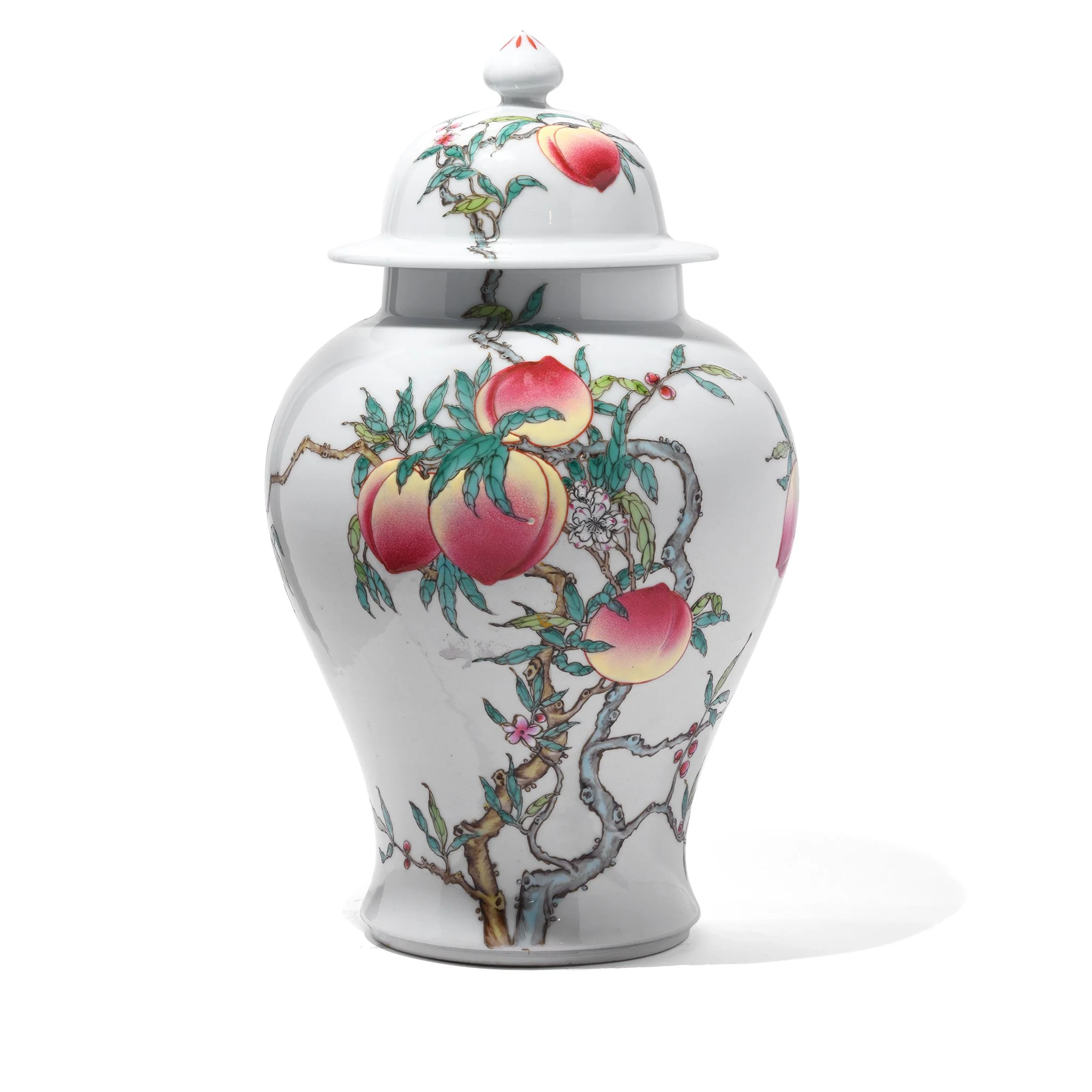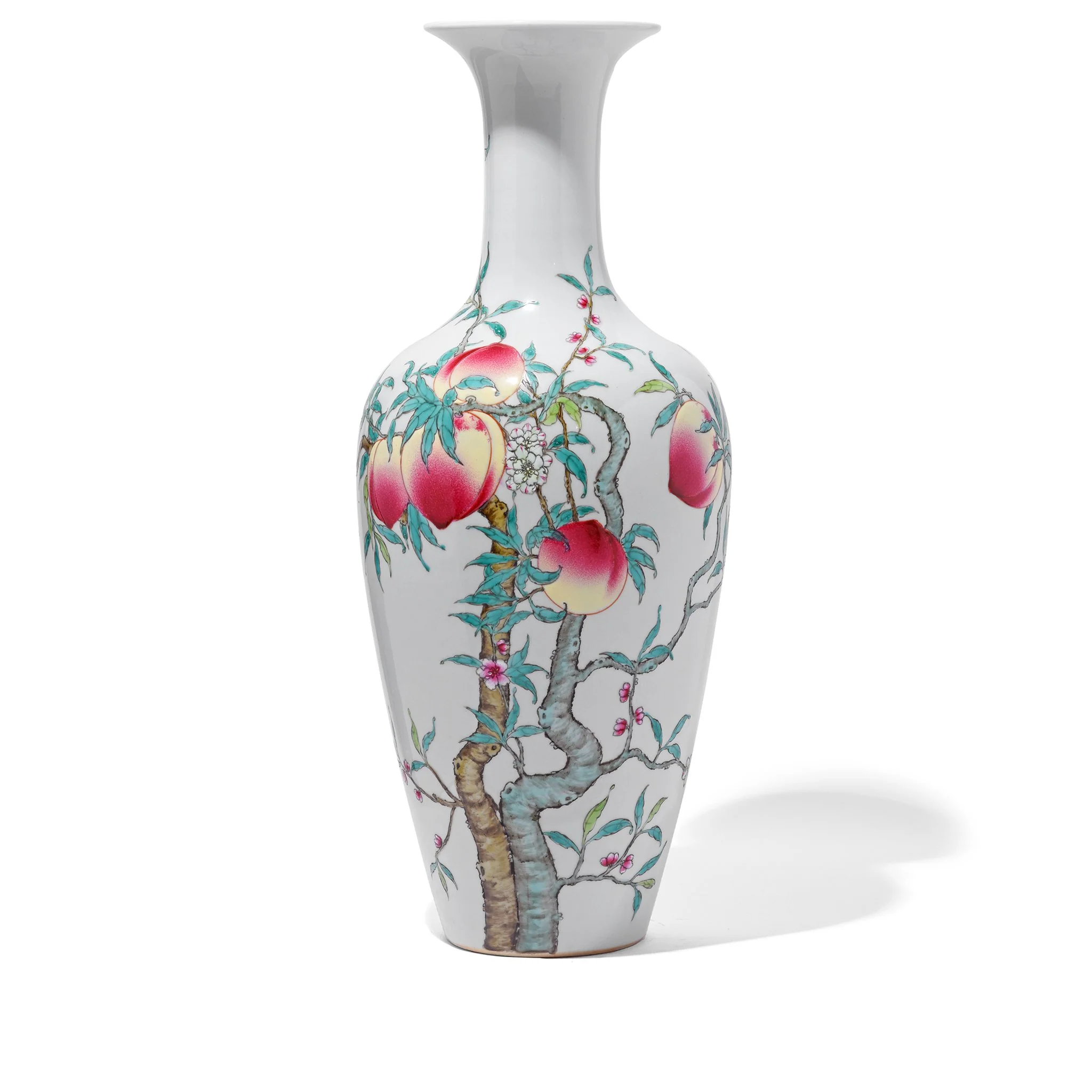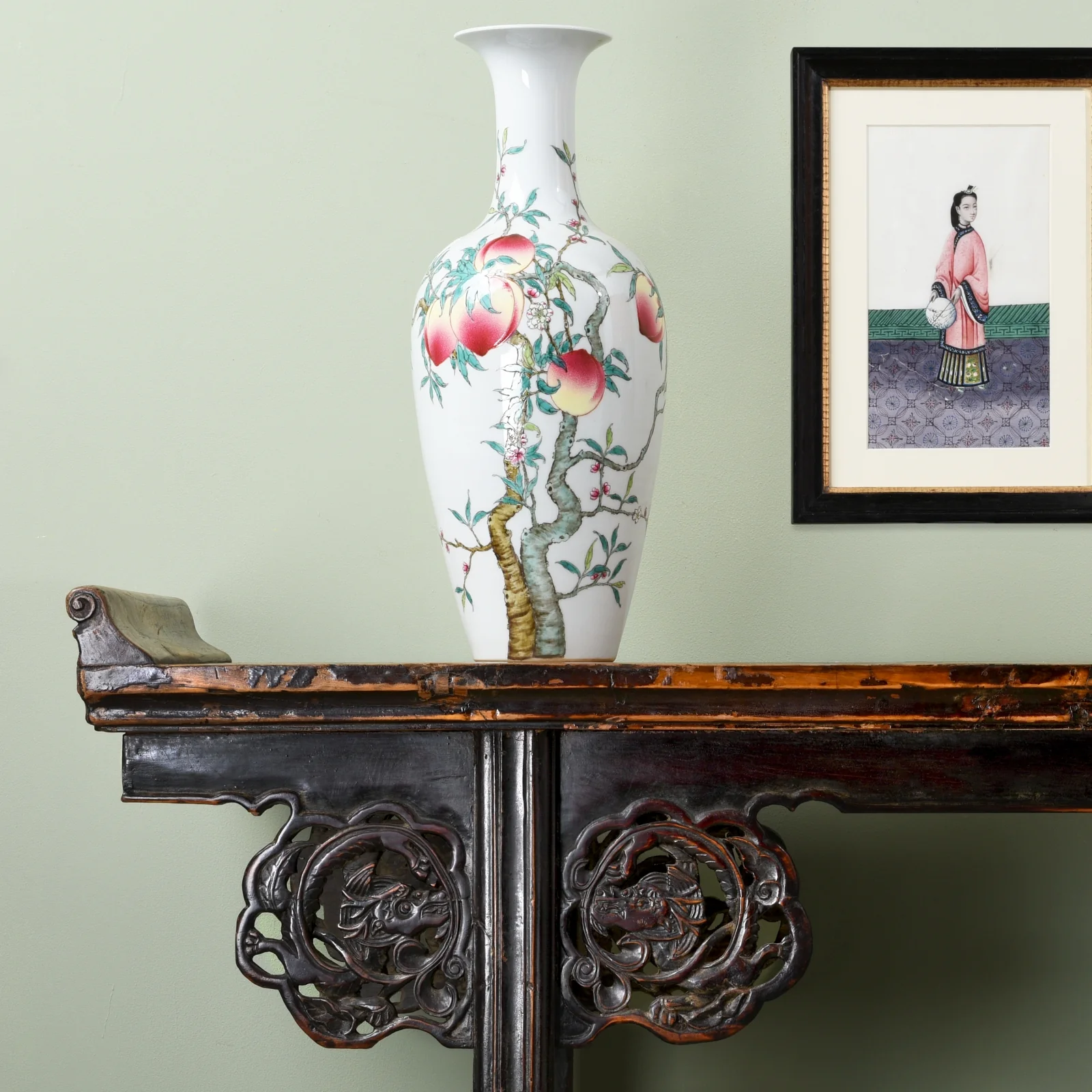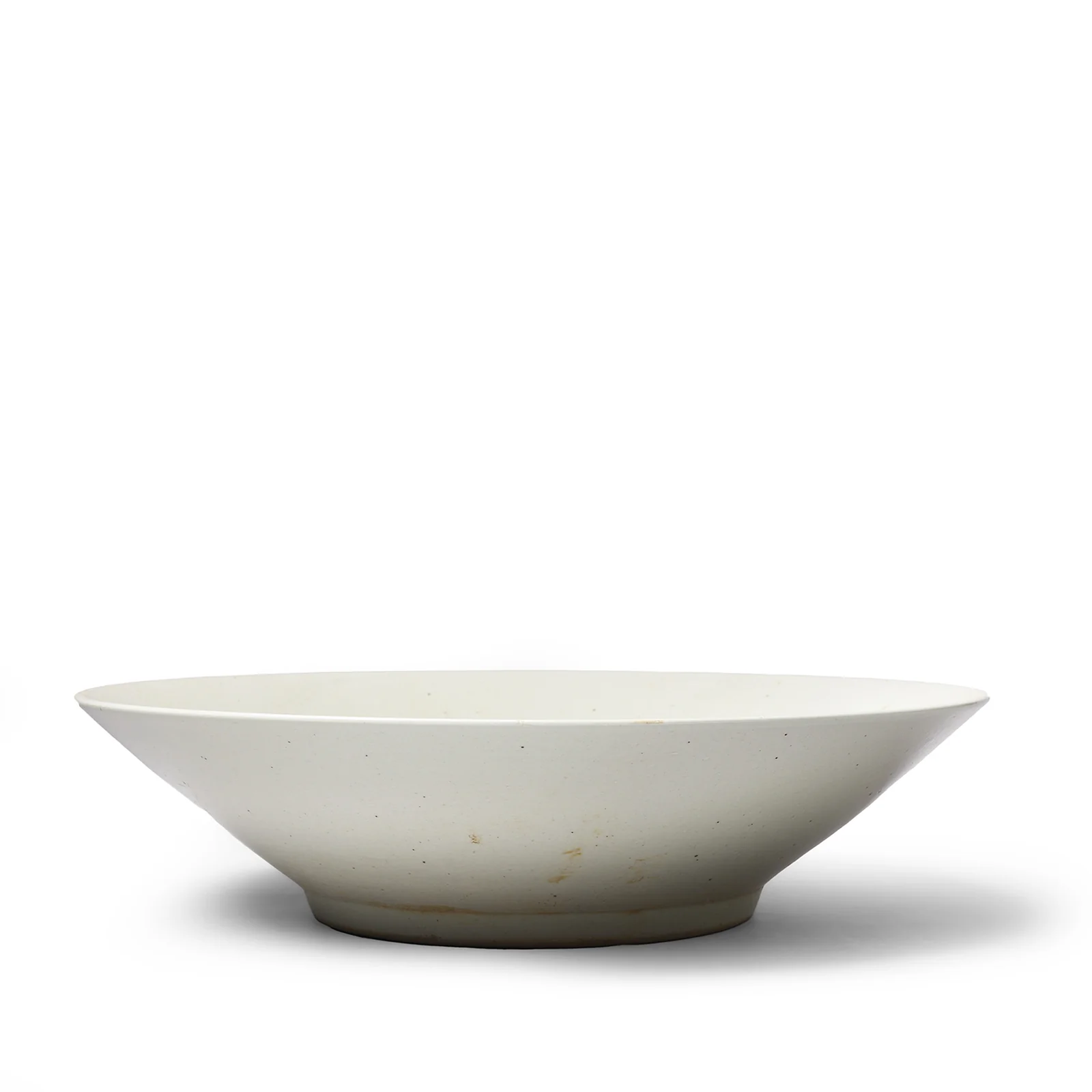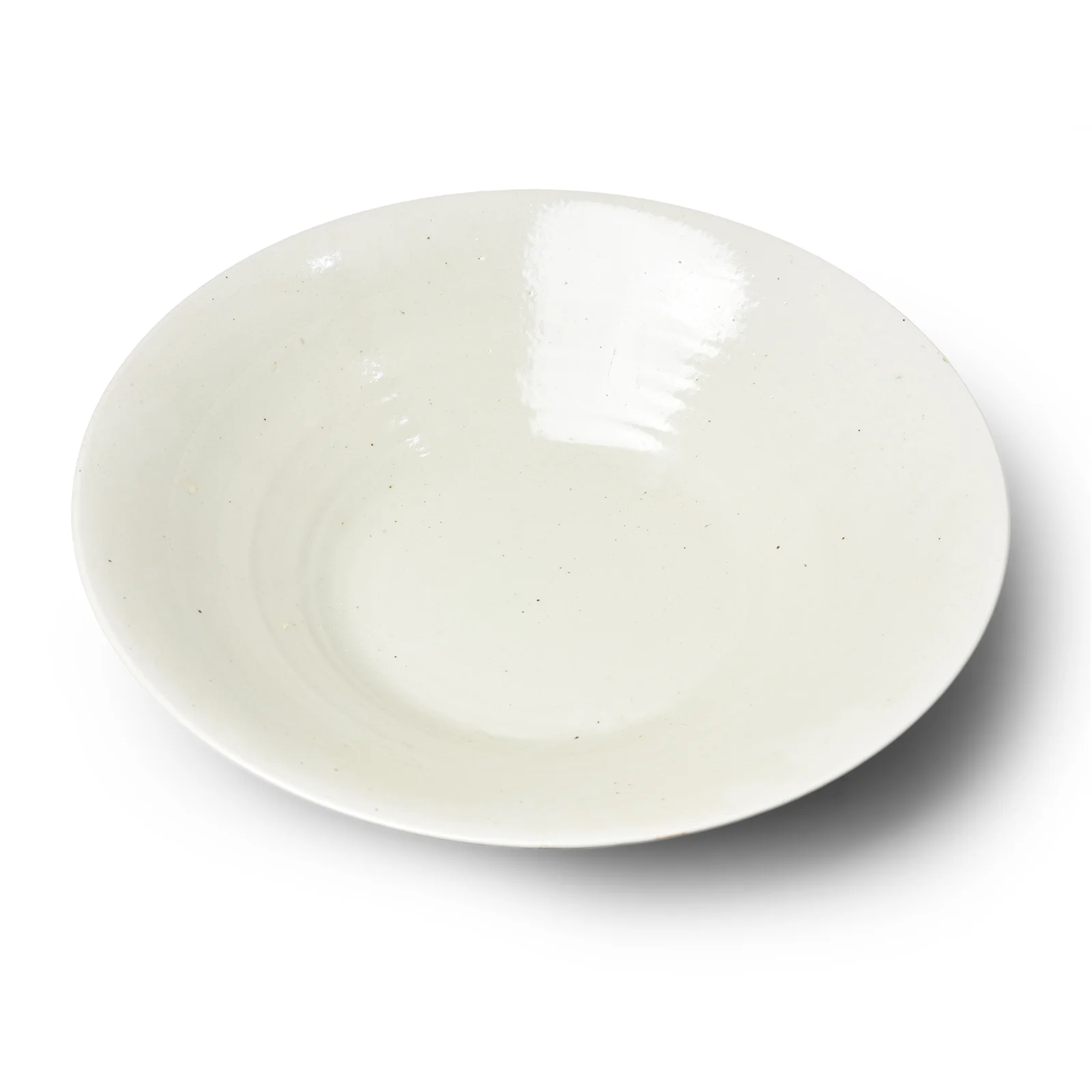
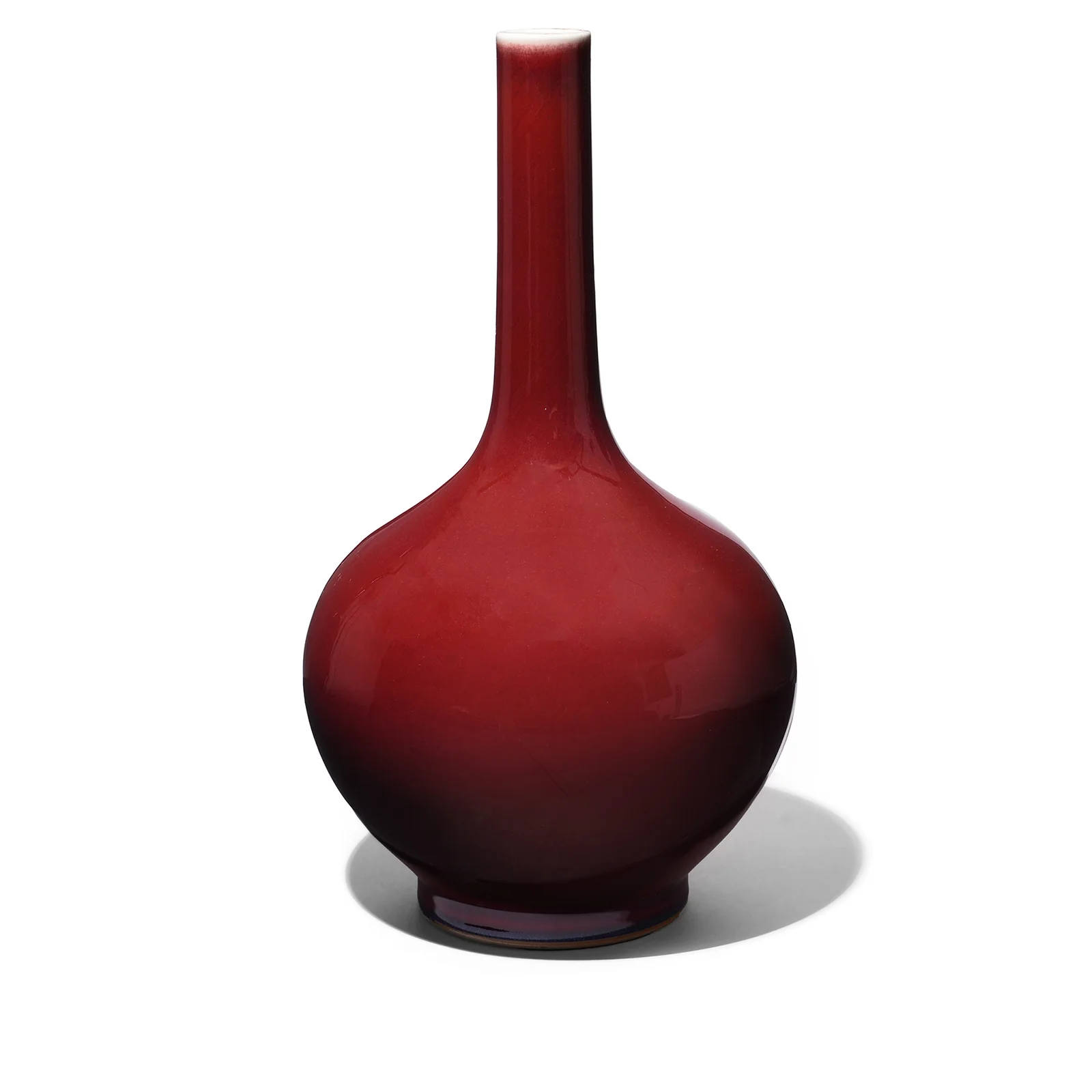
Sang De Boeuf Glaze Porcelain Slender Neck Vase
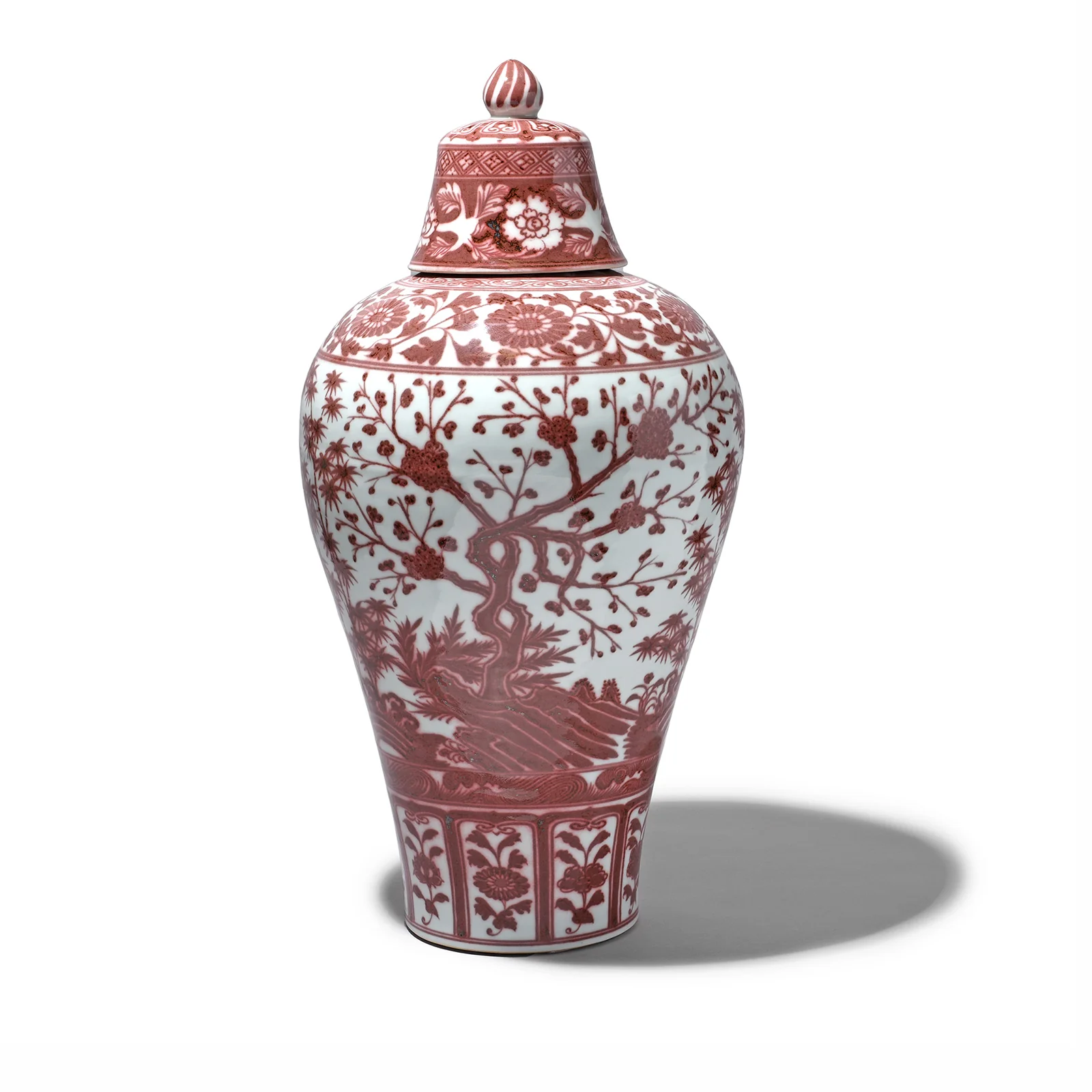
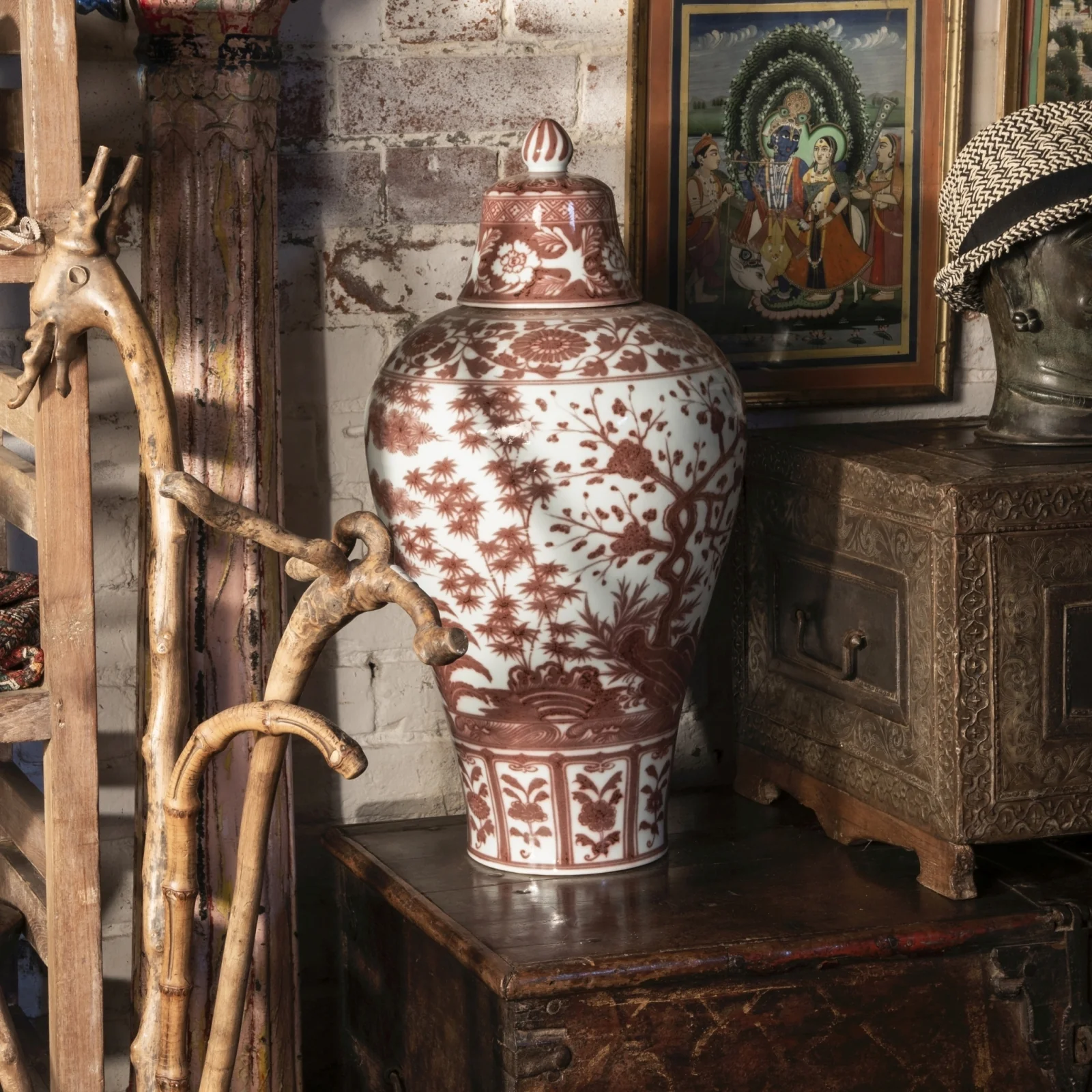
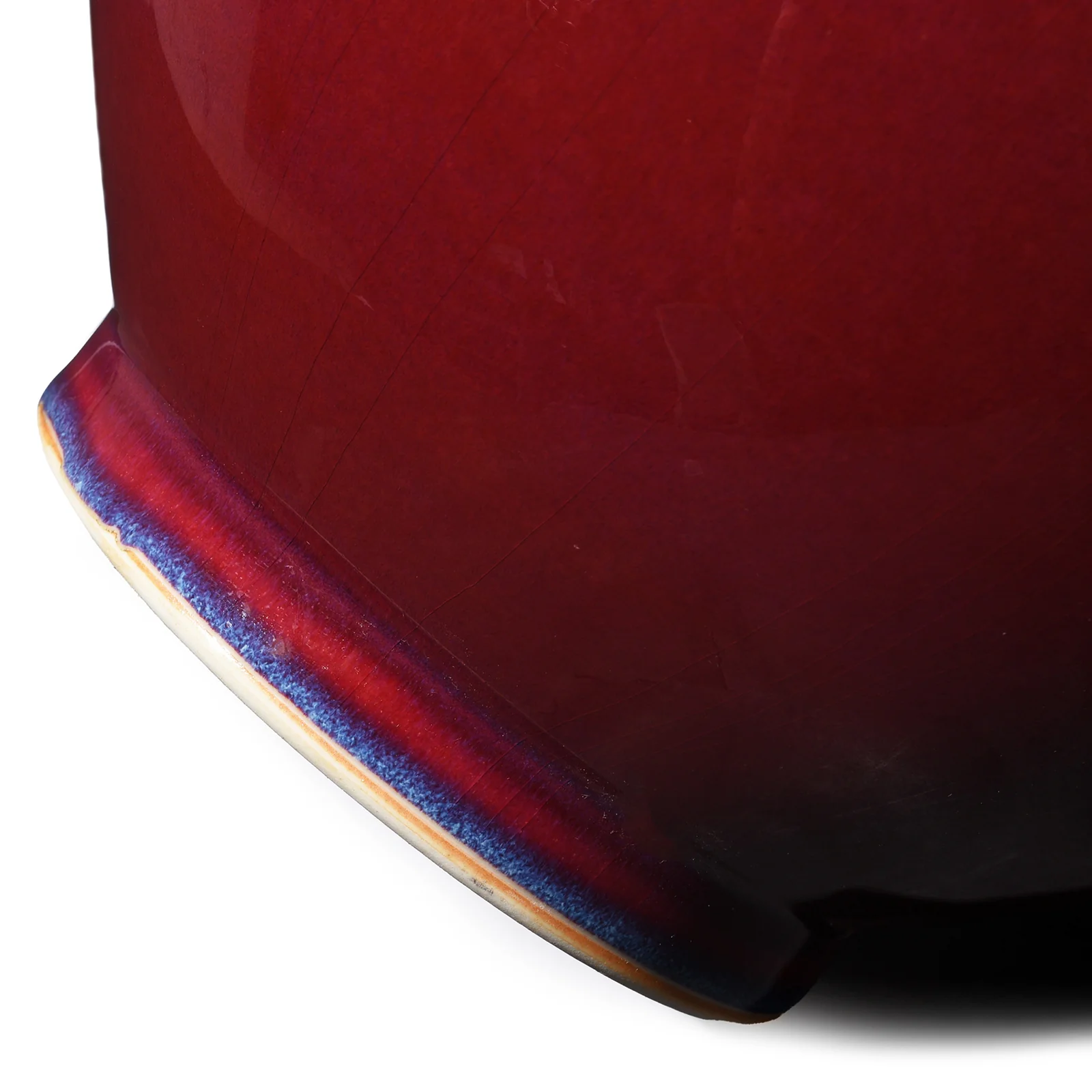
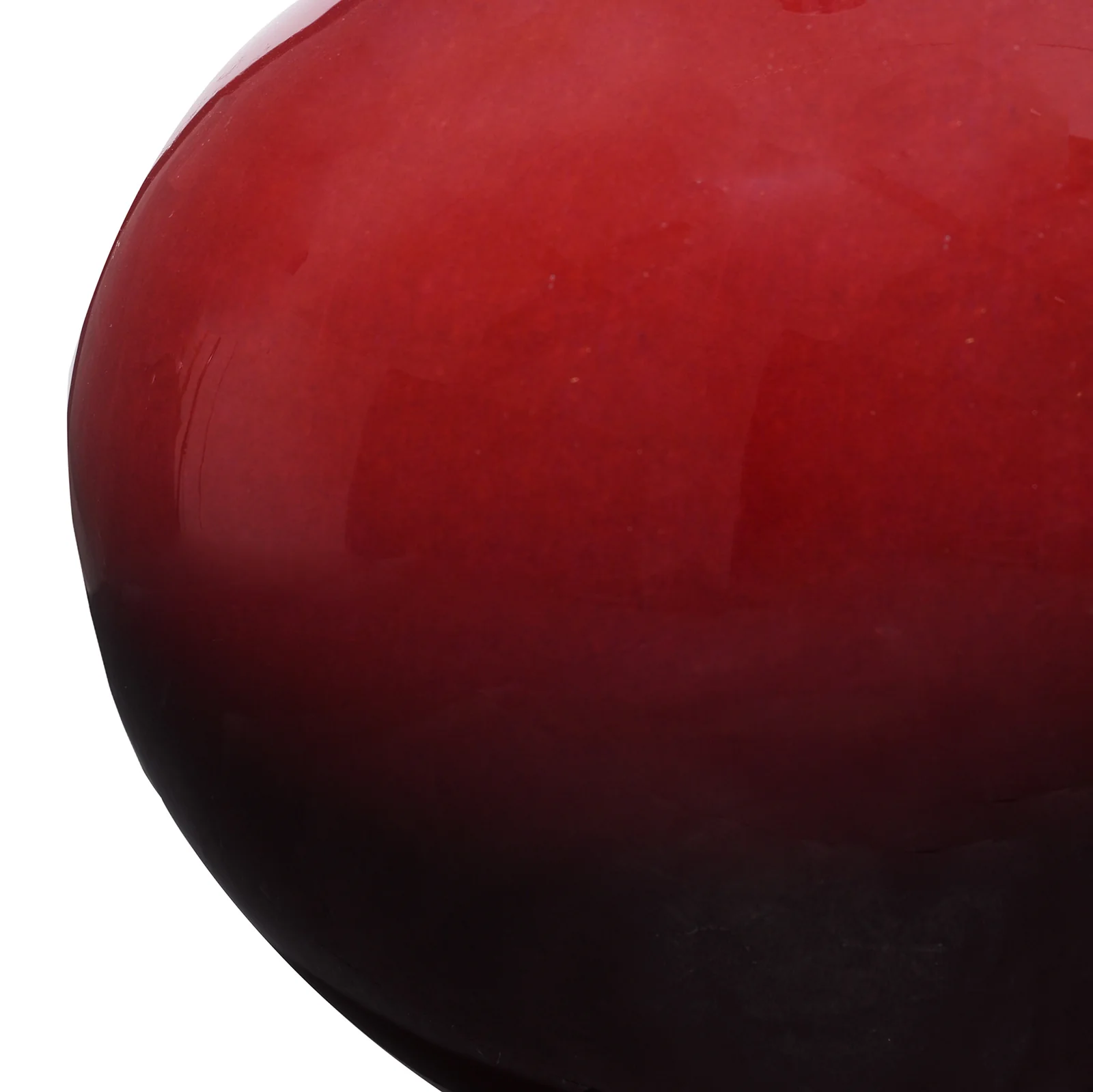
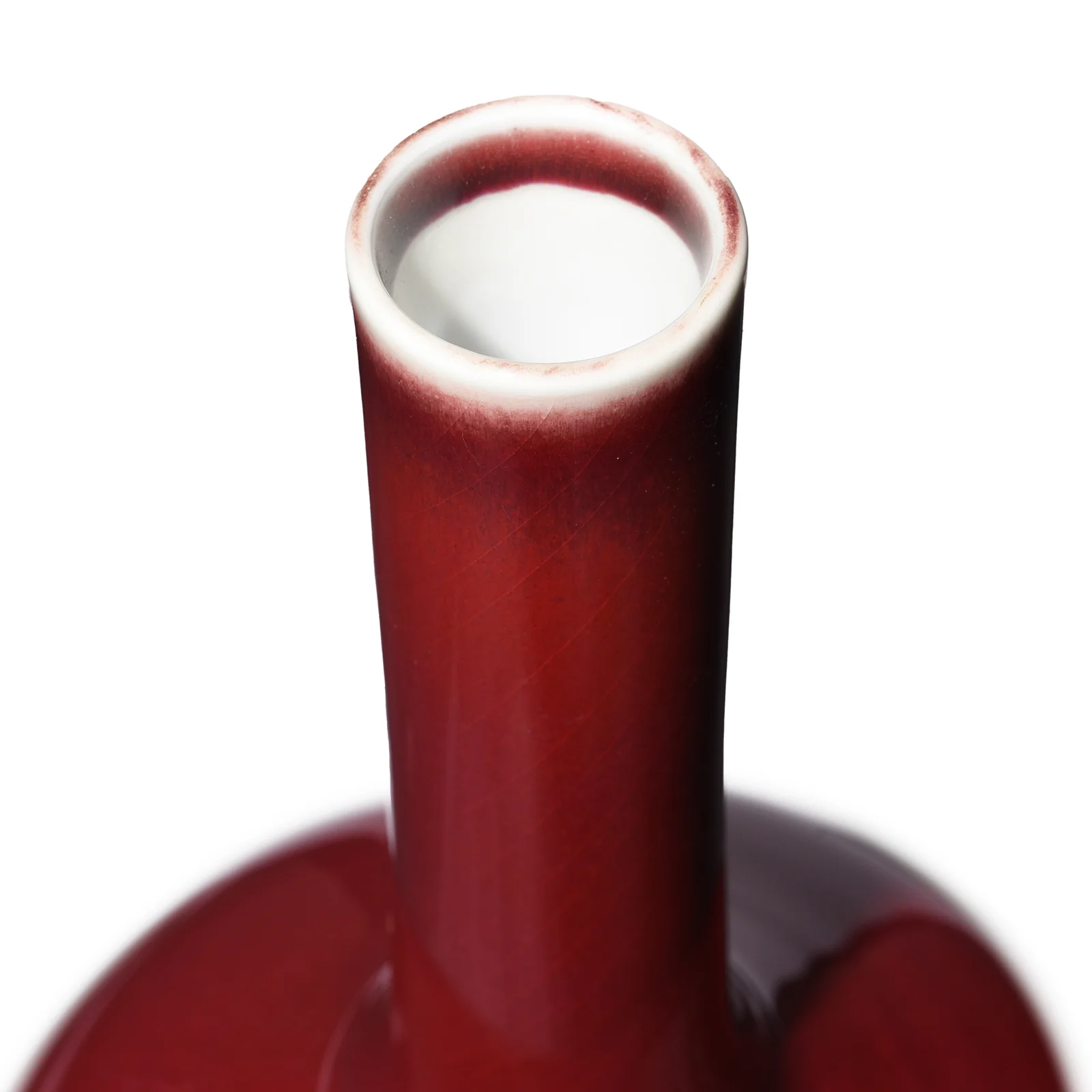
An exquisite sang de boeuf or 'ox blood' porcelain slender neck vase. Sang de boeuf refers to the colour which translates to French for 'ox blood', a colour created by oxidising iron & copper.
Sang de boeuf was one of a number of new flambé glazes, marked by unpredictable but highly decorative and varying effects. Developed in the Jingdezhen porcelain kilns during the Kangxi reign (1662-1722).
Red flambe was first developed in the 11th century and was created by mixing iron & copper. Flambe glazes were notoriously difficult and unpredictable to work with but highly decorative with varying effects. Developed in the Jingdezhen porcelain kilns during the Kangxi reign (1662-1722).
From China
UK Delivery Charge - except Highlands & Islands £15
More delivery options available at checkout
Original: $286.63
-65%$286.63
$100.32More Images

Sang De Boeuf Glaze Porcelain Slender Neck Vase
An exquisite sang de boeuf or 'ox blood' porcelain slender neck vase. Sang de boeuf refers to the colour which translates to French for 'ox blood', a colour created by oxidising iron & copper.
Sang de boeuf was one of a number of new flambé glazes, marked by unpredictable but highly decorative and varying effects. Developed in the Jingdezhen porcelain kilns during the Kangxi reign (1662-1722).
Red flambe was first developed in the 11th century and was created by mixing iron & copper. Flambe glazes were notoriously difficult and unpredictable to work with but highly decorative with varying effects. Developed in the Jingdezhen porcelain kilns during the Kangxi reign (1662-1722).
From China
UK Delivery Charge - except Highlands & Islands £15
More delivery options available at checkout
Product Information
Product Information
Shipping & Returns
Shipping & Returns
Description
An exquisite sang de boeuf or 'ox blood' porcelain slender neck vase. Sang de boeuf refers to the colour which translates to French for 'ox blood', a colour created by oxidising iron & copper.
Sang de boeuf was one of a number of new flambé glazes, marked by unpredictable but highly decorative and varying effects. Developed in the Jingdezhen porcelain kilns during the Kangxi reign (1662-1722).
Red flambe was first developed in the 11th century and was created by mixing iron & copper. Flambe glazes were notoriously difficult and unpredictable to work with but highly decorative with varying effects. Developed in the Jingdezhen porcelain kilns during the Kangxi reign (1662-1722).
From China
UK Delivery Charge - except Highlands & Islands £15
More delivery options available at checkout