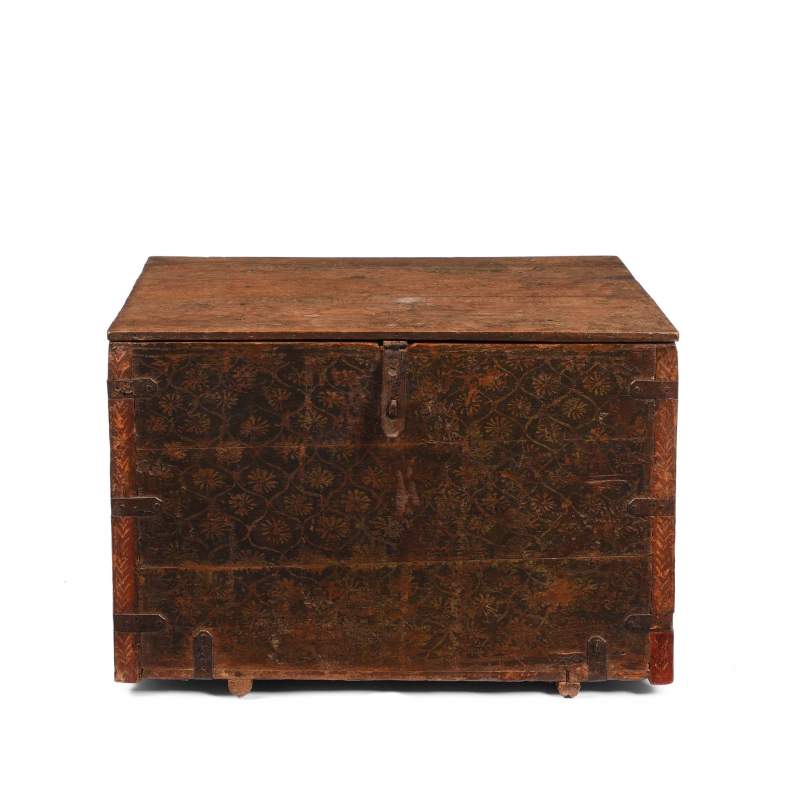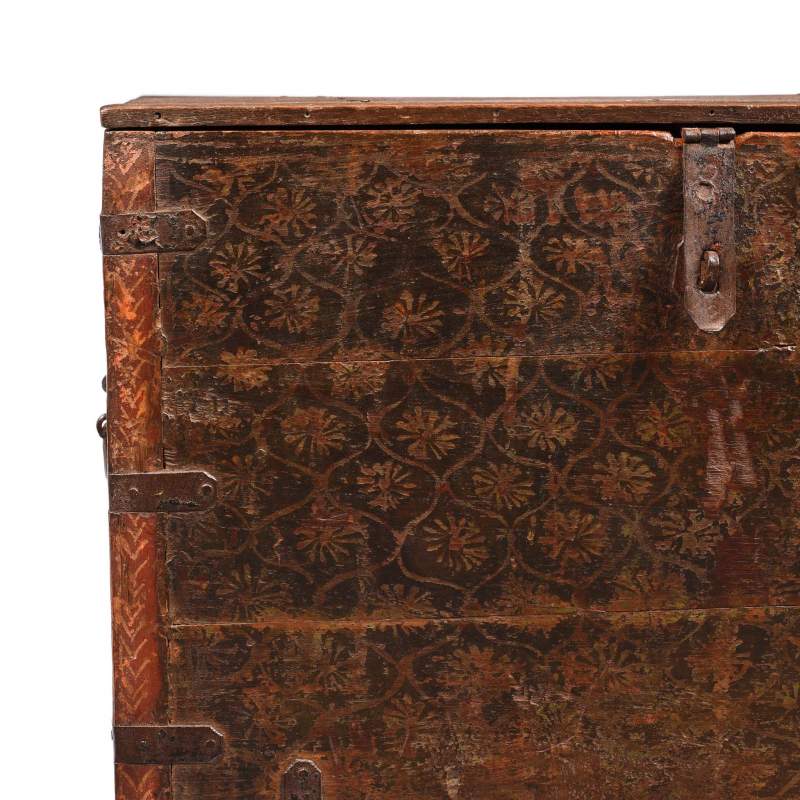
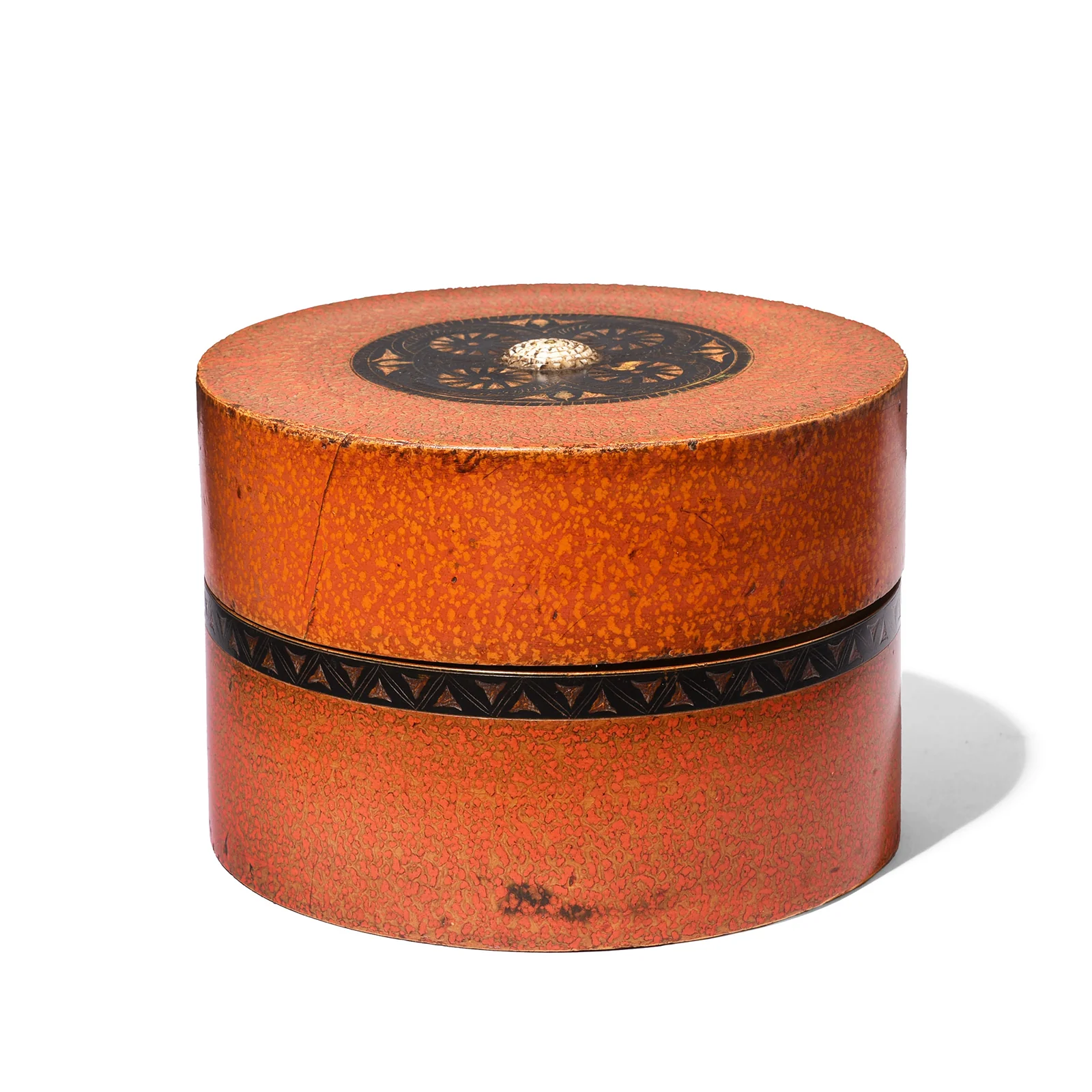
Spotted Lacquer Pot From Barmer - 19th Century
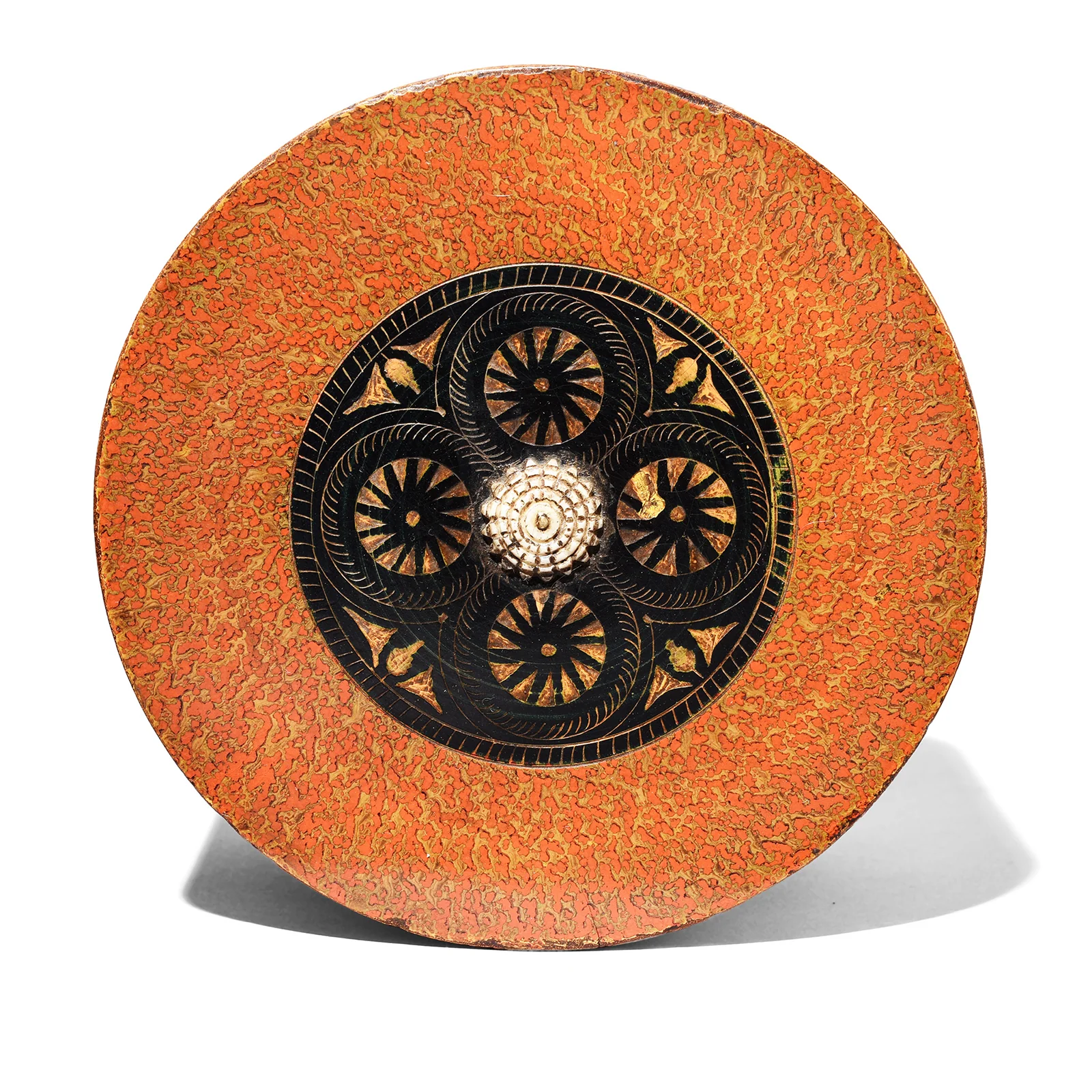
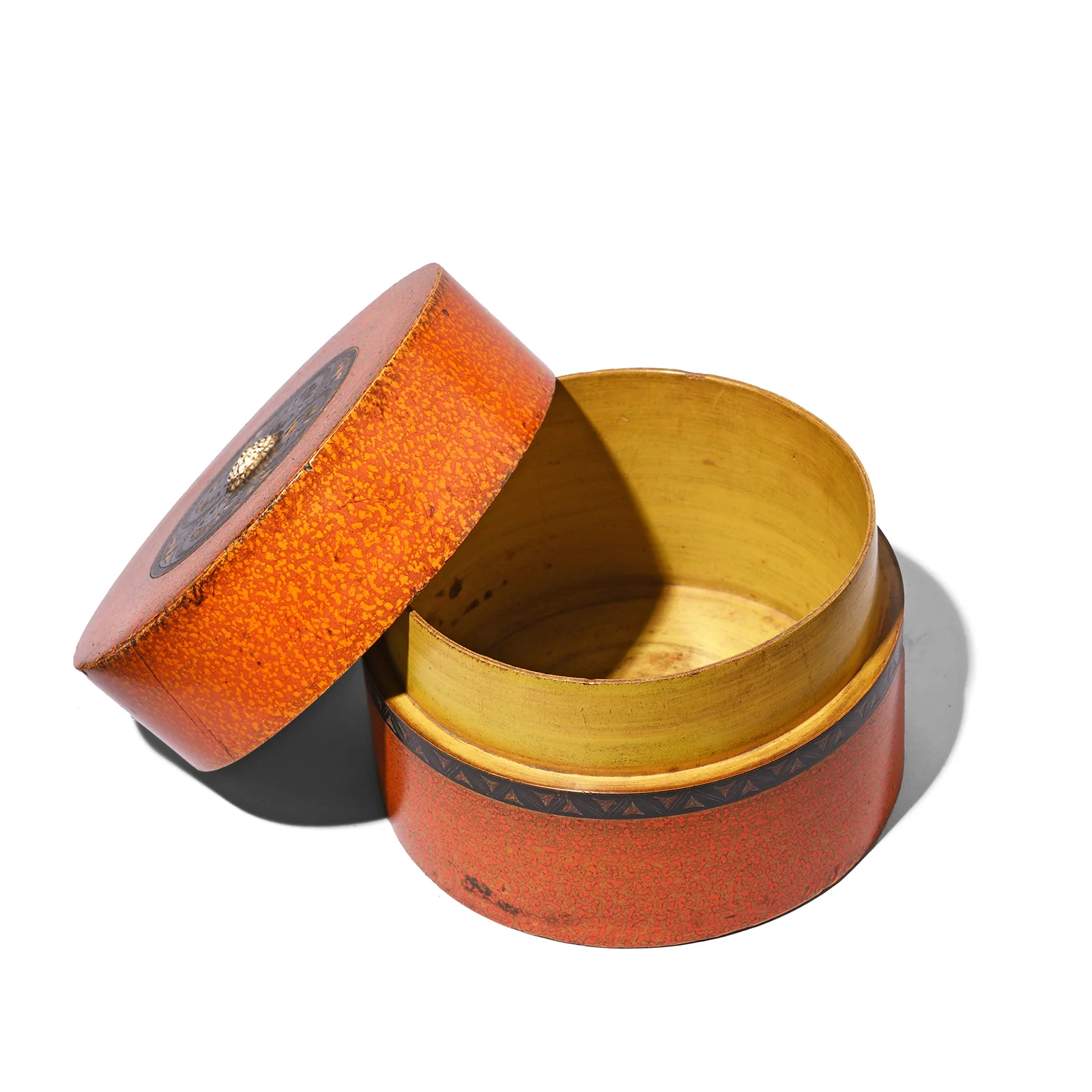
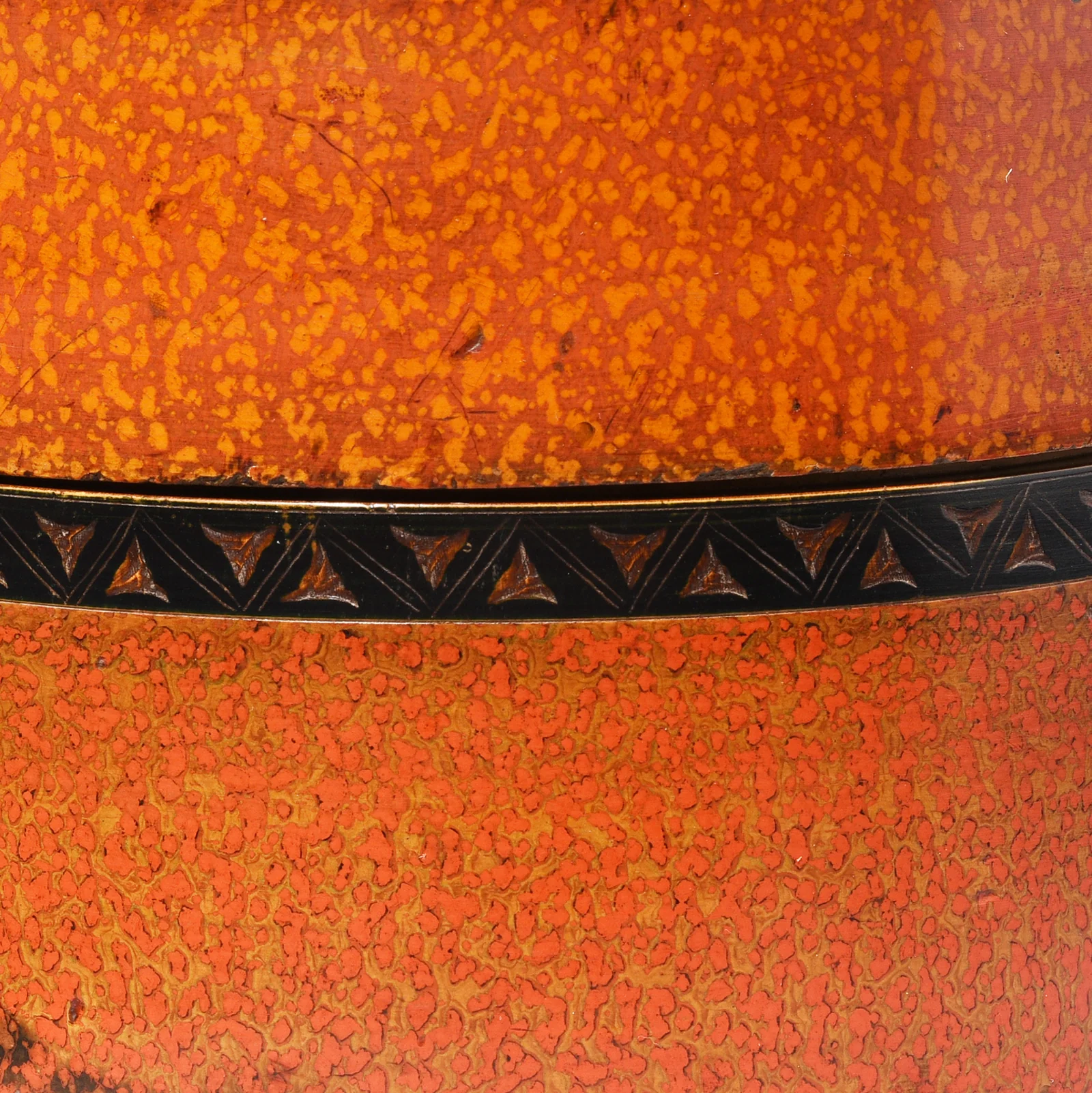
Indian lacquer pots are true works of art and this colourful lacquer box is an excellent collector's piece. These two-colour spotted pots are from the border area of Rajasthan neighbouring Sindh. This piece dates from the 19th Century
Lacquer boxes are commonly used in Rajasthan and Gujarat for storing jewellery or bindi (the red powder that Indian ladies apply to the forehead).
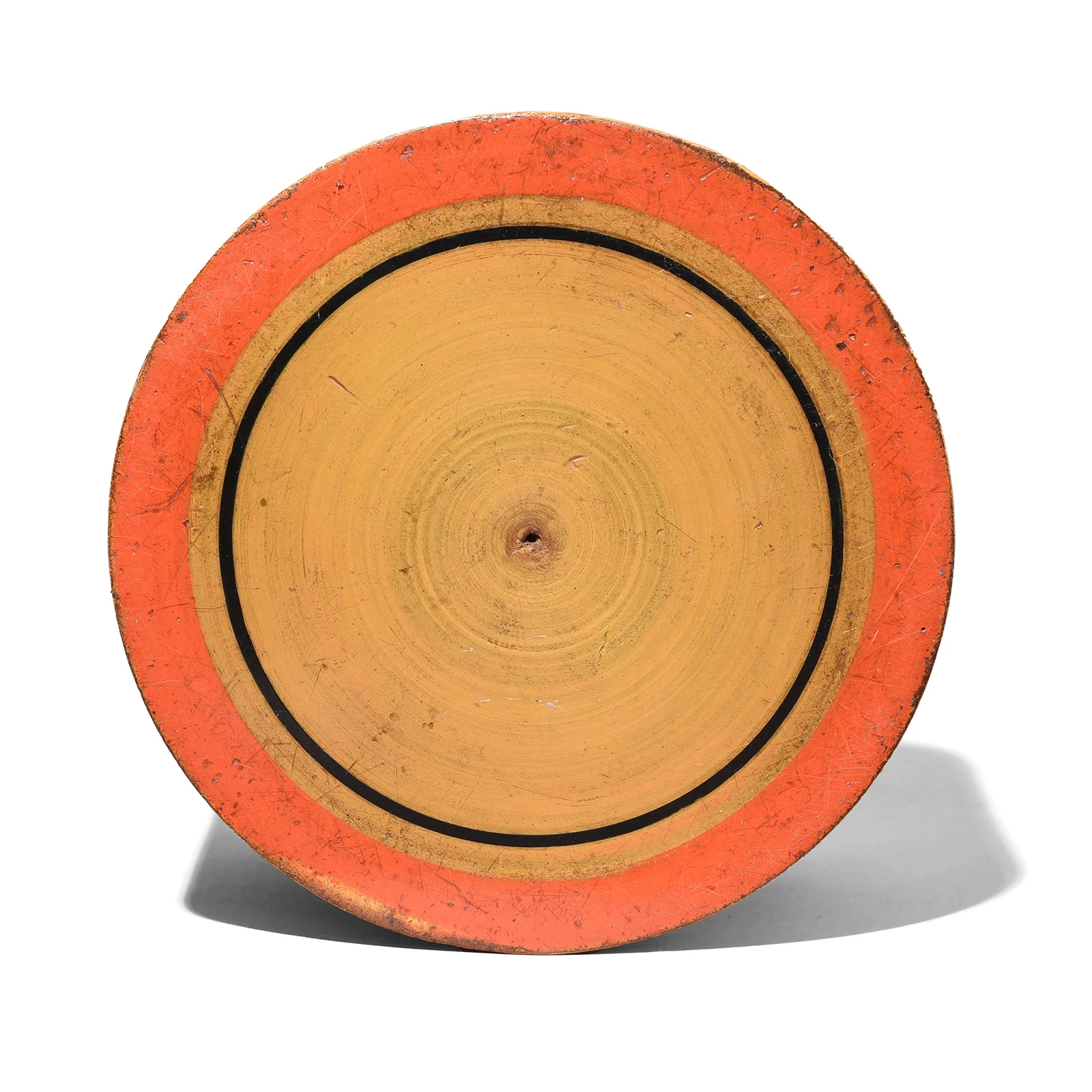
Lacquering is done by the craftsman on a hand-powered lathe by pressing coloured sticks of lac against the wooden pot. As the pot revolved, the heat generated softened the lac and a thin lacquer of colour was deposited on the wood. Quite intricate designs can be created by the craftsman using different techniques. Patterns have been incised through the top layer of lacquer revealing colours beneath.
International exhibitions in the 19th century stimulated traditional crafts around the world. Sindh became well known for its high quality lac-turned wares. Good quality lacquer pots are becoming increasingly difficult to find.
From India
UK Delivery Charge - except Highlands & Islands £7.50
More delivery options available at checkout
More Images
Spotted Lacquer Pot From Barmer - 19th Century
Indian lacquer pots are true works of art and this colourful lacquer box is an excellent collector's piece. These two-colour spotted pots are from the border area of Rajasthan neighbouring Sindh. This piece dates from the 19th Century
Lacquer boxes are commonly used in Rajasthan and Gujarat for storing jewellery or bindi (the red powder that Indian ladies apply to the forehead).
Lacquering is done by the craftsman on a hand-powered lathe by pressing coloured sticks of lac against the wooden pot. As the pot revolved, the heat generated softened the lac and a thin lacquer of colour was deposited on the wood. Quite intricate designs can be created by the craftsman using different techniques. Patterns have been incised through the top layer of lacquer revealing colours beneath.
International exhibitions in the 19th century stimulated traditional crafts around the world. Sindh became well known for its high quality lac-turned wares. Good quality lacquer pots are becoming increasingly difficult to find.
From India
UK Delivery Charge - except Highlands & Islands £7.50
More delivery options available at checkout
Product Information
Product Information
Shipping & Returns
Shipping & Returns
Description
Indian lacquer pots are true works of art and this colourful lacquer box is an excellent collector's piece. These two-colour spotted pots are from the border area of Rajasthan neighbouring Sindh. This piece dates from the 19th Century
Lacquer boxes are commonly used in Rajasthan and Gujarat for storing jewellery or bindi (the red powder that Indian ladies apply to the forehead).
Lacquering is done by the craftsman on a hand-powered lathe by pressing coloured sticks of lac against the wooden pot. As the pot revolved, the heat generated softened the lac and a thin lacquer of colour was deposited on the wood. Quite intricate designs can be created by the craftsman using different techniques. Patterns have been incised through the top layer of lacquer revealing colours beneath.
International exhibitions in the 19th century stimulated traditional crafts around the world. Sindh became well known for its high quality lac-turned wares. Good quality lacquer pots are becoming increasingly difficult to find.
From India
UK Delivery Charge - except Highlands & Islands £7.50
More delivery options available at checkout