
Japanese Lacquer Zushi Buddha Shrine - Meiji Period
Japanese box shrines originated from shinto shrines, which were shrines where the 'Kami' or 'Shinto gods' were believed to live. Statues and objects of worship were concealed from view, often in the very innermost room of the shrine.
This gilded cryptomeria zushi shrine dates from the Meiji period (1868-1912) and inside Buddha sits atop a lotus throne and flanked by two crests from the Nagano Samurai clan, a clear indicator of the origin of previous ownership. He is in the Vajra mudra pose which depicts self confidence.
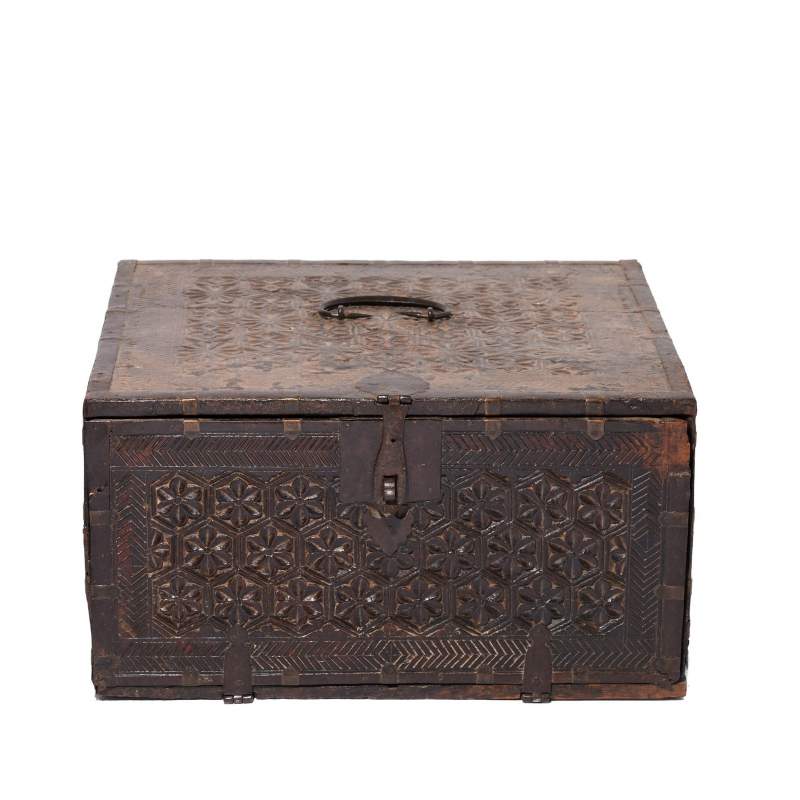
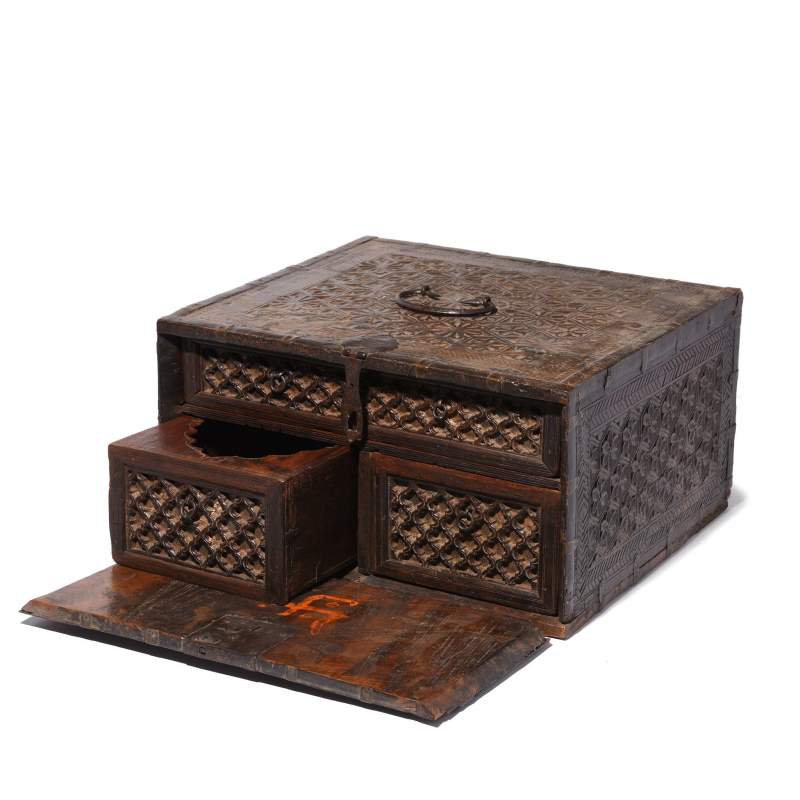
When closed, this zushi shrine is encased in a black lacquered box with an engraved locking latch.
Please note the repaired old break at the top of the throne above the Buddha head.
From Japan
22 x 8 x 24 (wxdxh cms)
UK Delivery Charge - except Highlands & Islands £15
More delivery options available on checkout
Original: $1,345.26
-65%$1,345.26
$470.84More Images


Japanese Lacquer Zushi Buddha Shrine - Meiji Period
Japanese box shrines originated from shinto shrines, which were shrines where the 'Kami' or 'Shinto gods' were believed to live. Statues and objects of worship were concealed from view, often in the very innermost room of the shrine.
This gilded cryptomeria zushi shrine dates from the Meiji period (1868-1912) and inside Buddha sits atop a lotus throne and flanked by two crests from the Nagano Samurai clan, a clear indicator of the origin of previous ownership. He is in the Vajra mudra pose which depicts self confidence.
When closed, this zushi shrine is encased in a black lacquered box with an engraved locking latch.
Please note the repaired old break at the top of the throne above the Buddha head.
From Japan
22 x 8 x 24 (wxdxh cms)
UK Delivery Charge - except Highlands & Islands £15
More delivery options available on checkout
Product Information
Product Information
Shipping & Returns
Shipping & Returns
Description
Japanese box shrines originated from shinto shrines, which were shrines where the 'Kami' or 'Shinto gods' were believed to live. Statues and objects of worship were concealed from view, often in the very innermost room of the shrine.
This gilded cryptomeria zushi shrine dates from the Meiji period (1868-1912) and inside Buddha sits atop a lotus throne and flanked by two crests from the Nagano Samurai clan, a clear indicator of the origin of previous ownership. He is in the Vajra mudra pose which depicts self confidence.
When closed, this zushi shrine is encased in a black lacquered box with an engraved locking latch.
Please note the repaired old break at the top of the throne above the Buddha head.
From Japan
22 x 8 x 24 (wxdxh cms)
UK Delivery Charge - except Highlands & Islands £15
More delivery options available on checkout