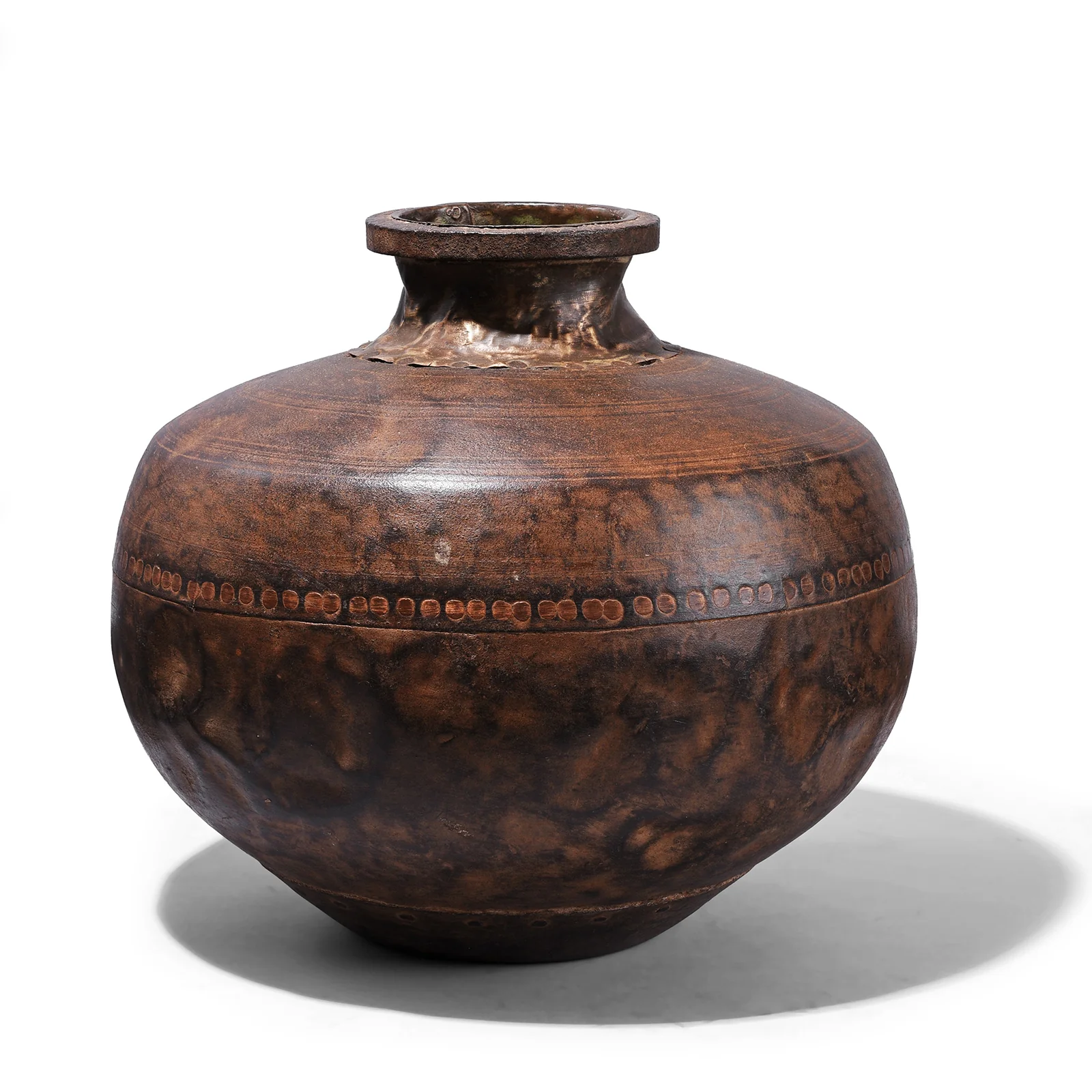
Iron Lota From The Punjab - Ca 1960's
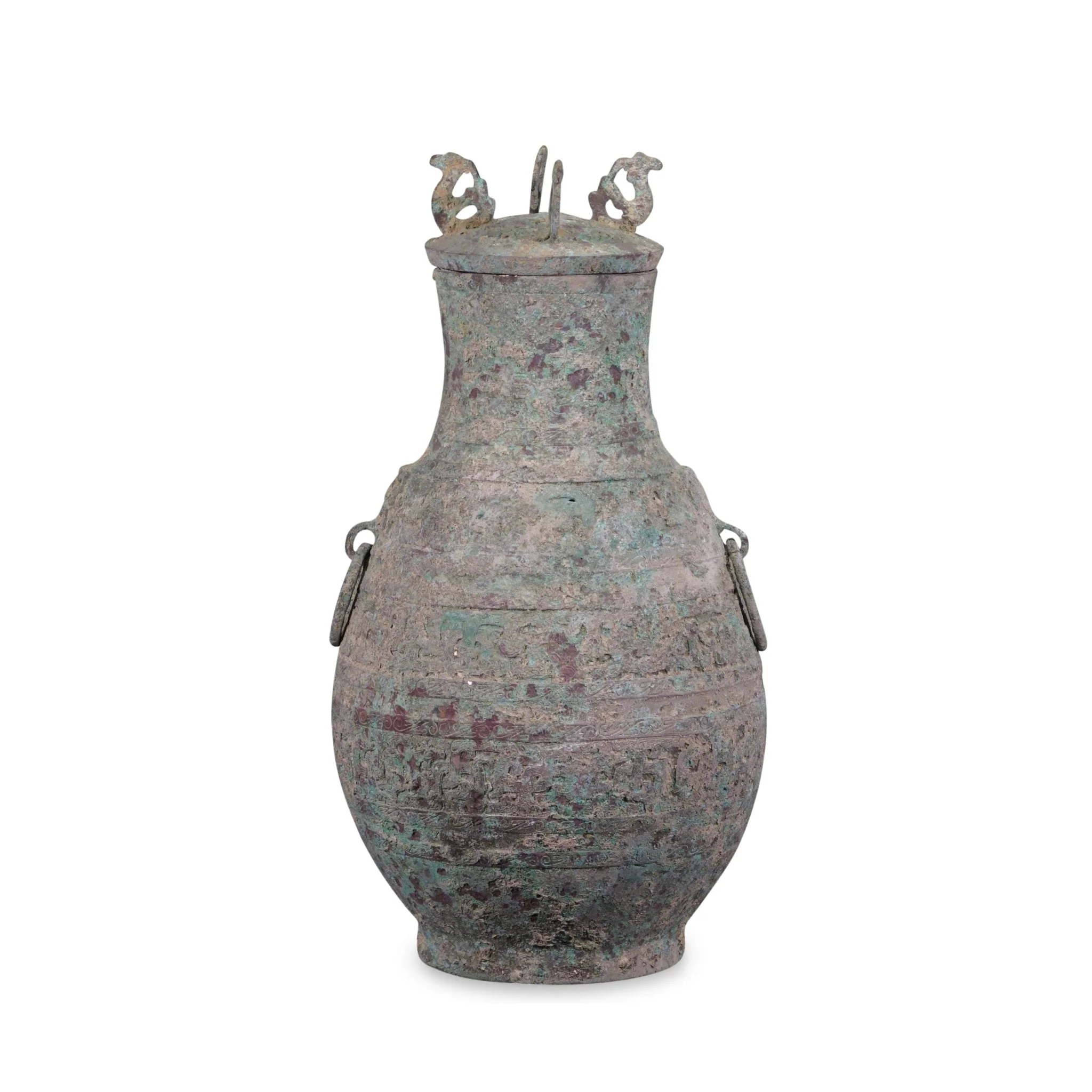
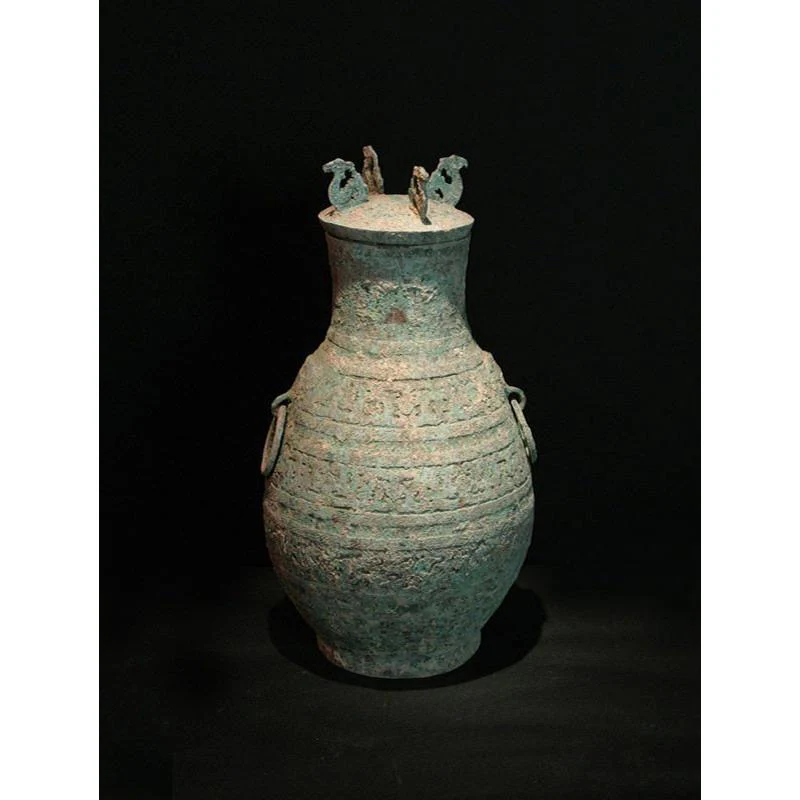
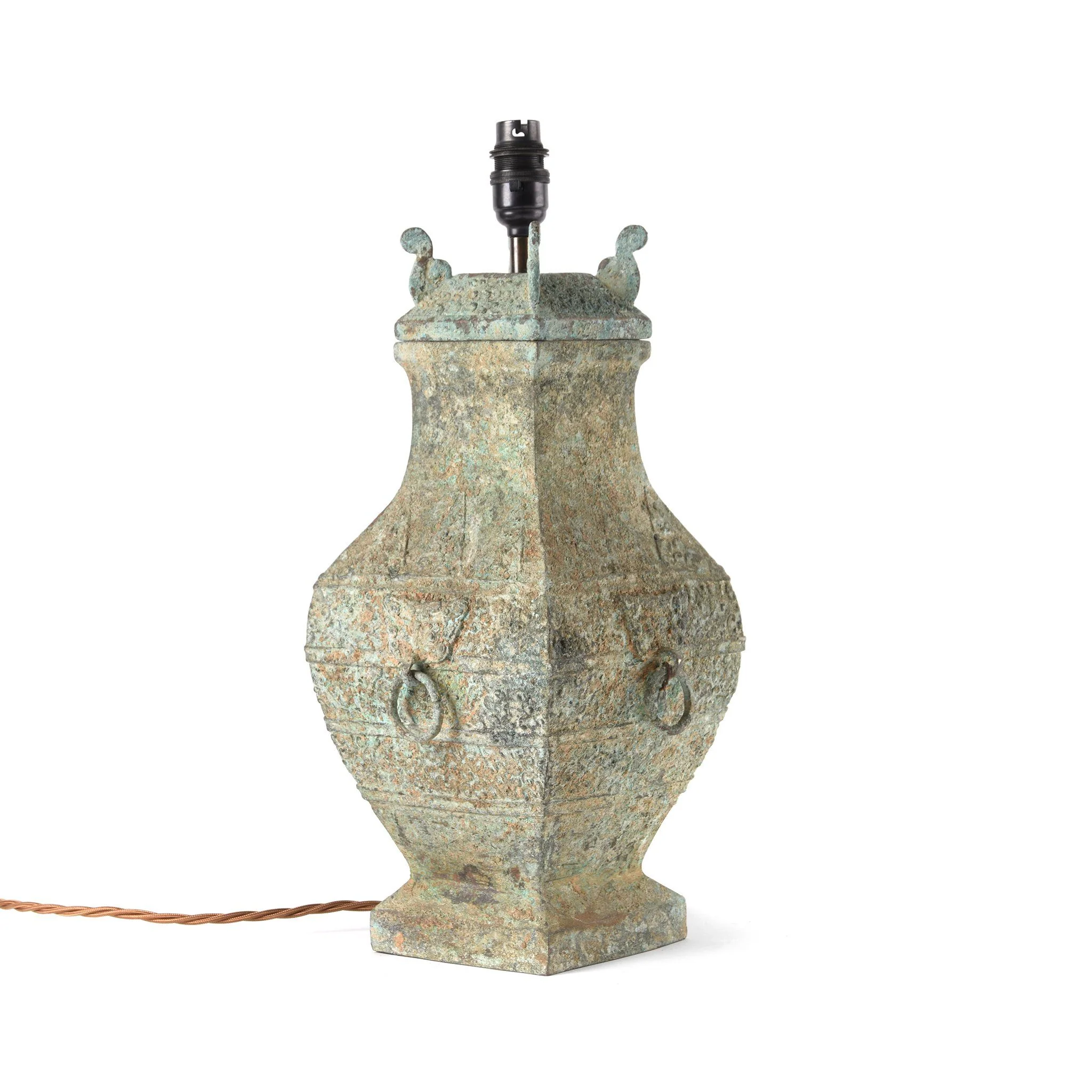
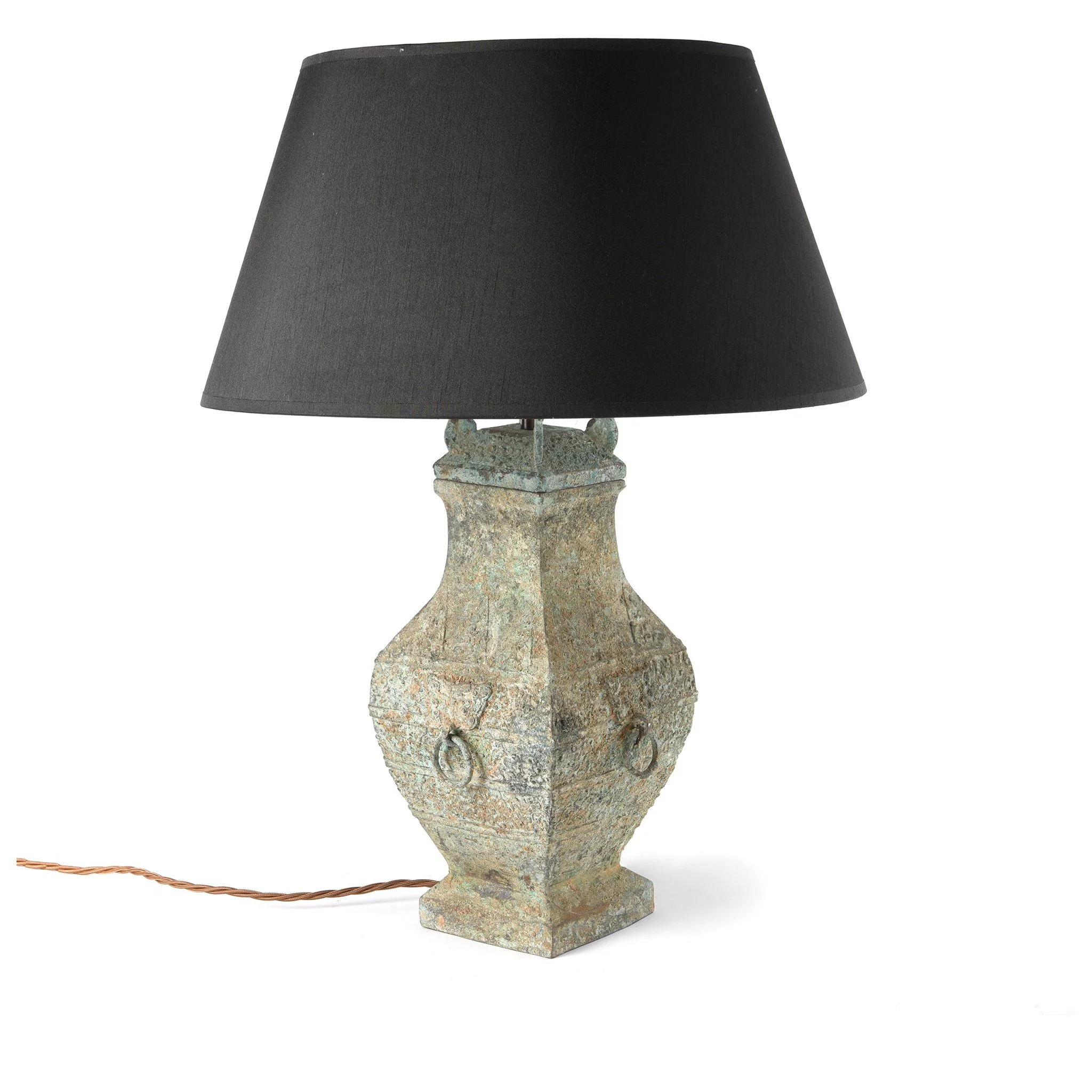
This iron lota originates from the Punjab region and dates to around the 1960s. Water pots such as this have historically been among the most essential household objects across India and much of Asia, used daily for collecting, carrying, and storing water from rivers, ponds, and village wells. In Indian households, the lota was a vital and familiar presence, deeply embedded in everyday life.
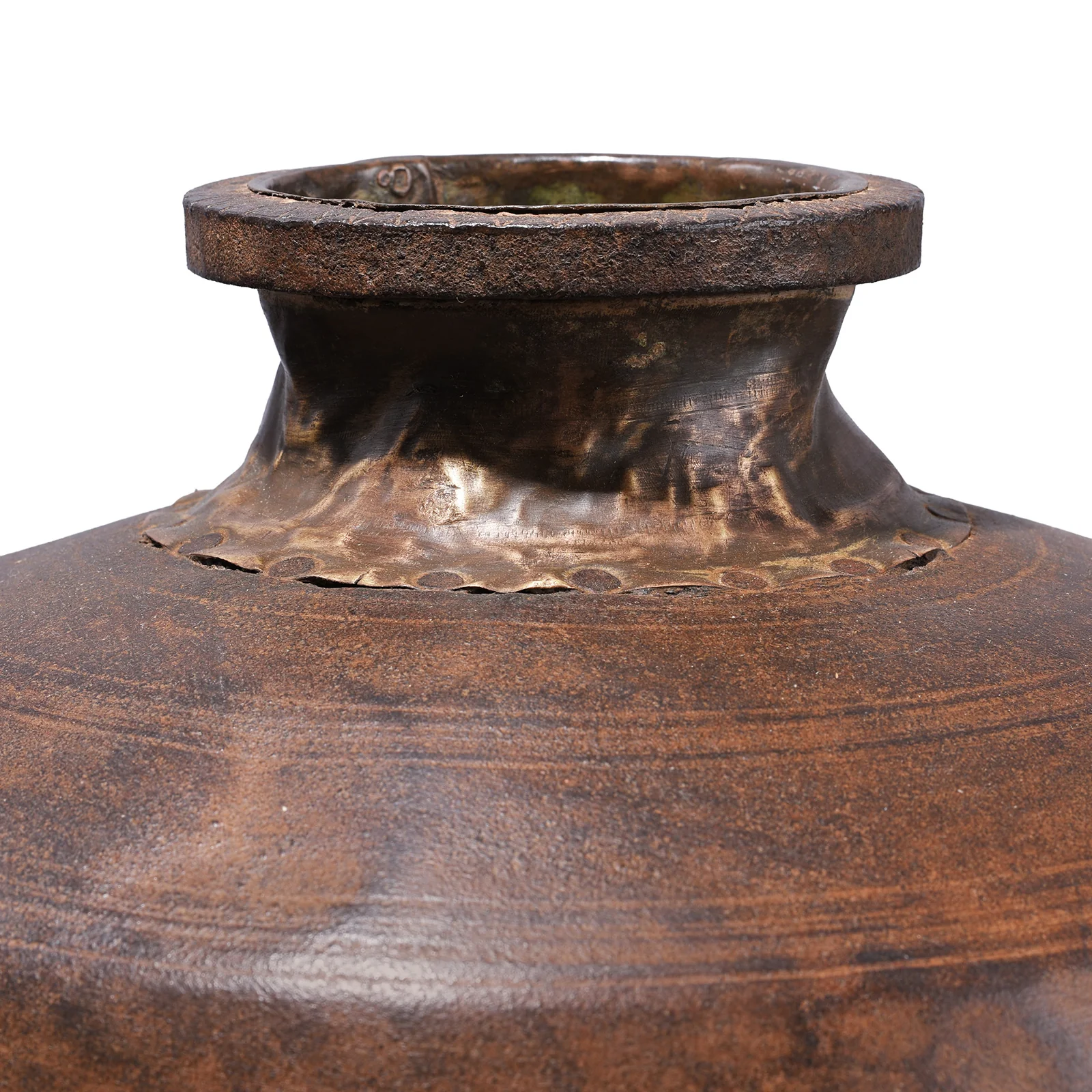
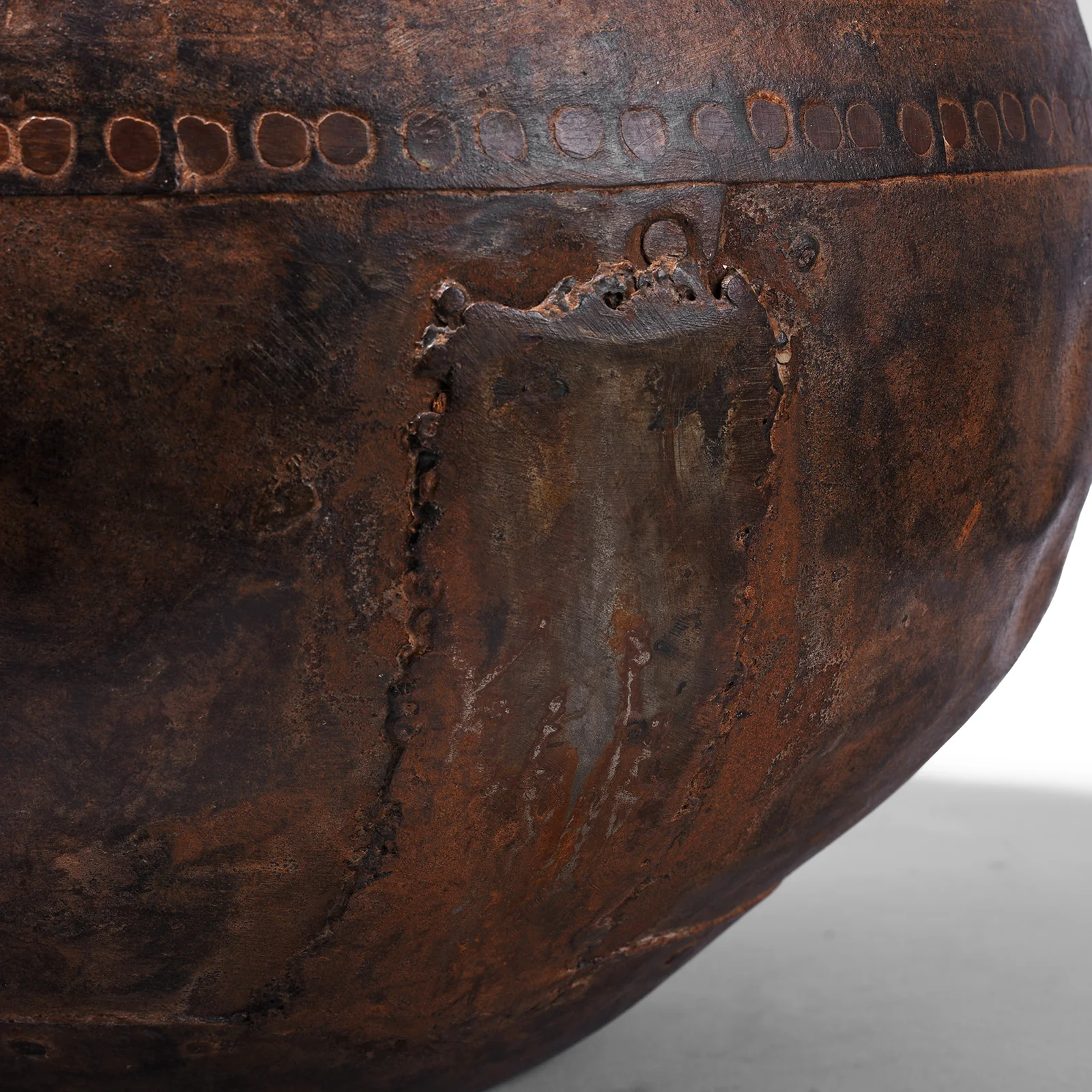
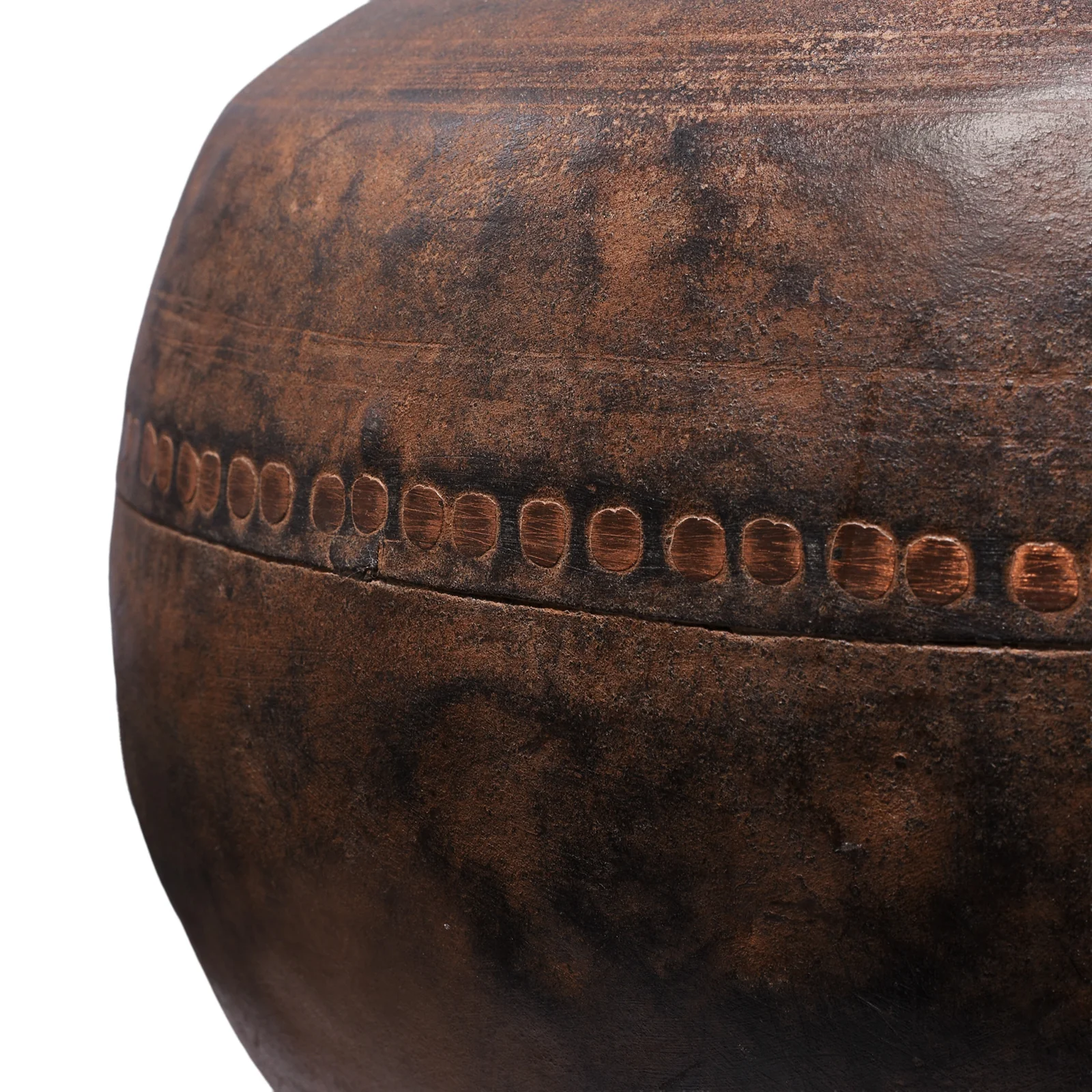
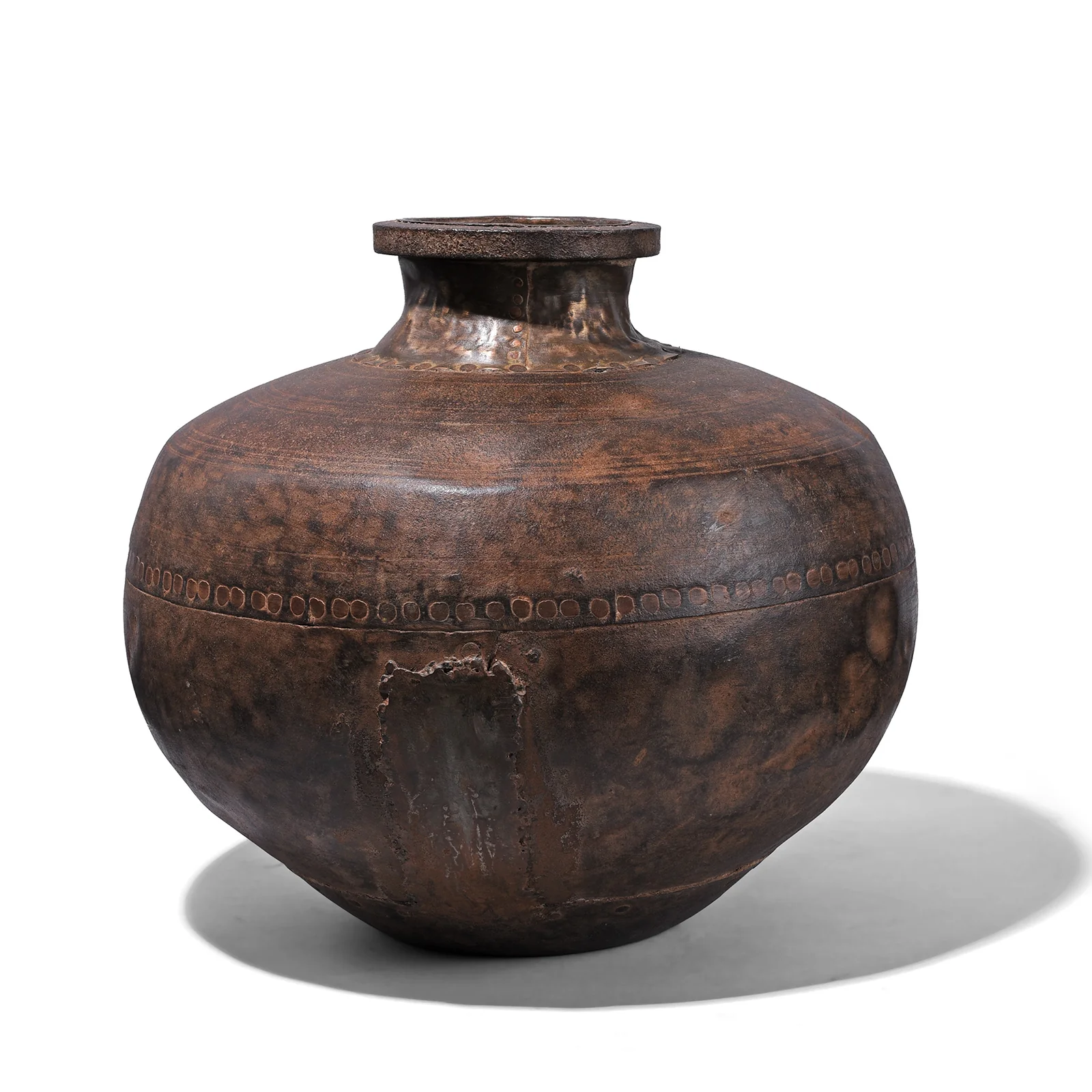
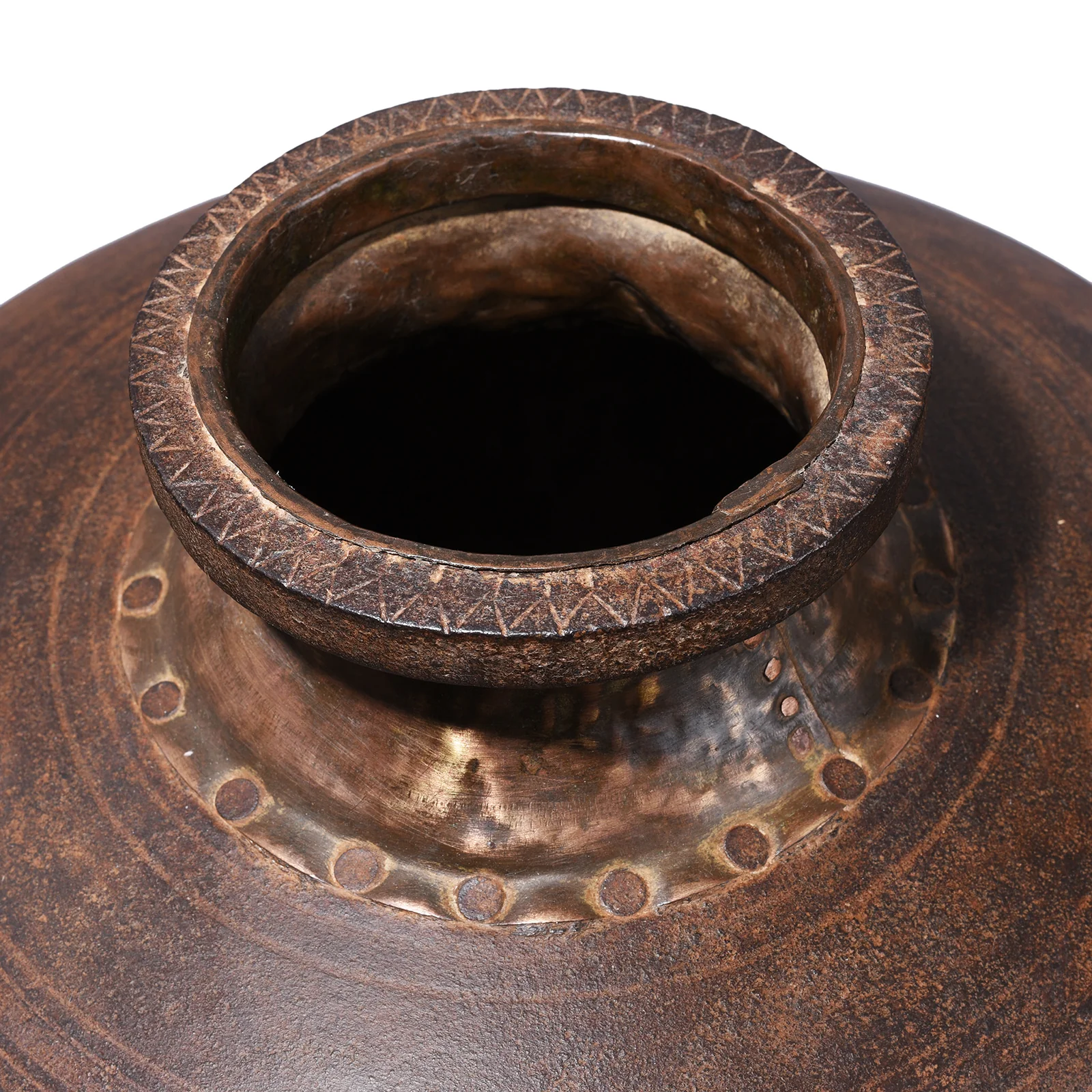
The rounded form is crafted from iron and finished with a dark, mottled surface that shows areas of wear from decades of use. A simple decorative band of stamped circular motifs runs around the body, adding subtle ornamentation to an otherwise purely functional vessel. Lota pots are perhaps most iconically associated with the graceful sight of women, and sometimes children, balancing them on their heads while gathering water, often accompanied by conversation and community interaction along the way. Today, this piece serves as a sculptural reminder of traditional domestic practices and rural life.
- Origin: Punjab, India
- Date: Circa 1960s
- Materials: iron
- Features: Rounded form with stamped decorative band
- Condition: Structurally sound with surface wear, patina, and marks consistent with age and use
- Dimensions: W30 x D30 x H28 cm
Original: $224.43
-65%$224.43
$78.55More Images
Iron Lota From The Punjab - Ca 1960's
This iron lota originates from the Punjab region and dates to around the 1960s. Water pots such as this have historically been among the most essential household objects across India and much of Asia, used daily for collecting, carrying, and storing water from rivers, ponds, and village wells. In Indian households, the lota was a vital and familiar presence, deeply embedded in everyday life.
The rounded form is crafted from iron and finished with a dark, mottled surface that shows areas of wear from decades of use. A simple decorative band of stamped circular motifs runs around the body, adding subtle ornamentation to an otherwise purely functional vessel. Lota pots are perhaps most iconically associated with the graceful sight of women, and sometimes children, balancing them on their heads while gathering water, often accompanied by conversation and community interaction along the way. Today, this piece serves as a sculptural reminder of traditional domestic practices and rural life.
- Origin: Punjab, India
- Date: Circa 1960s
- Materials: iron
- Features: Rounded form with stamped decorative band
- Condition: Structurally sound with surface wear, patina, and marks consistent with age and use
- Dimensions: W30 x D30 x H28 cm
Product Information
Product Information
Shipping & Returns
Shipping & Returns
Description
This iron lota originates from the Punjab region and dates to around the 1960s. Water pots such as this have historically been among the most essential household objects across India and much of Asia, used daily for collecting, carrying, and storing water from rivers, ponds, and village wells. In Indian households, the lota was a vital and familiar presence, deeply embedded in everyday life.
The rounded form is crafted from iron and finished with a dark, mottled surface that shows areas of wear from decades of use. A simple decorative band of stamped circular motifs runs around the body, adding subtle ornamentation to an otherwise purely functional vessel. Lota pots are perhaps most iconically associated with the graceful sight of women, and sometimes children, balancing them on their heads while gathering water, often accompanied by conversation and community interaction along the way. Today, this piece serves as a sculptural reminder of traditional domestic practices and rural life.
- Origin: Punjab, India
- Date: Circa 1960s
- Materials: iron
- Features: Rounded form with stamped decorative band
- Condition: Structurally sound with surface wear, patina, and marks consistent with age and use
- Dimensions: W30 x D30 x H28 cm