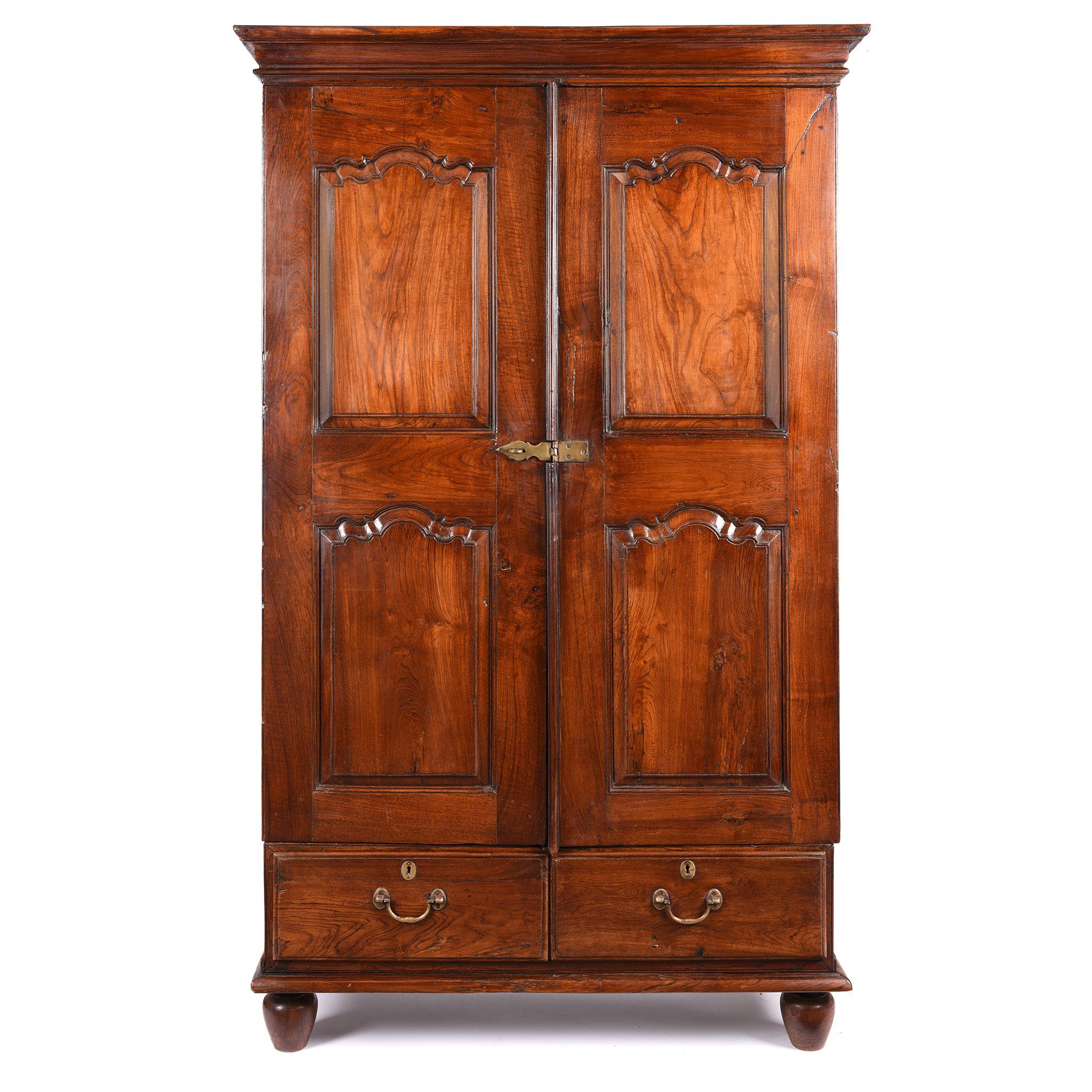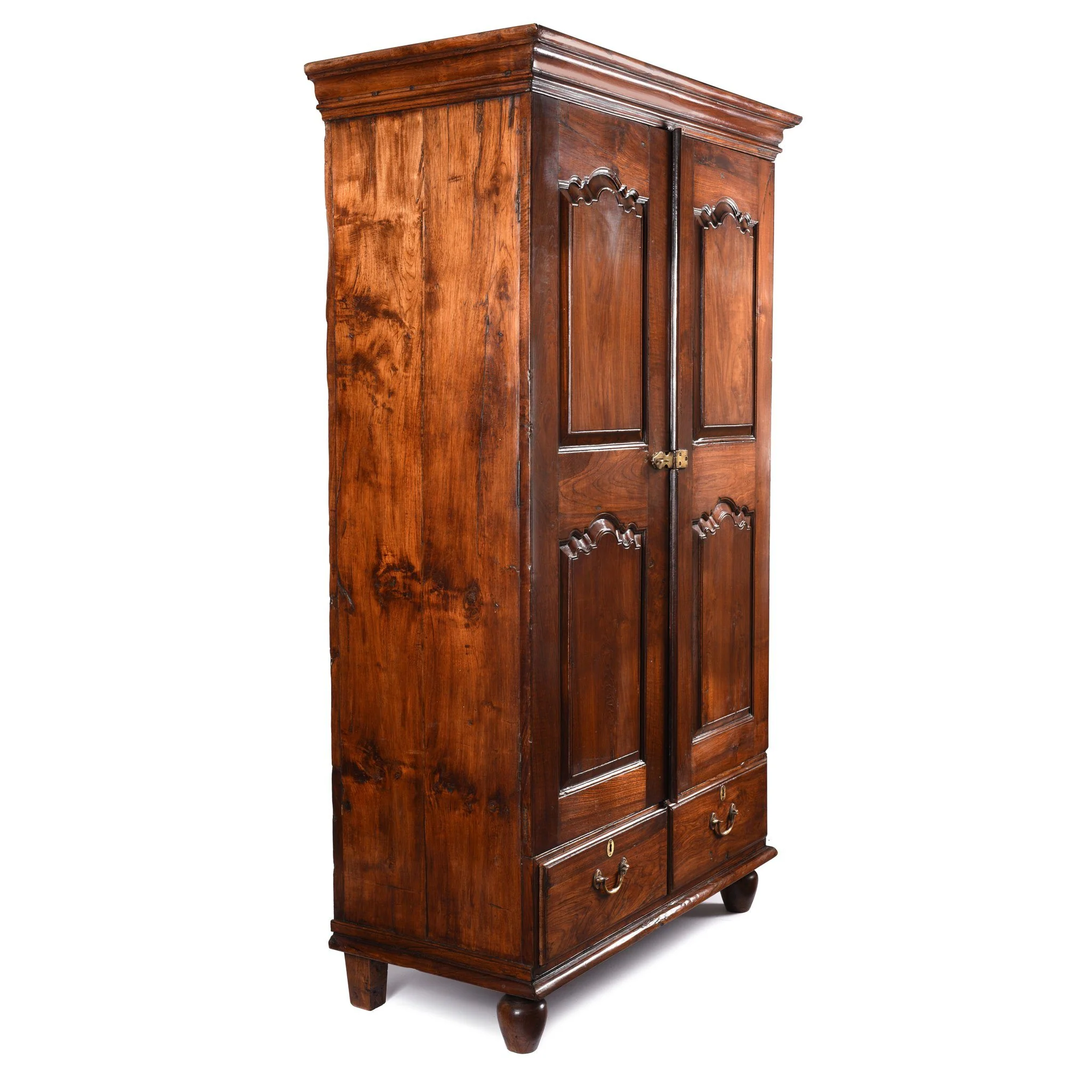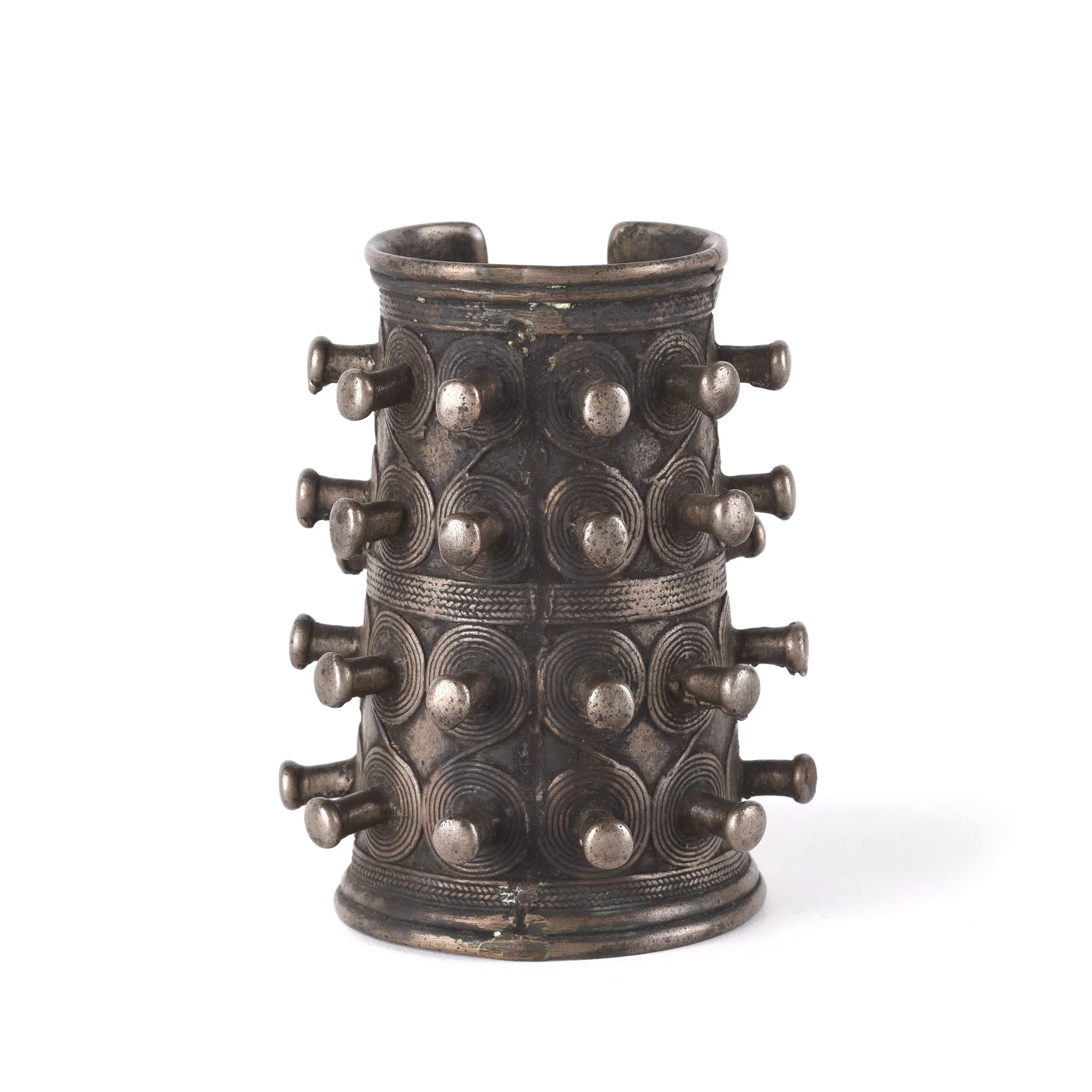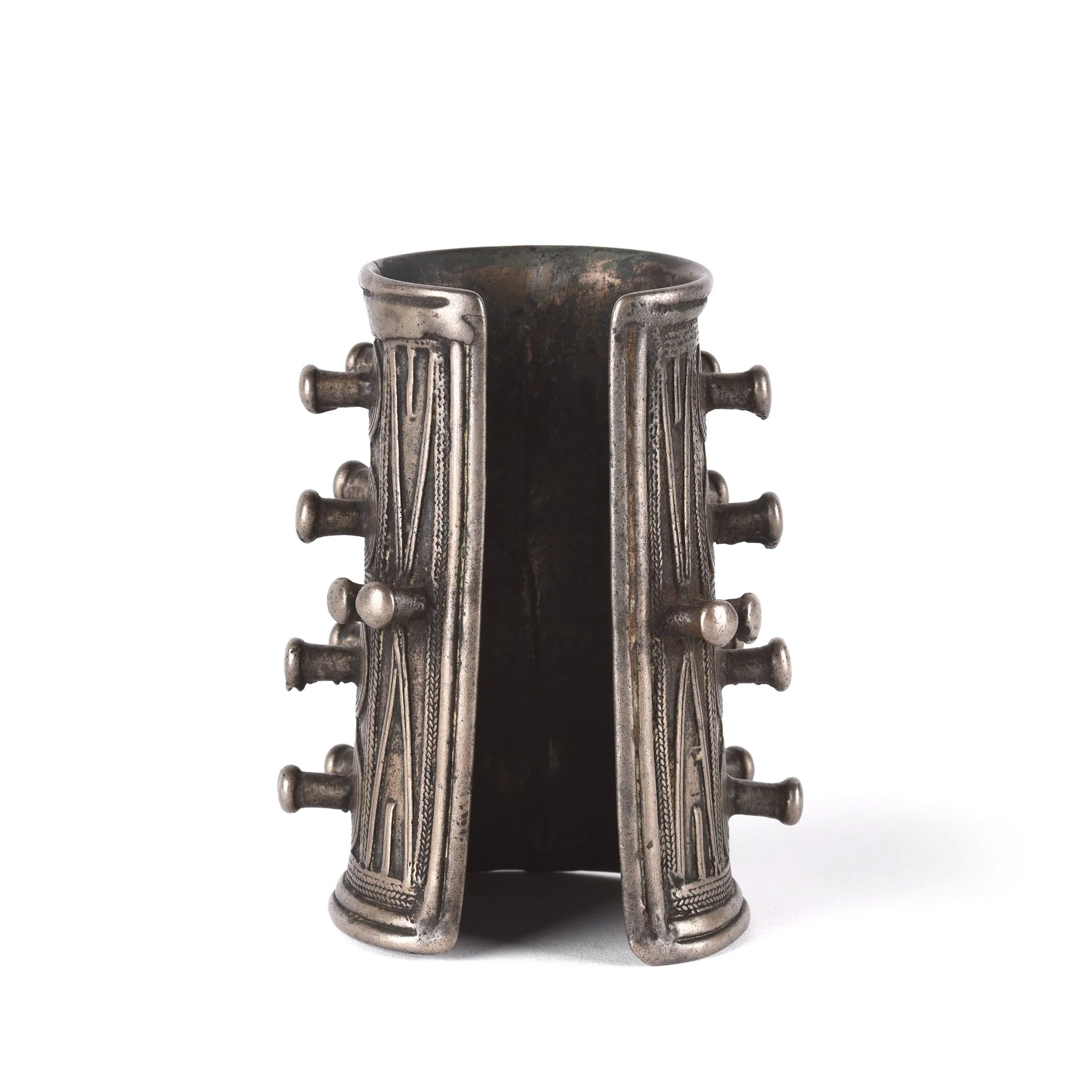
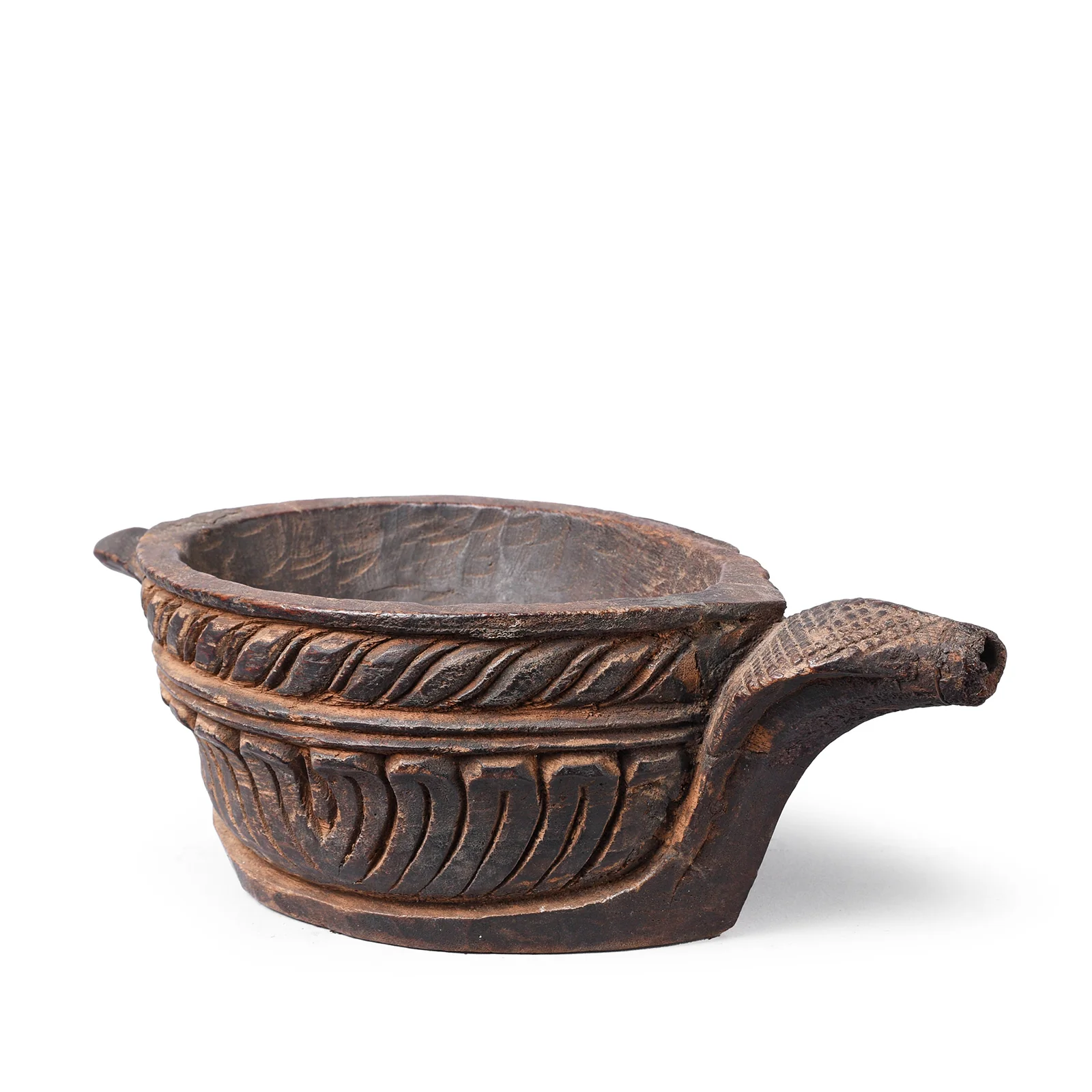
Carved Indian Opium Grinder (Kharal) -19thC
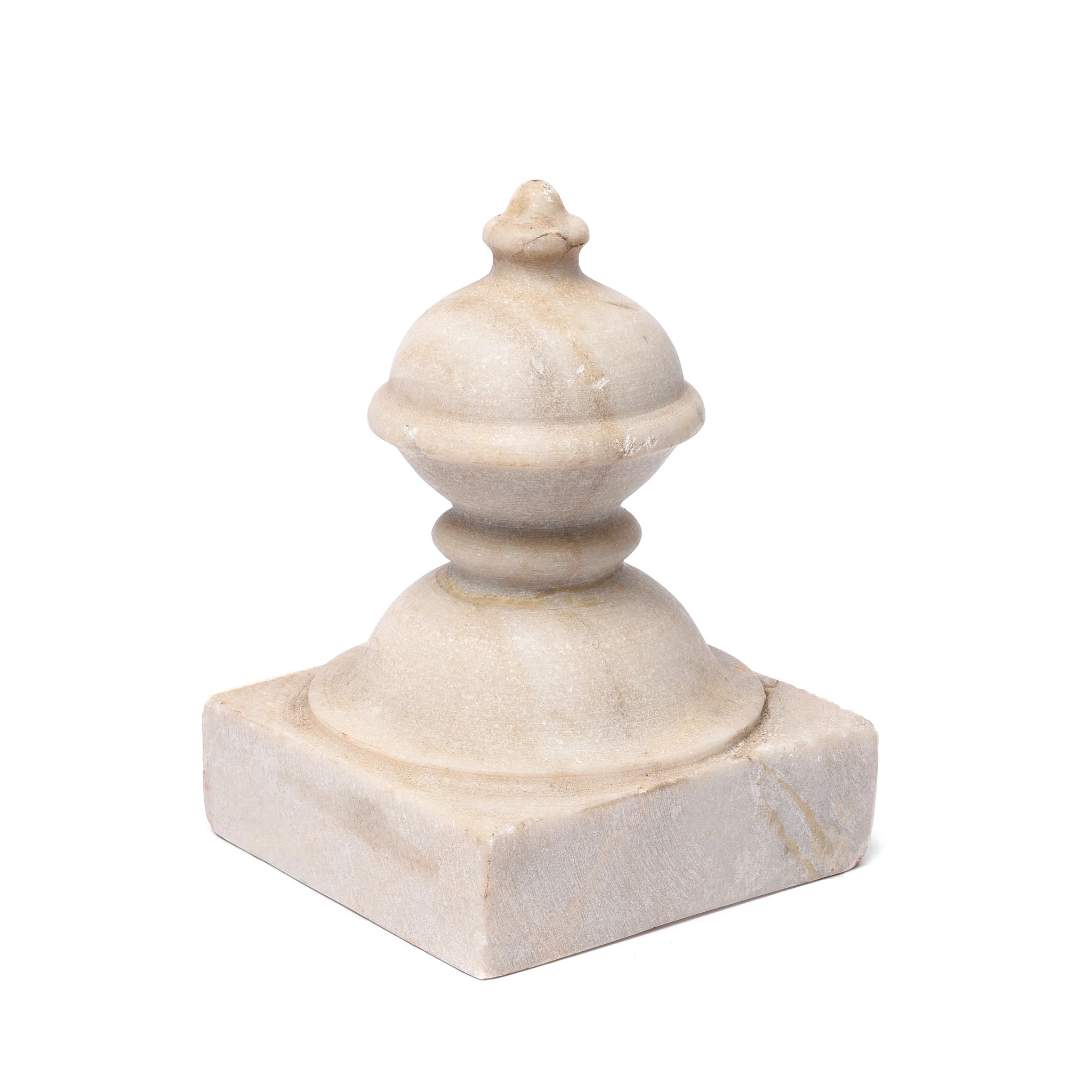
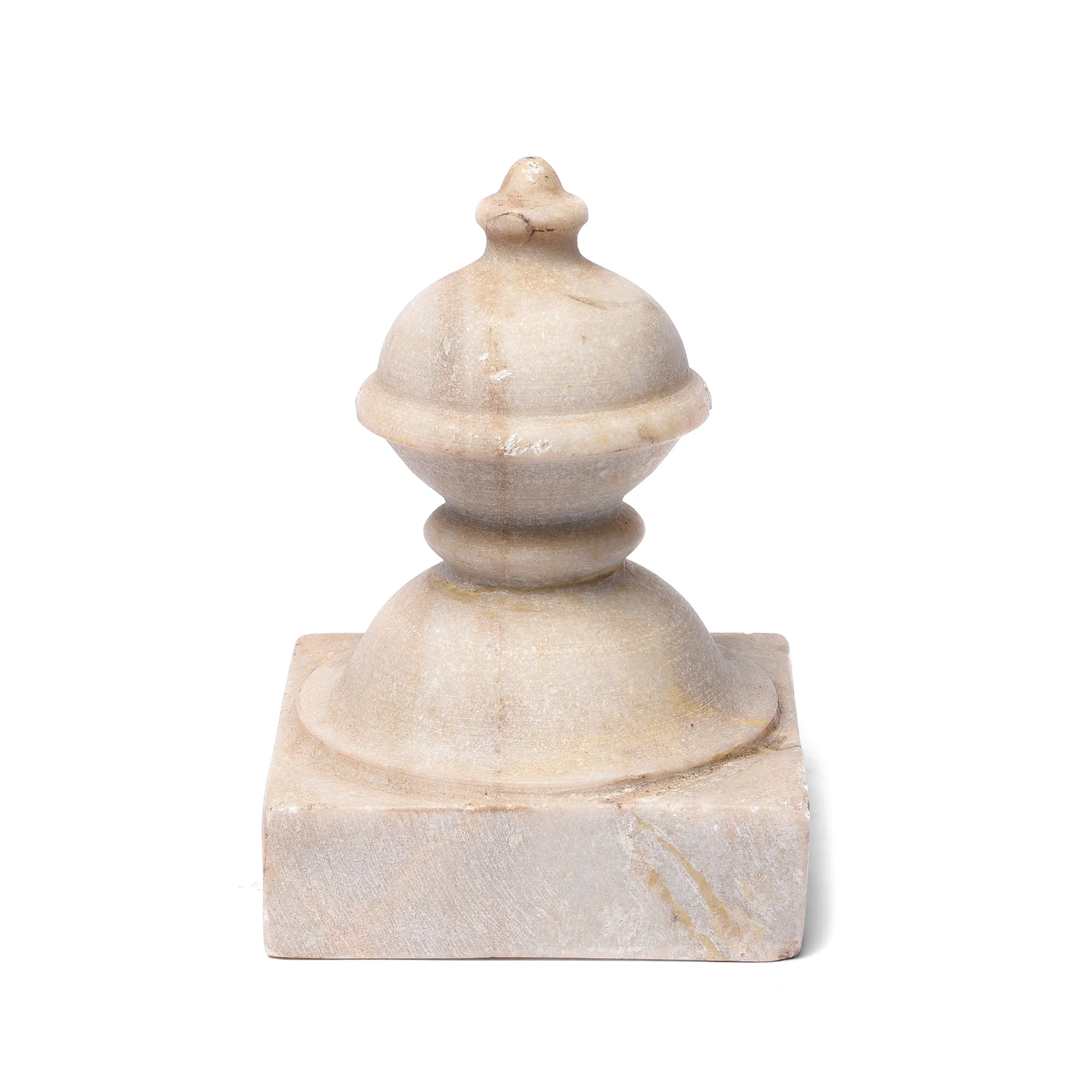
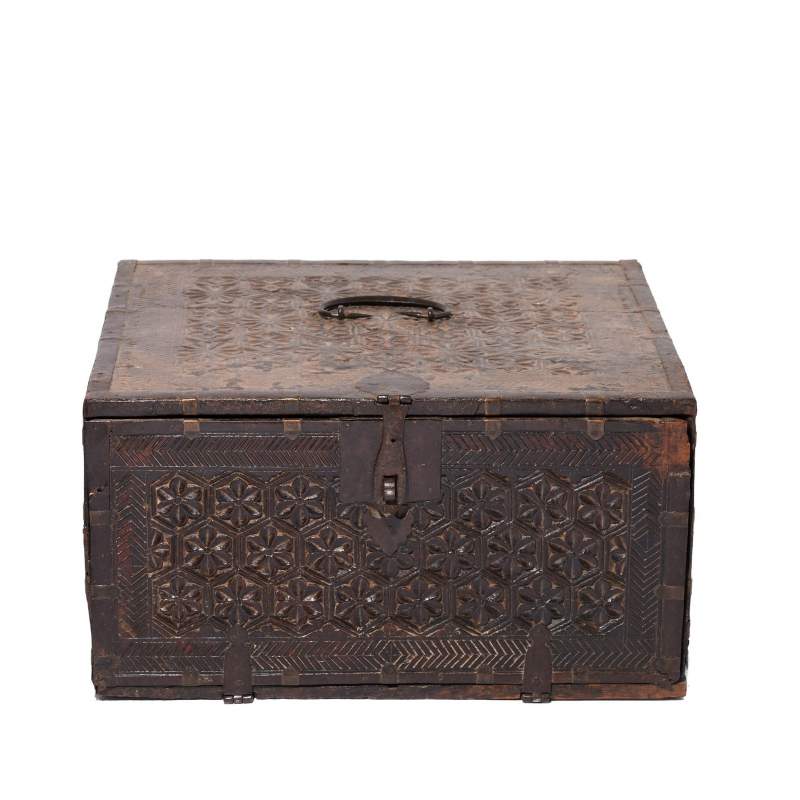
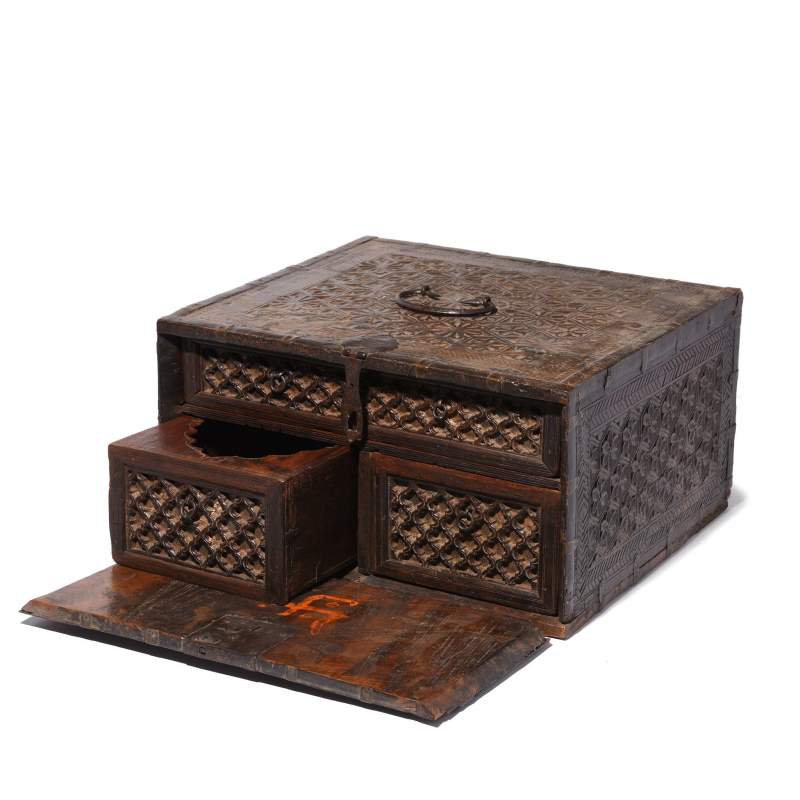
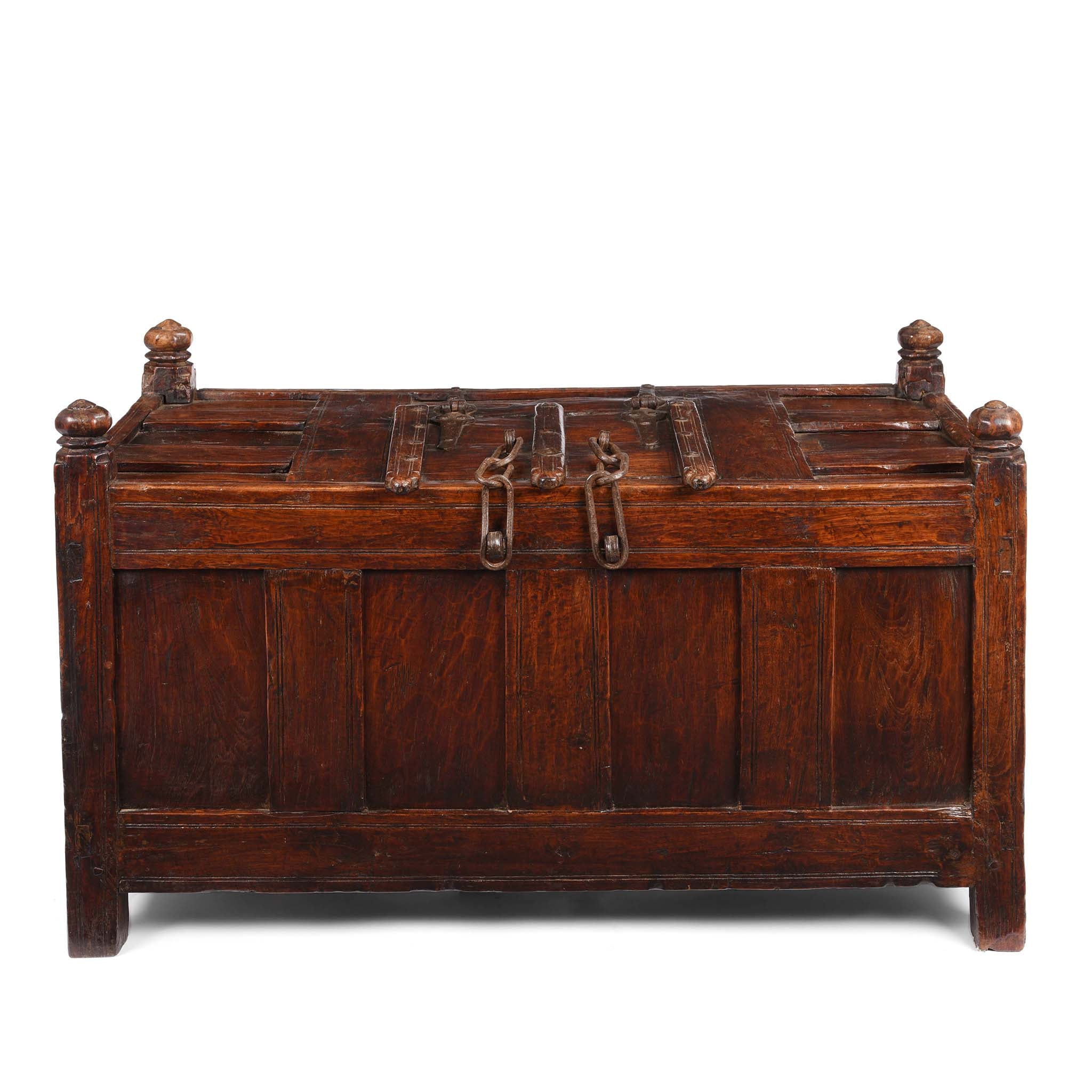
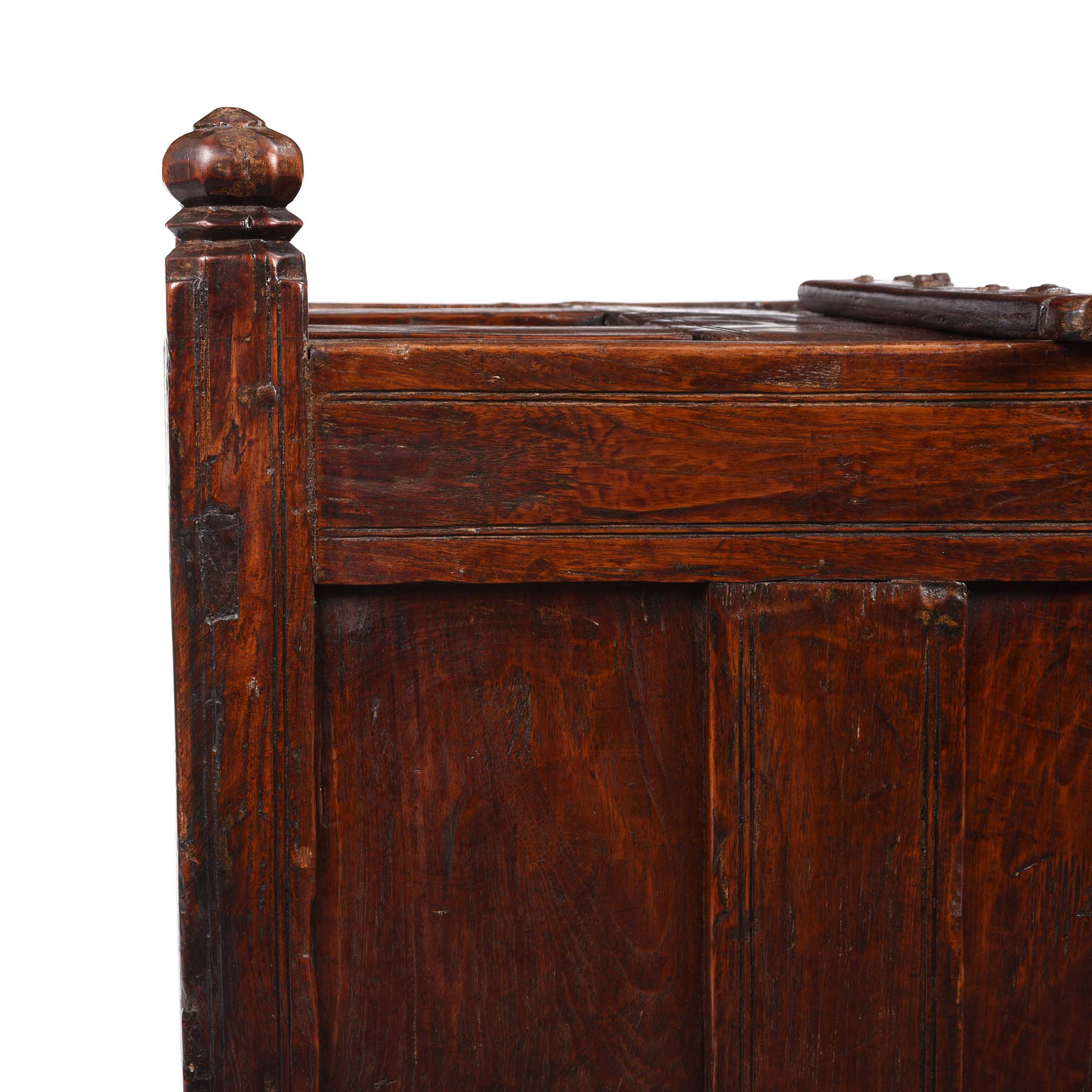
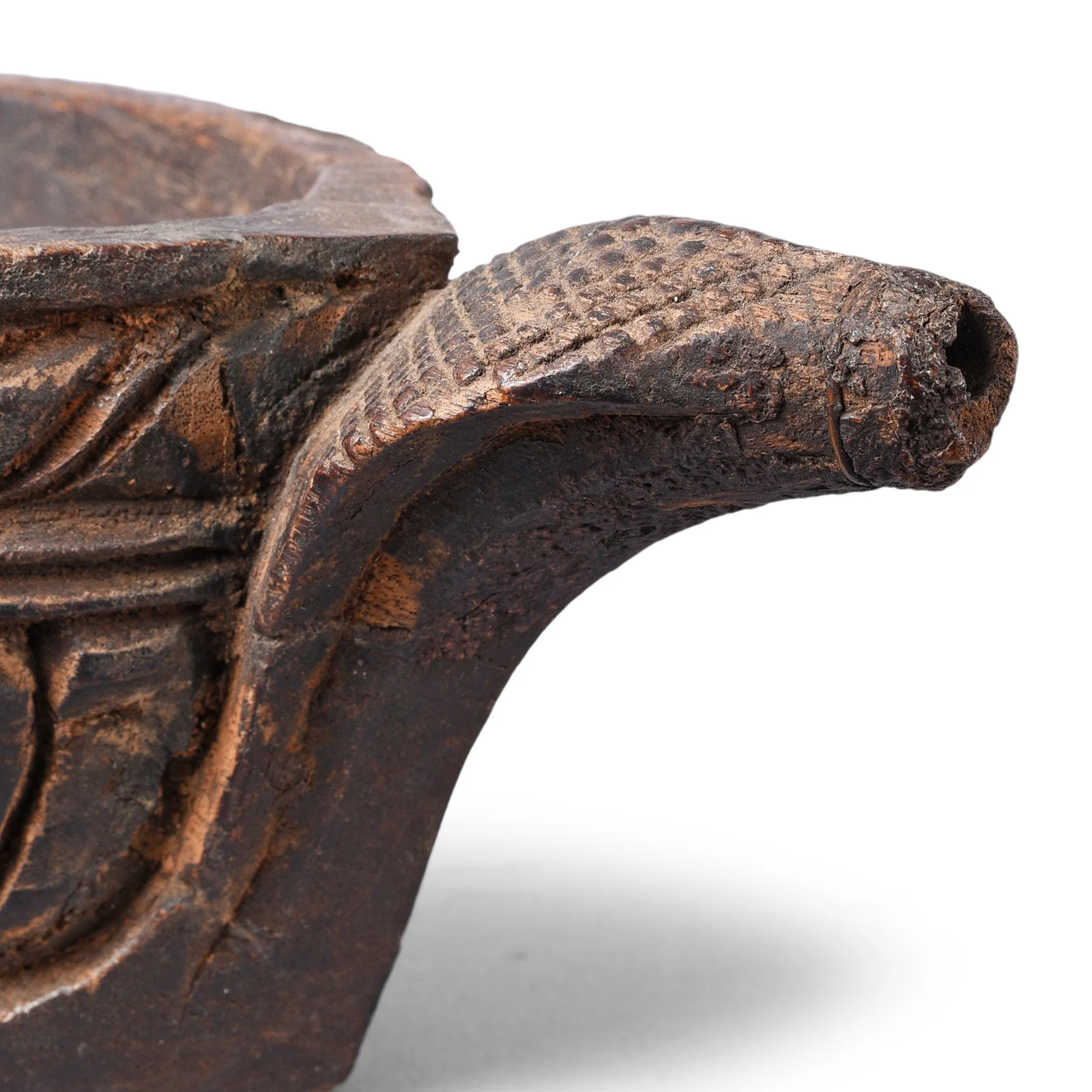
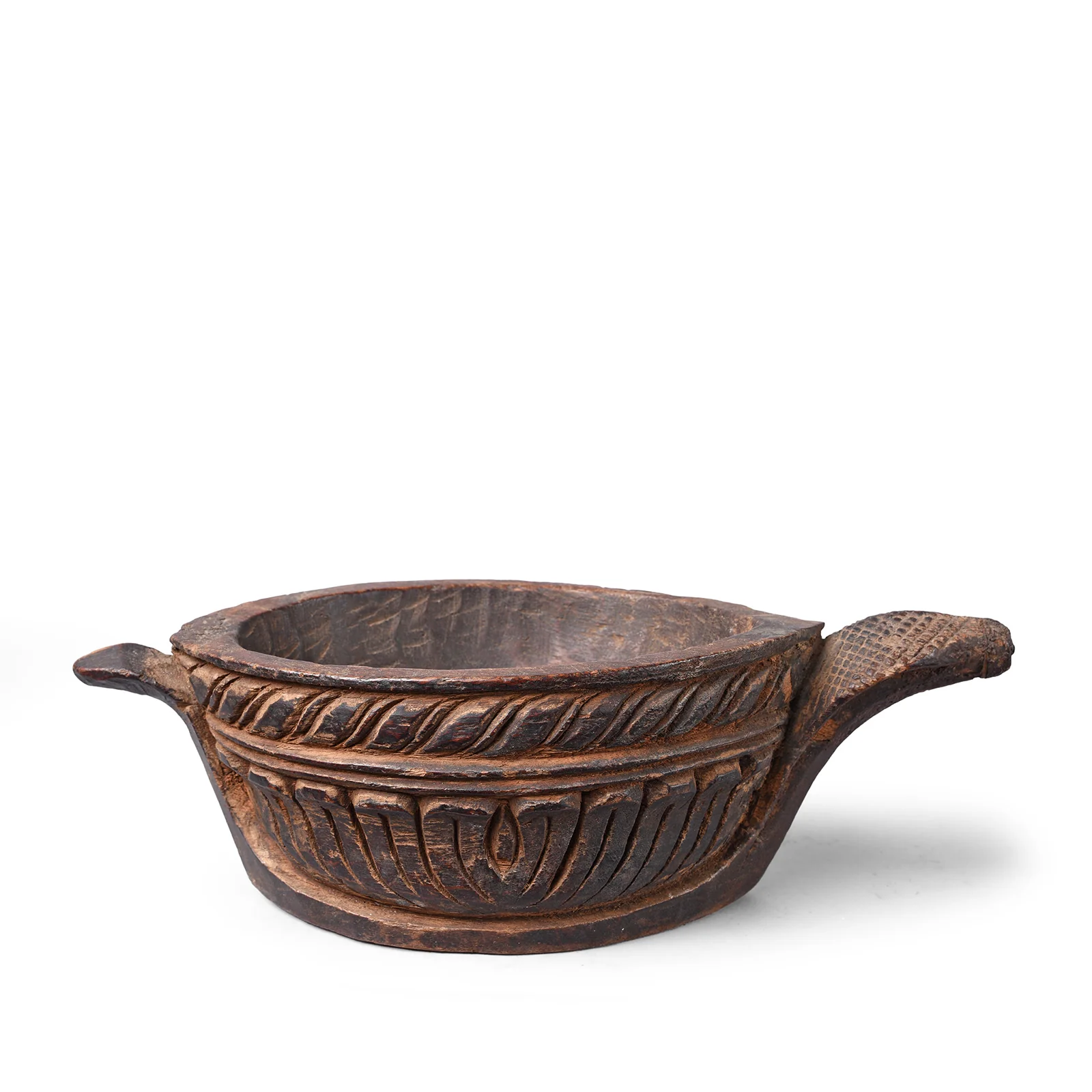
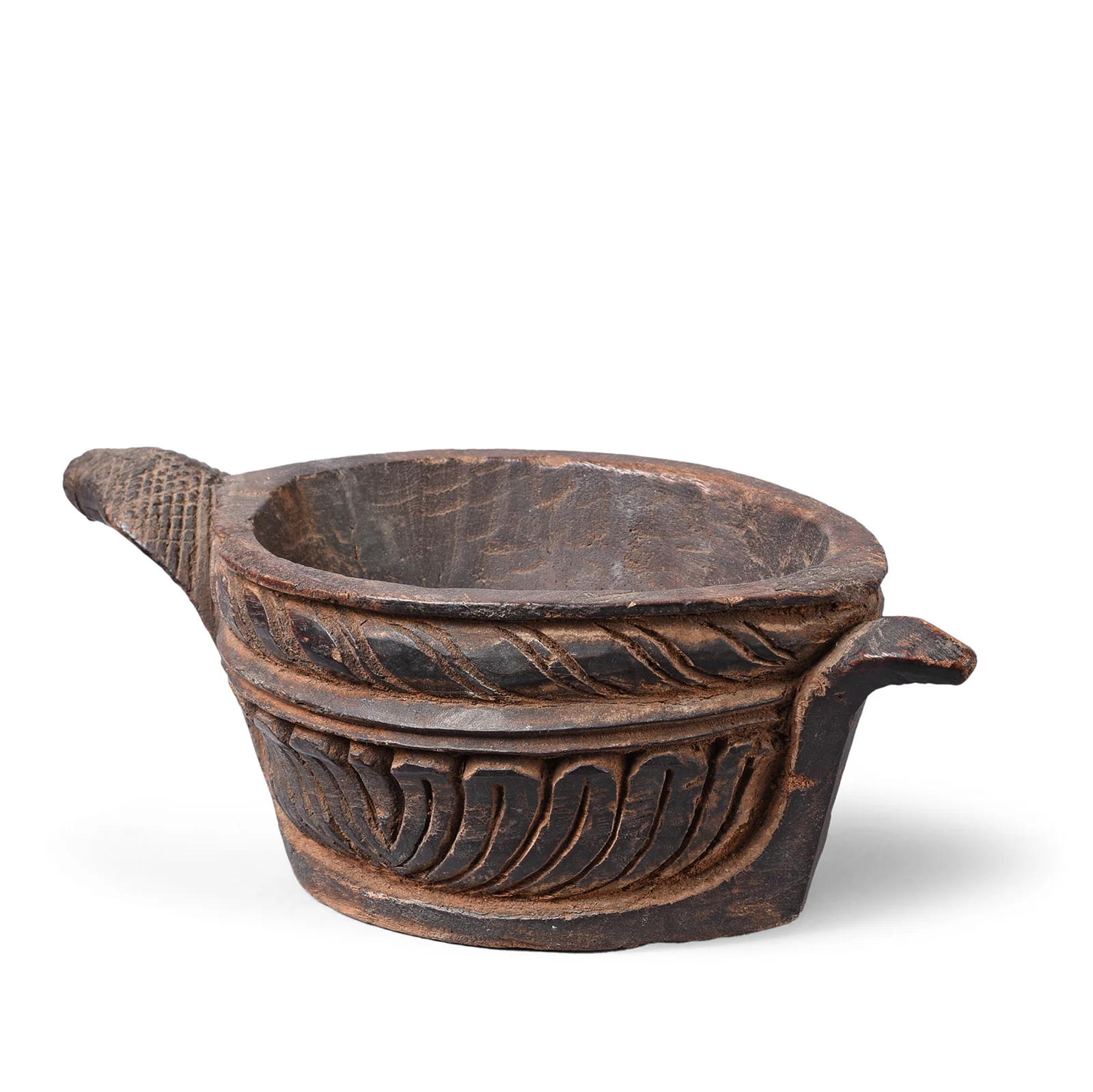
This beautifully carved and patinated teak opium grinder is known locally in Rajasthan as a 'kharal'. It was made for grinding opium which would be mixed with water and poured through the spout for drinking. Probably made by a family member it is carved from a single piece of roheda wood. Roheda (Tecomella undulata) is a tree that grows in the Thar desert. It is sometimes called Marwar teak
The tradition of growing and taking opium in Rajasthan and Gujarat has existed for centuries and to some extent, it is still taken during rituals and festivals.
A truly unique piece of art and a real talking point at dinner parties.
A similar example can be seen in "Folk Art & Culture of Gujarat: A Guide to the Collection of the Shreyas Folk Museum of Gujarat" by Jyotindra Jain - figure 44. Other examples can be seen in the Sanskriti Museum of Everyday Art in New Delhi, India.
Original: $378.57
-65%$378.57
$132.50More Images
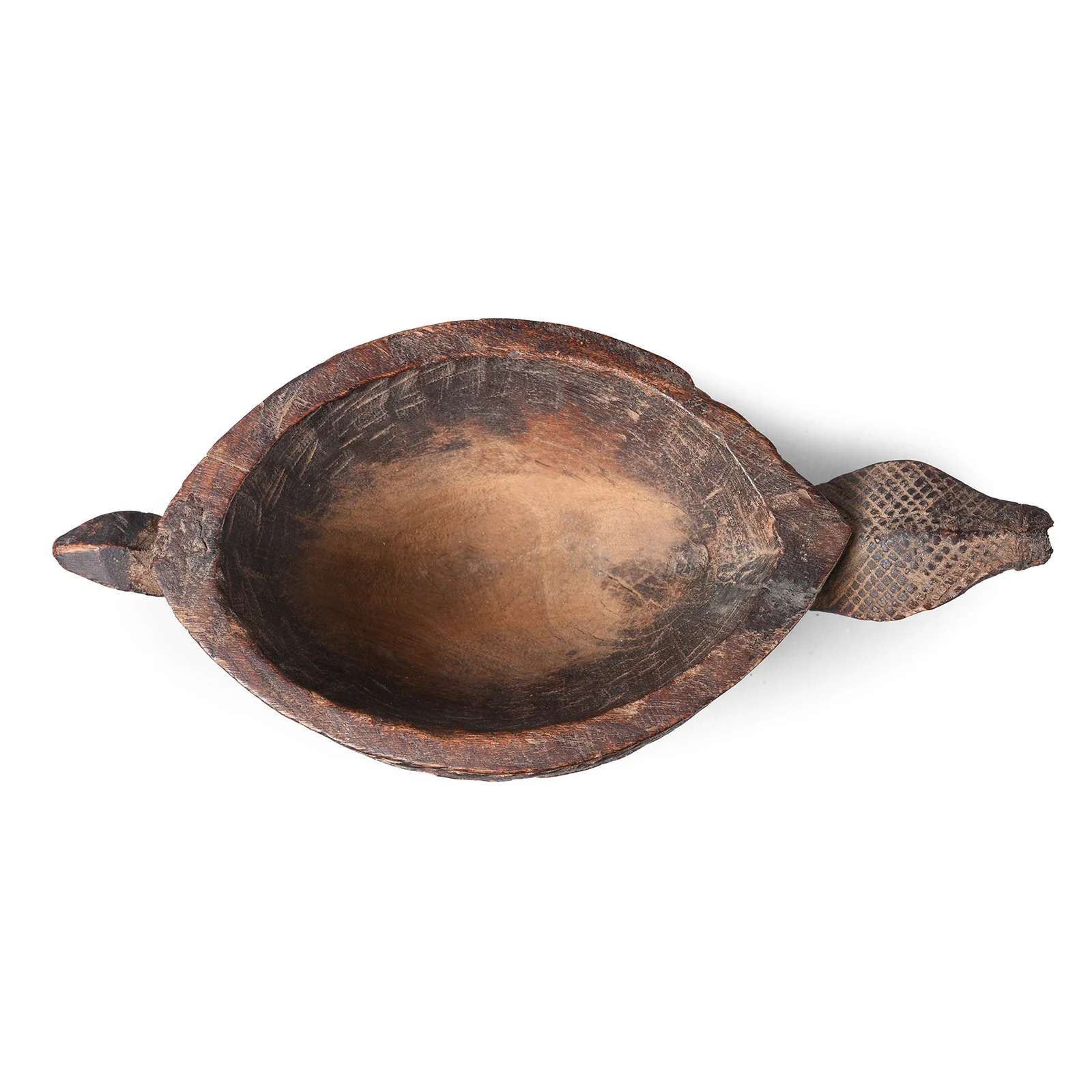
Carved Indian Opium Grinder (Kharal) -19thC
This beautifully carved and patinated teak opium grinder is known locally in Rajasthan as a 'kharal'. It was made for grinding opium which would be mixed with water and poured through the spout for drinking. Probably made by a family member it is carved from a single piece of roheda wood. Roheda (Tecomella undulata) is a tree that grows in the Thar desert. It is sometimes called Marwar teak
The tradition of growing and taking opium in Rajasthan and Gujarat has existed for centuries and to some extent, it is still taken during rituals and festivals.
A truly unique piece of art and a real talking point at dinner parties.
A similar example can be seen in "Folk Art & Culture of Gujarat: A Guide to the Collection of the Shreyas Folk Museum of Gujarat" by Jyotindra Jain - figure 44. Other examples can be seen in the Sanskriti Museum of Everyday Art in New Delhi, India.
Product Information
Product Information
Shipping & Returns
Shipping & Returns
Description
This beautifully carved and patinated teak opium grinder is known locally in Rajasthan as a 'kharal'. It was made for grinding opium which would be mixed with water and poured through the spout for drinking. Probably made by a family member it is carved from a single piece of roheda wood. Roheda (Tecomella undulata) is a tree that grows in the Thar desert. It is sometimes called Marwar teak
The tradition of growing and taking opium in Rajasthan and Gujarat has existed for centuries and to some extent, it is still taken during rituals and festivals.
A truly unique piece of art and a real talking point at dinner parties.
A similar example can be seen in "Folk Art & Culture of Gujarat: A Guide to the Collection of the Shreyas Folk Museum of Gujarat" by Jyotindra Jain - figure 44. Other examples can be seen in the Sanskriti Museum of Everyday Art in New Delhi, India.