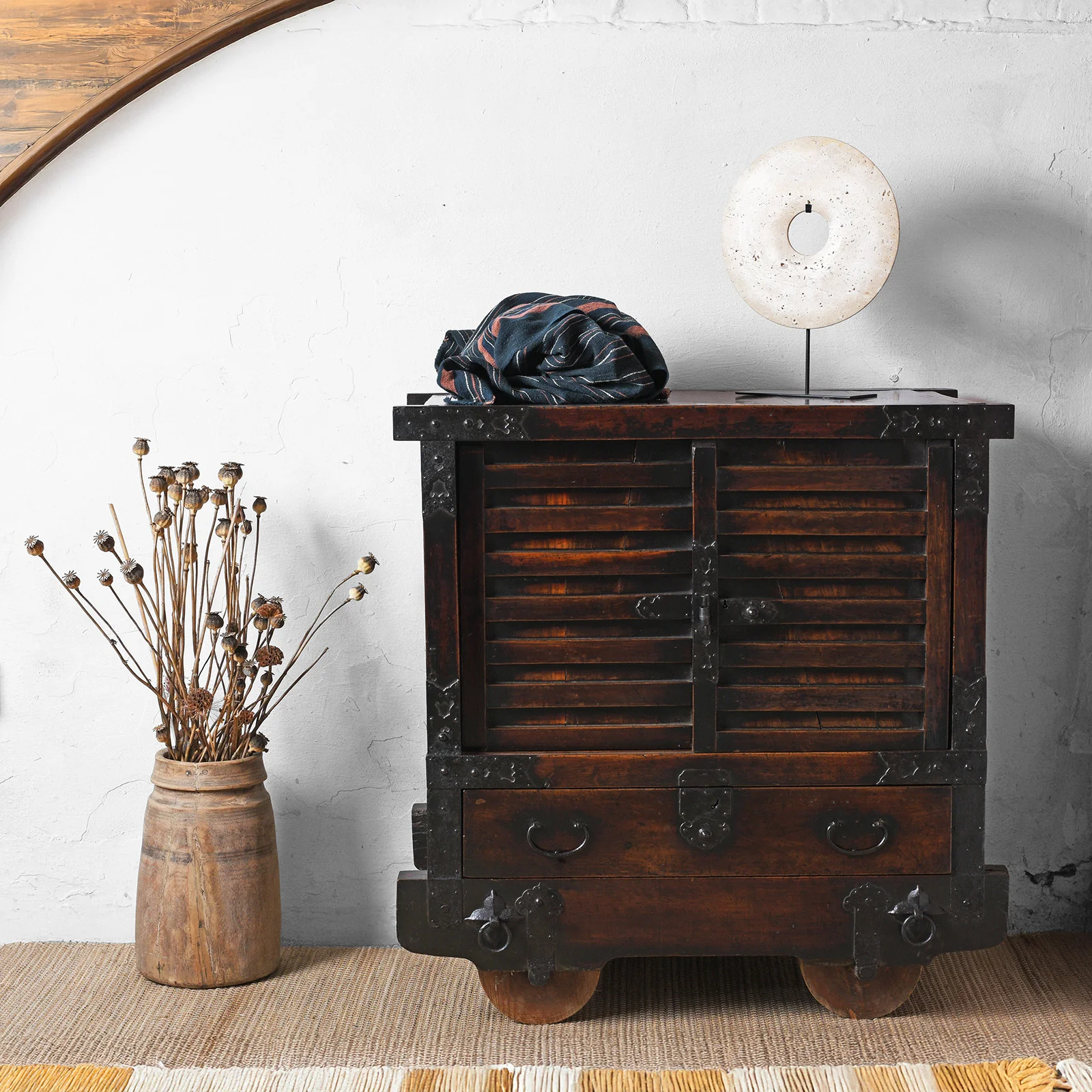
Japanese Kuruma Dansu From Yonezawa - Edo Period
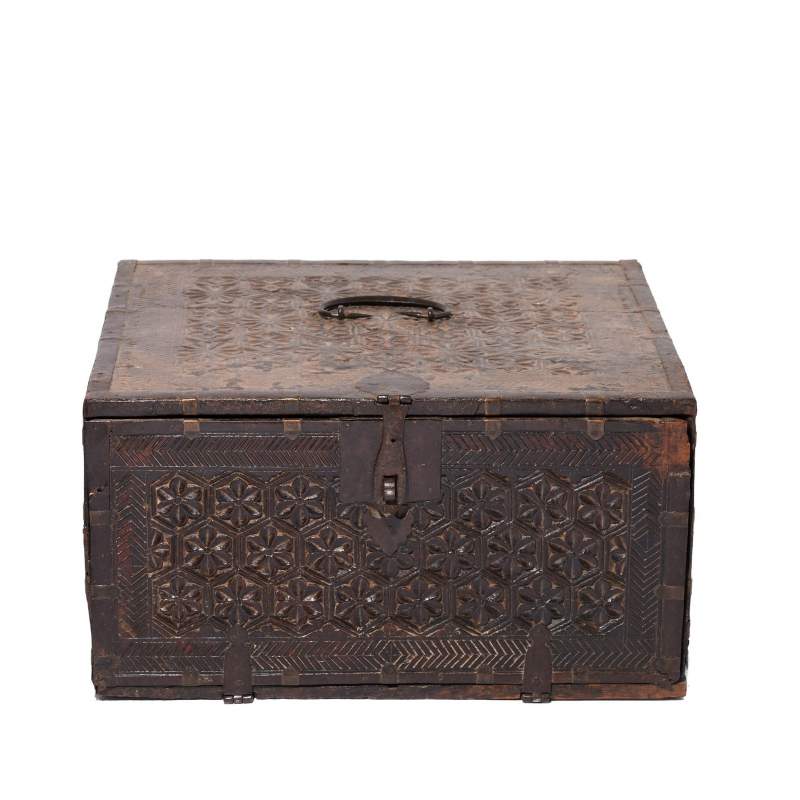
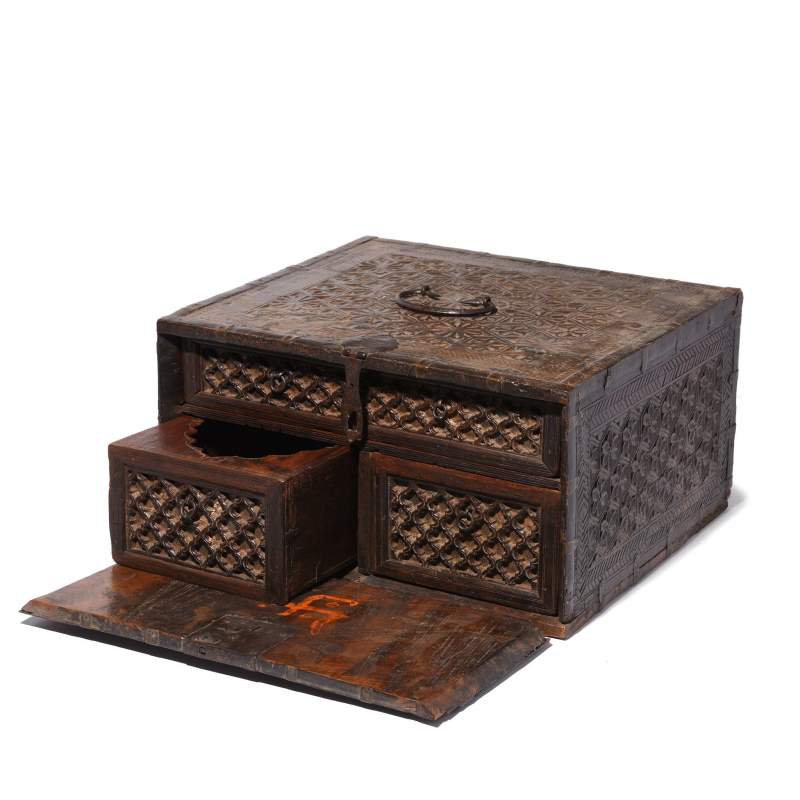
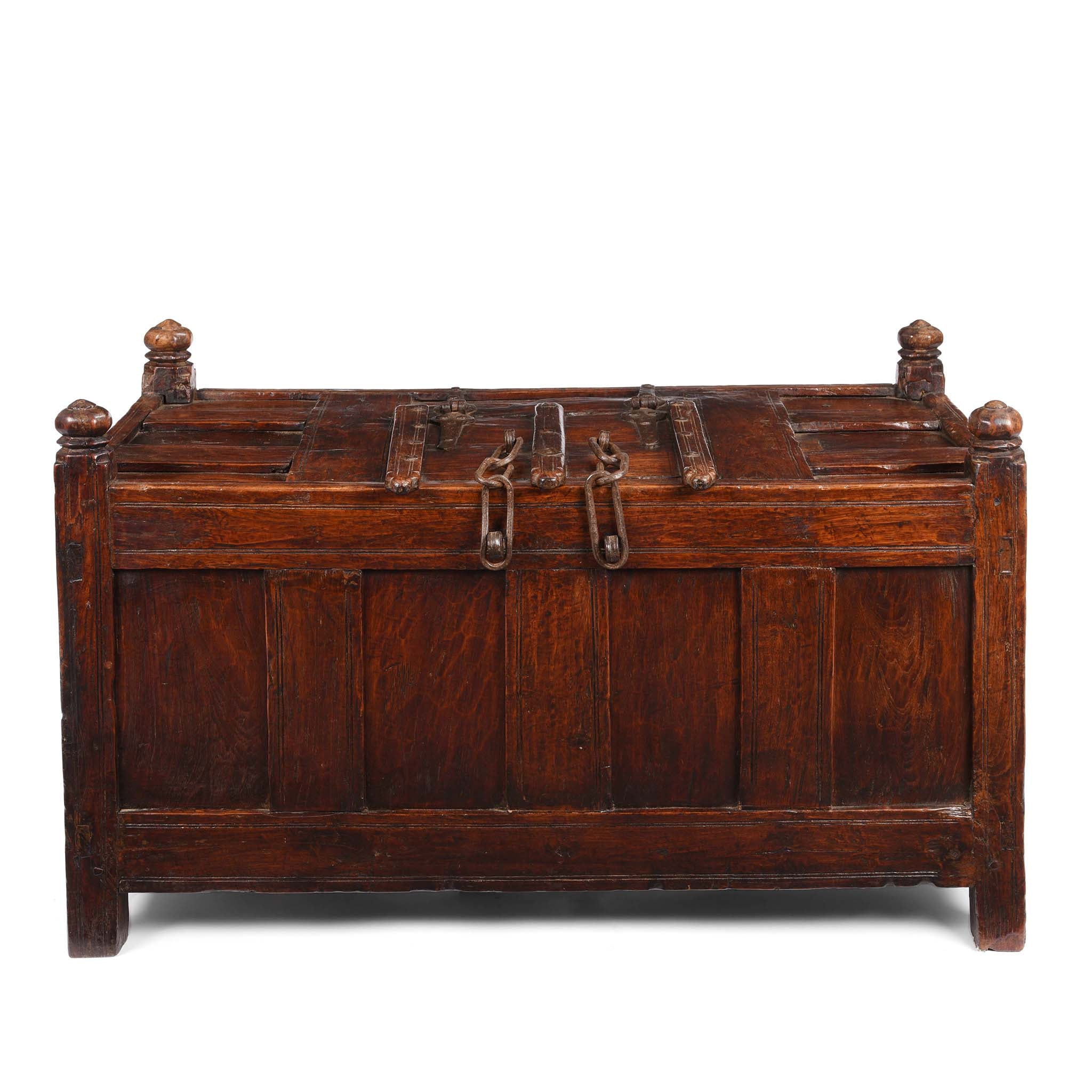
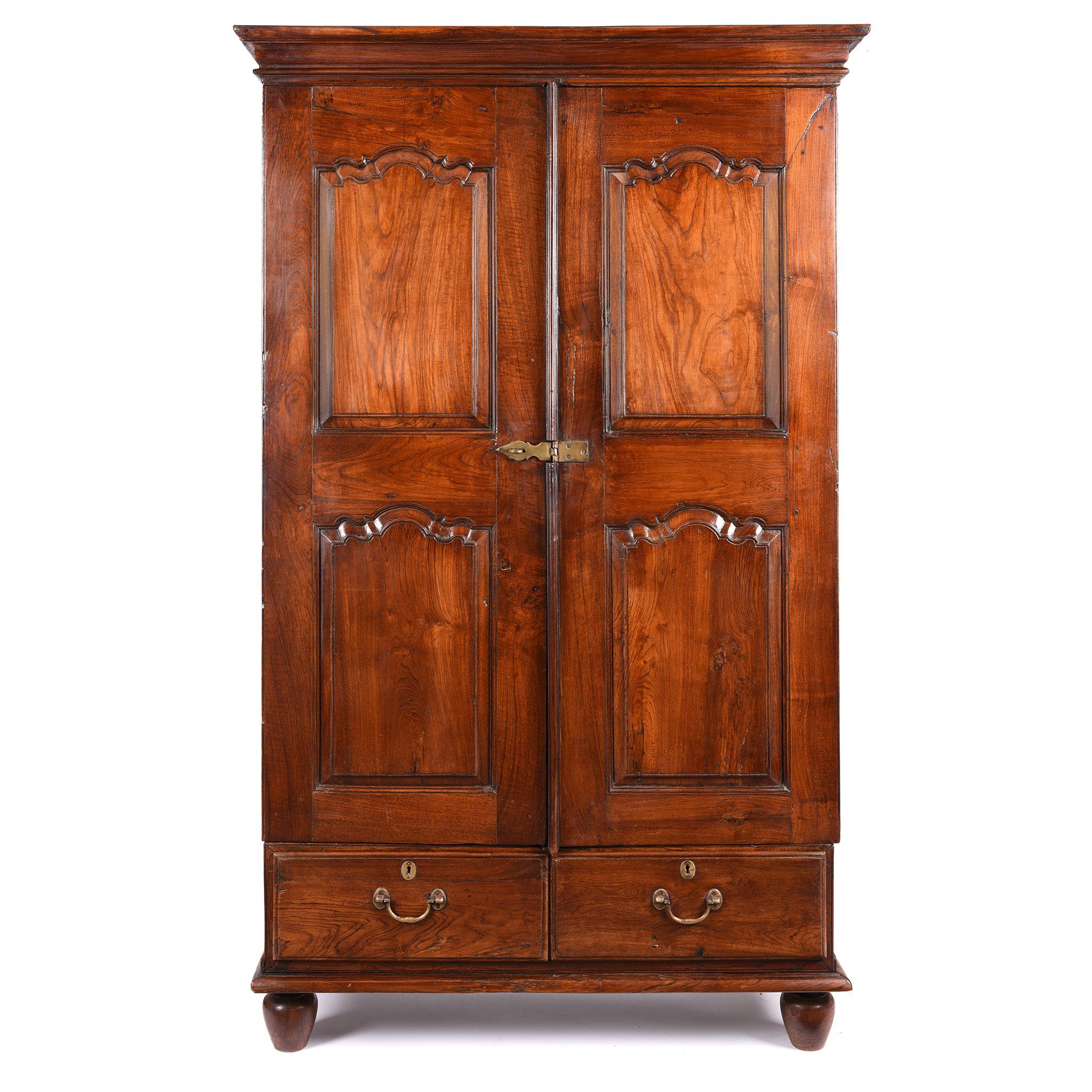
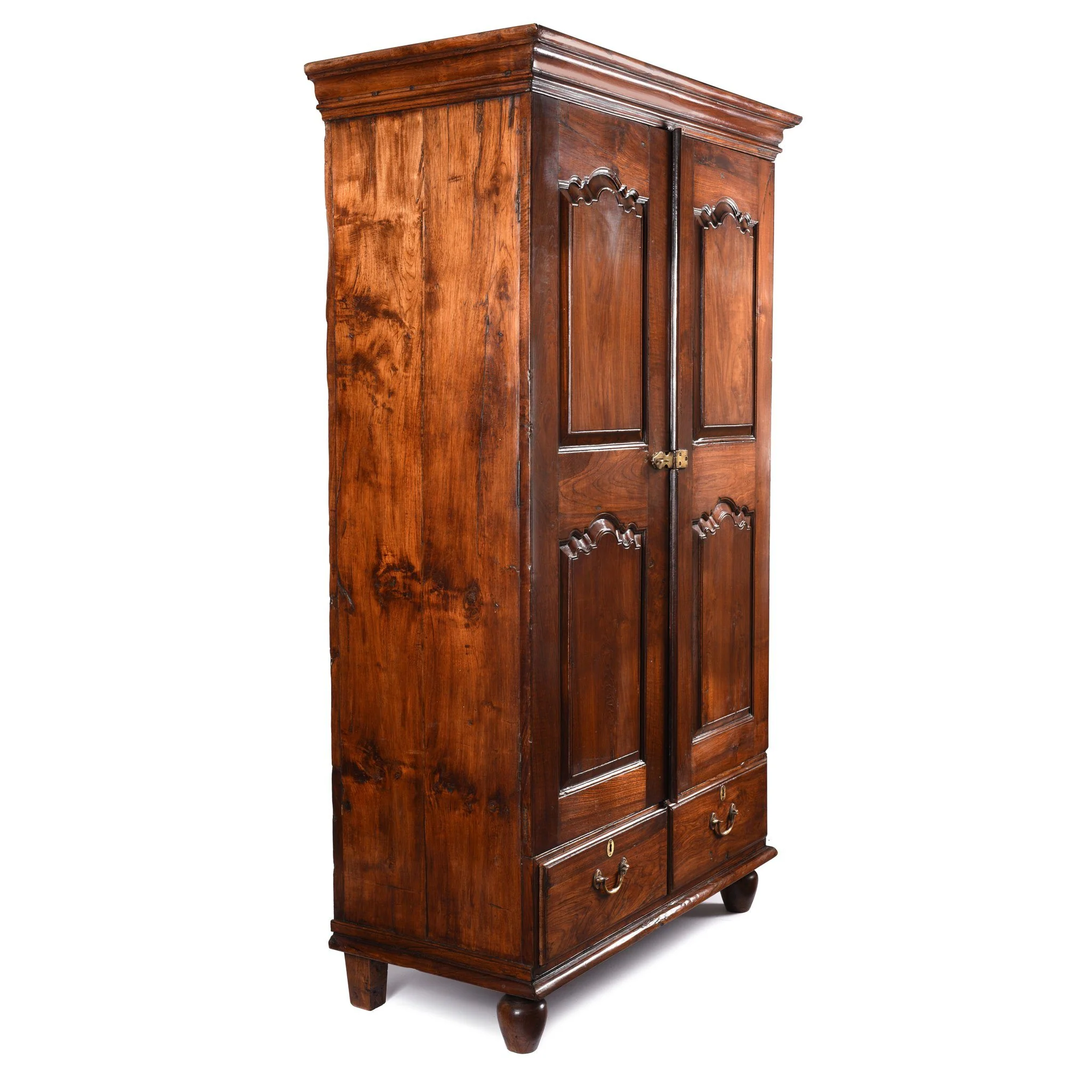
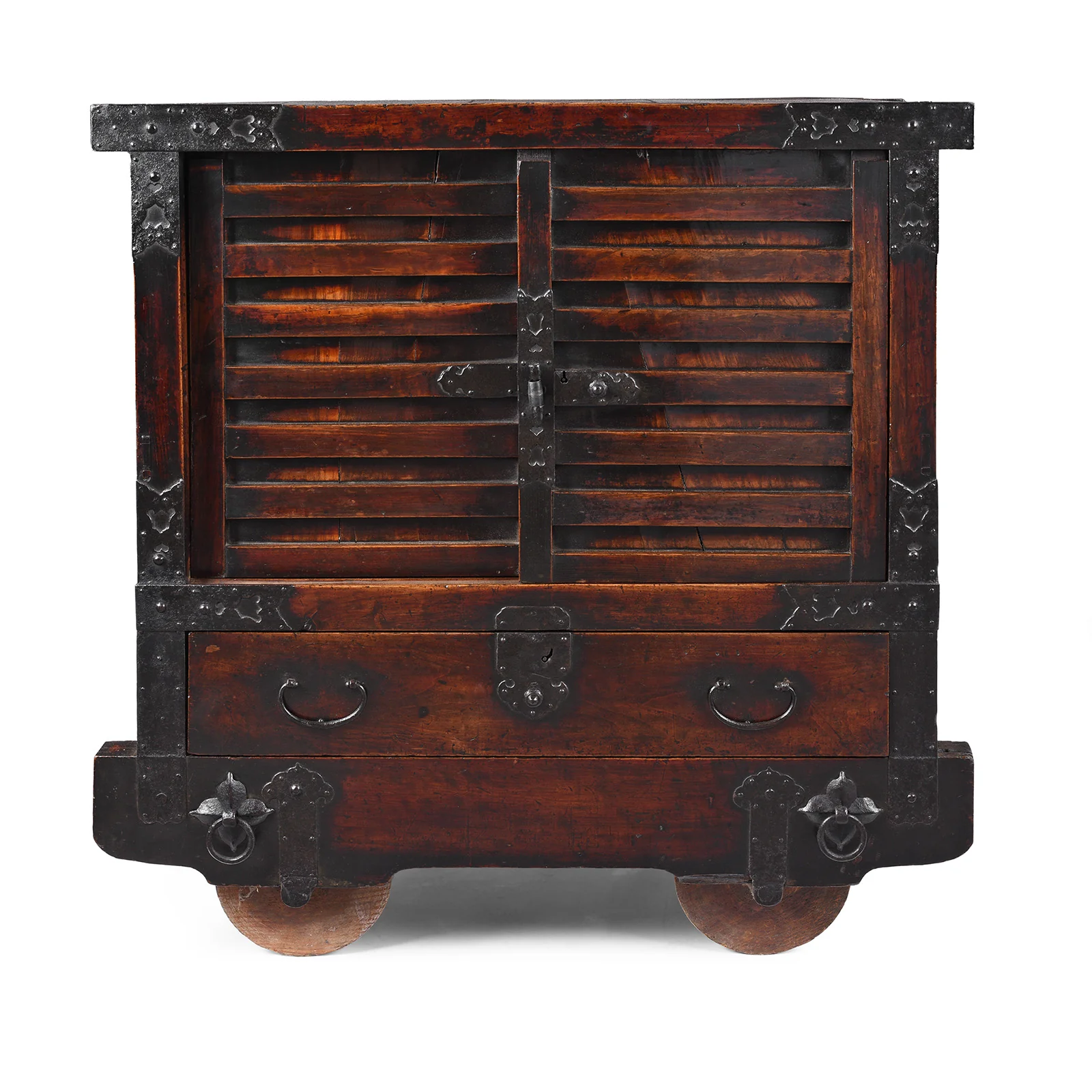
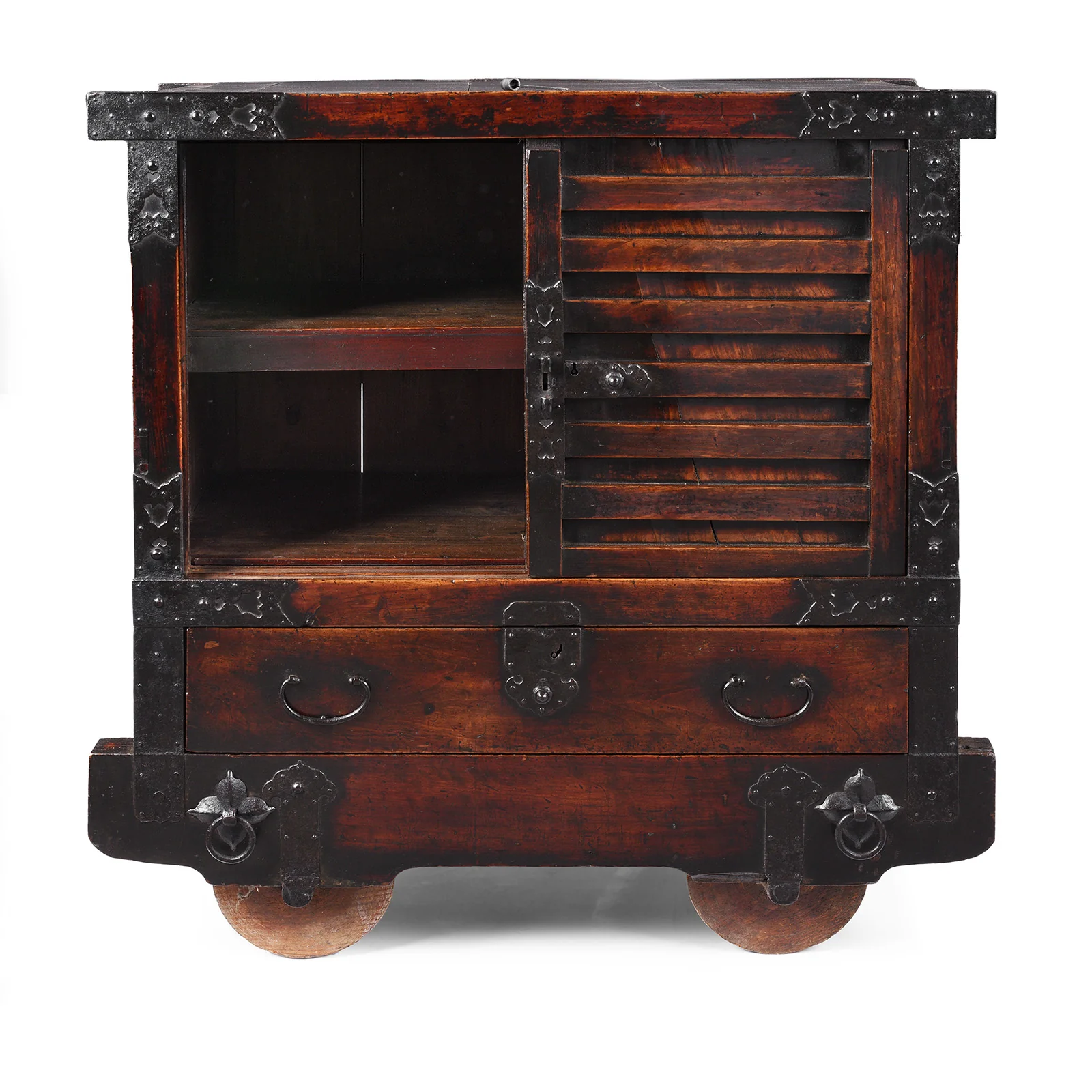
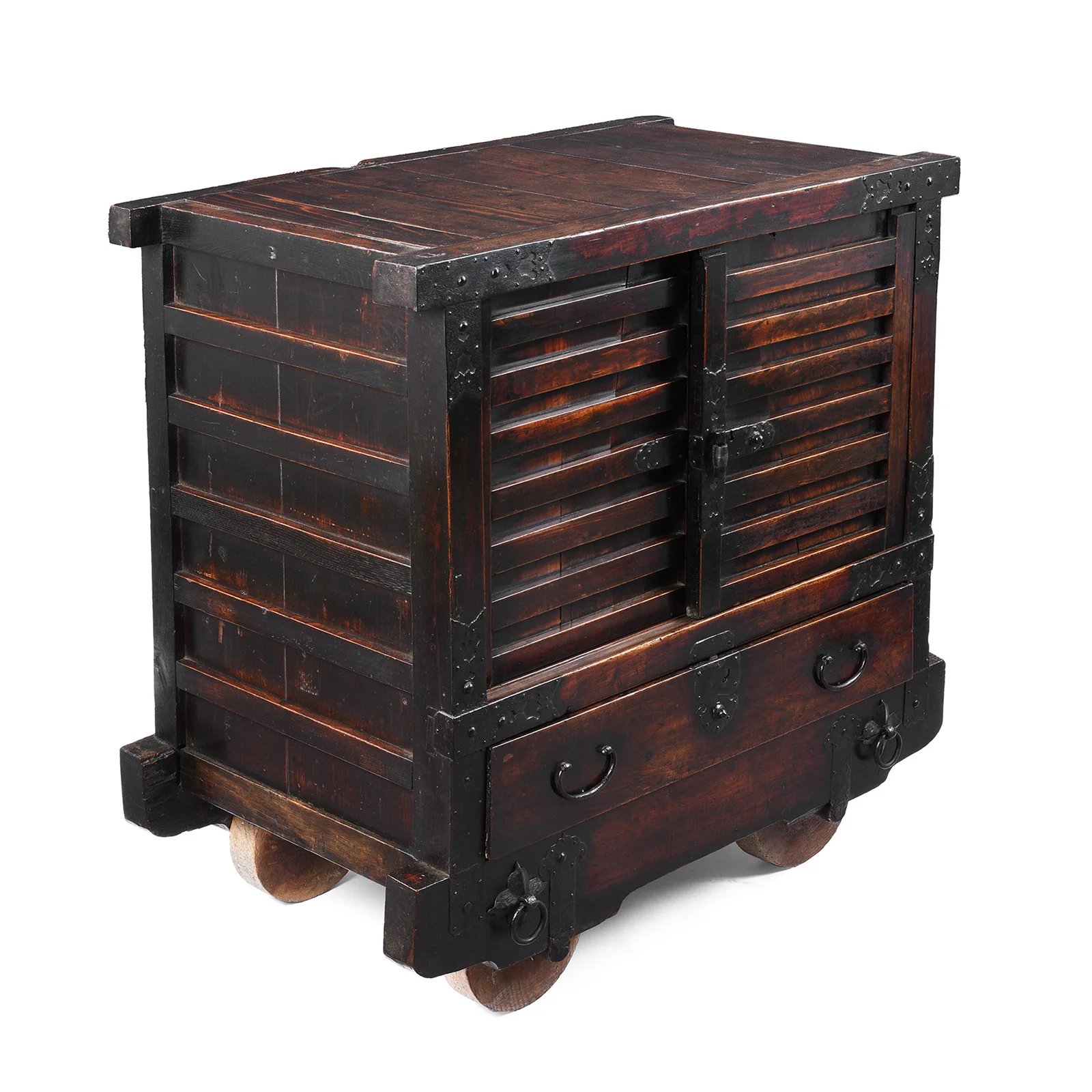
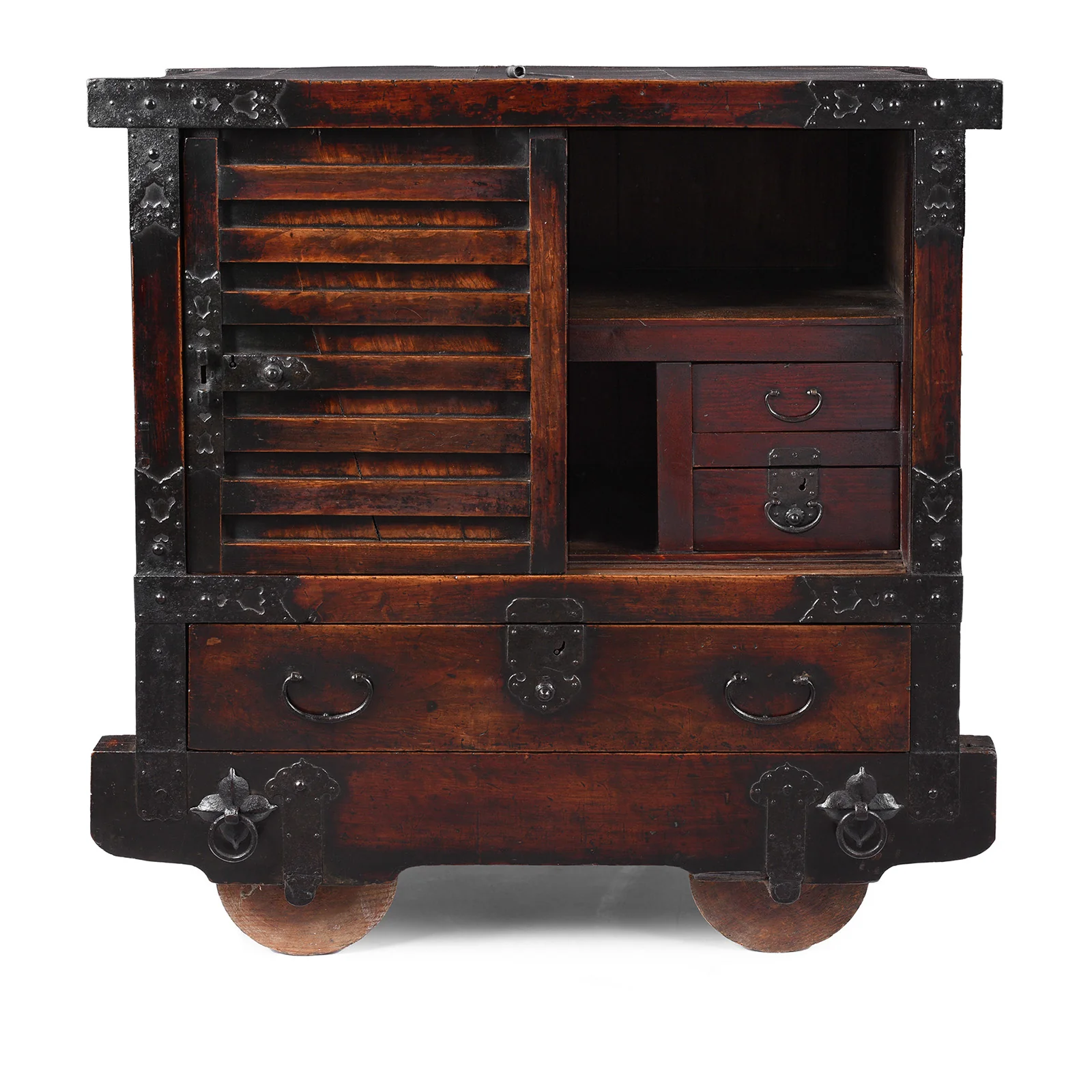
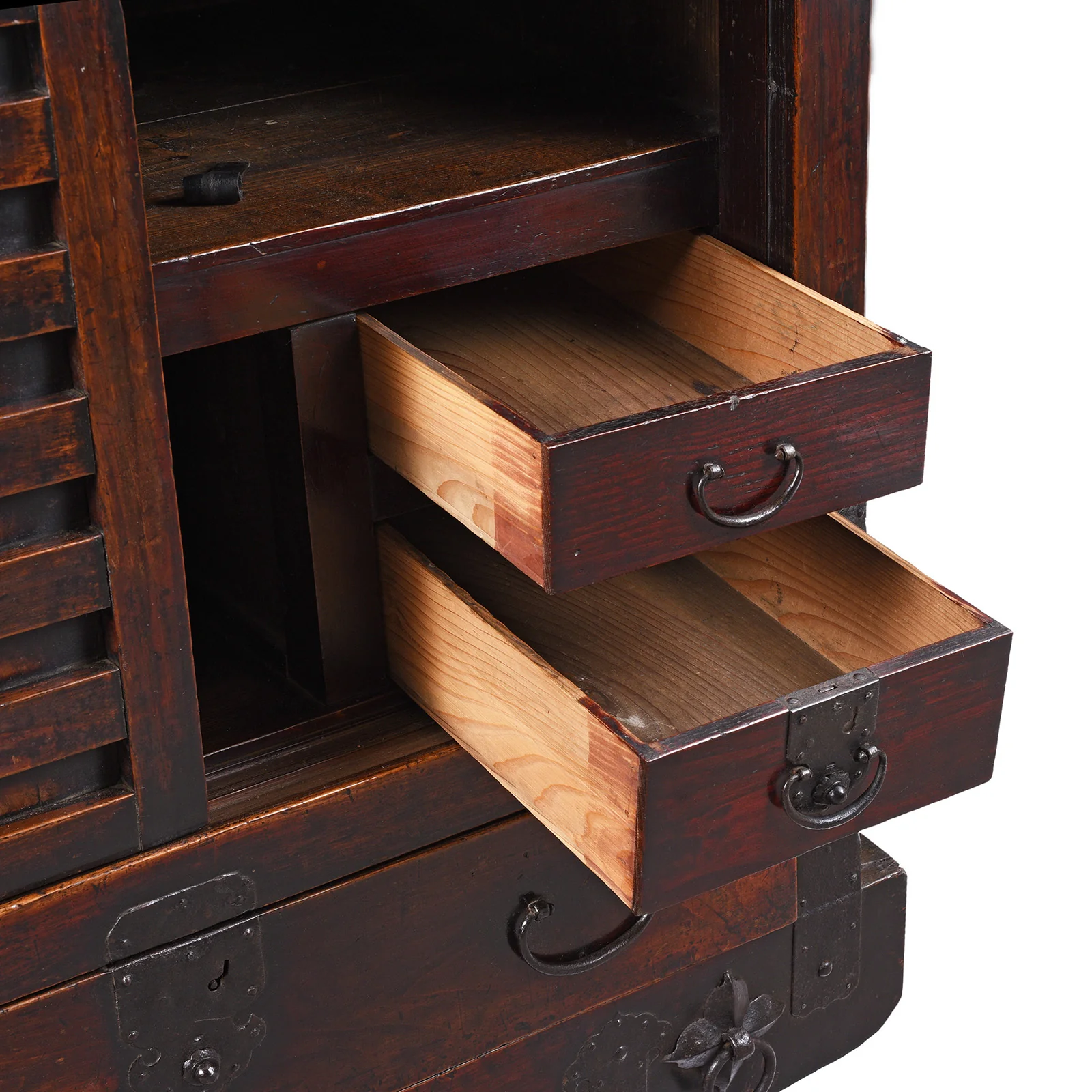
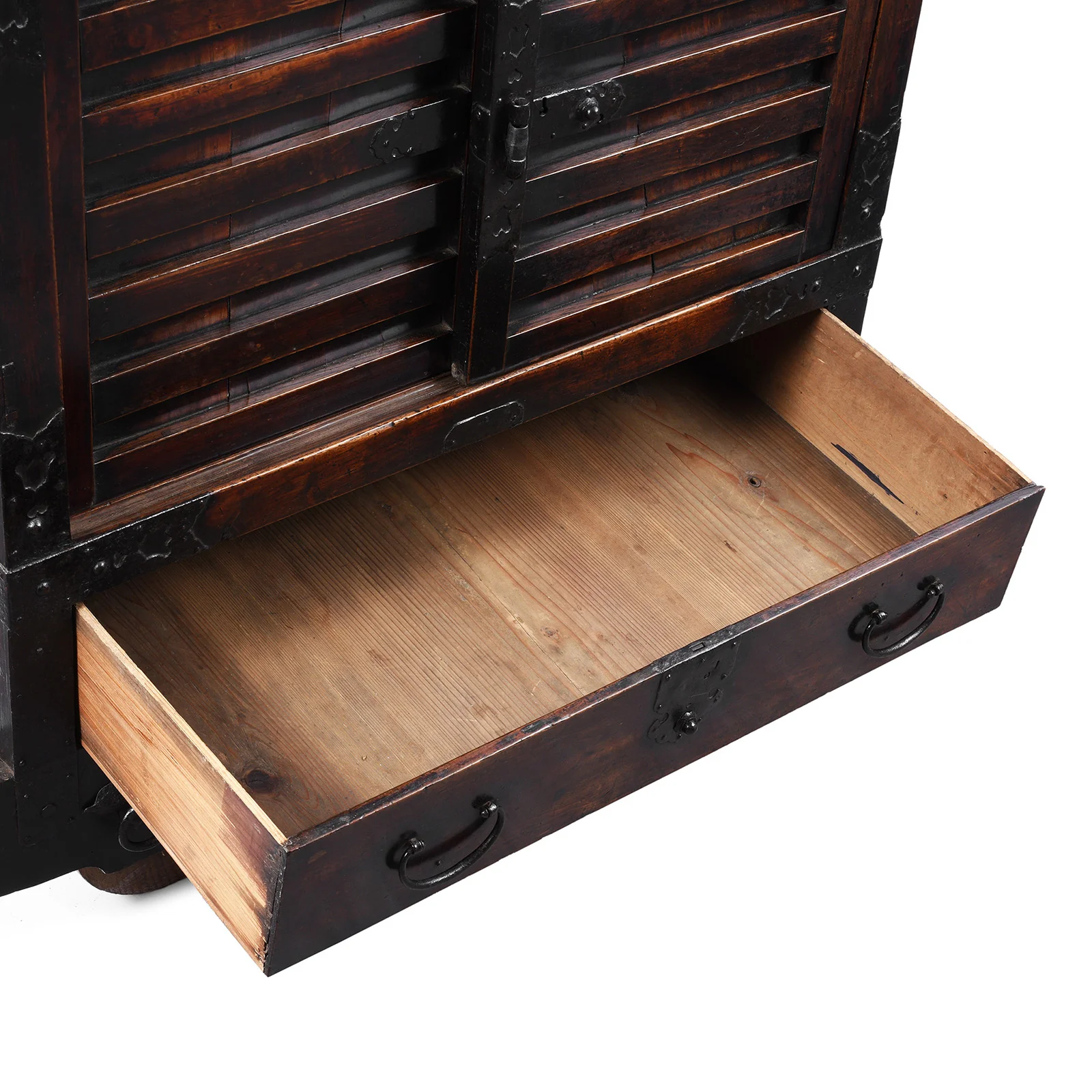
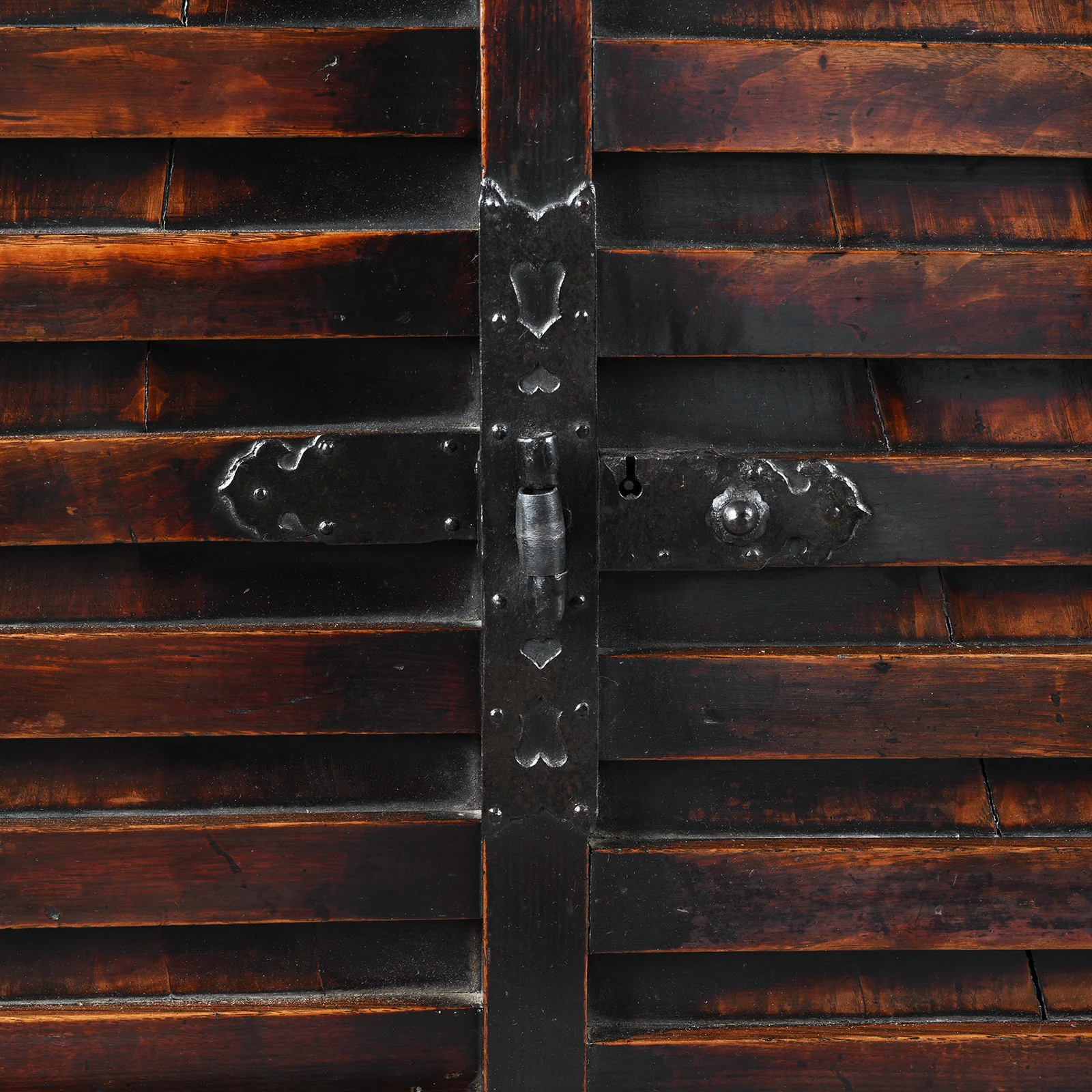
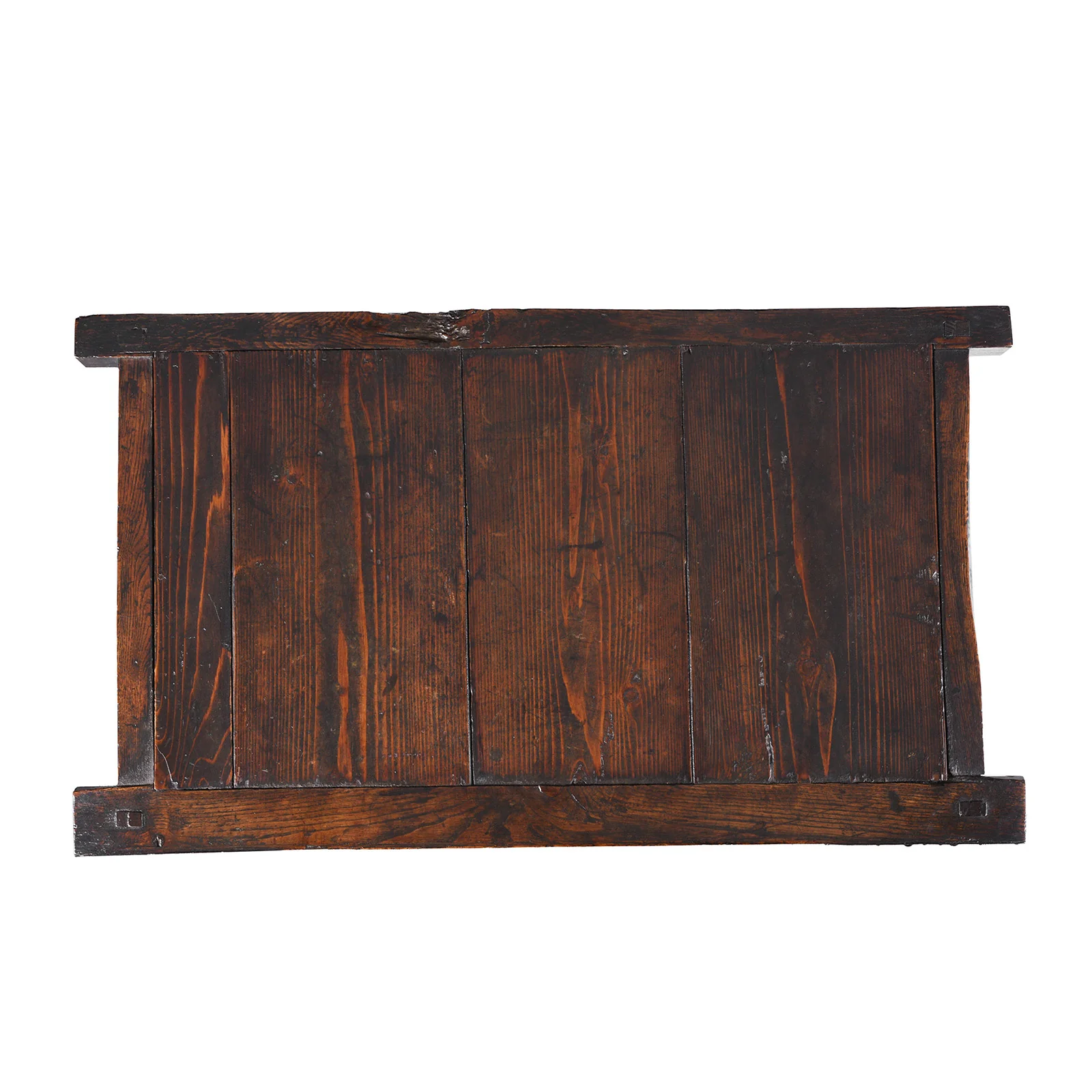
This antique Japanese Kuruma Dansu dates from the Edo period which ran from 1603 and ended in 1867. It has sliding doors which reveal a storage compartment with a shelf on the left and two drawers with storage above on the right. There is also an additional large drawer running along the base of the piece.
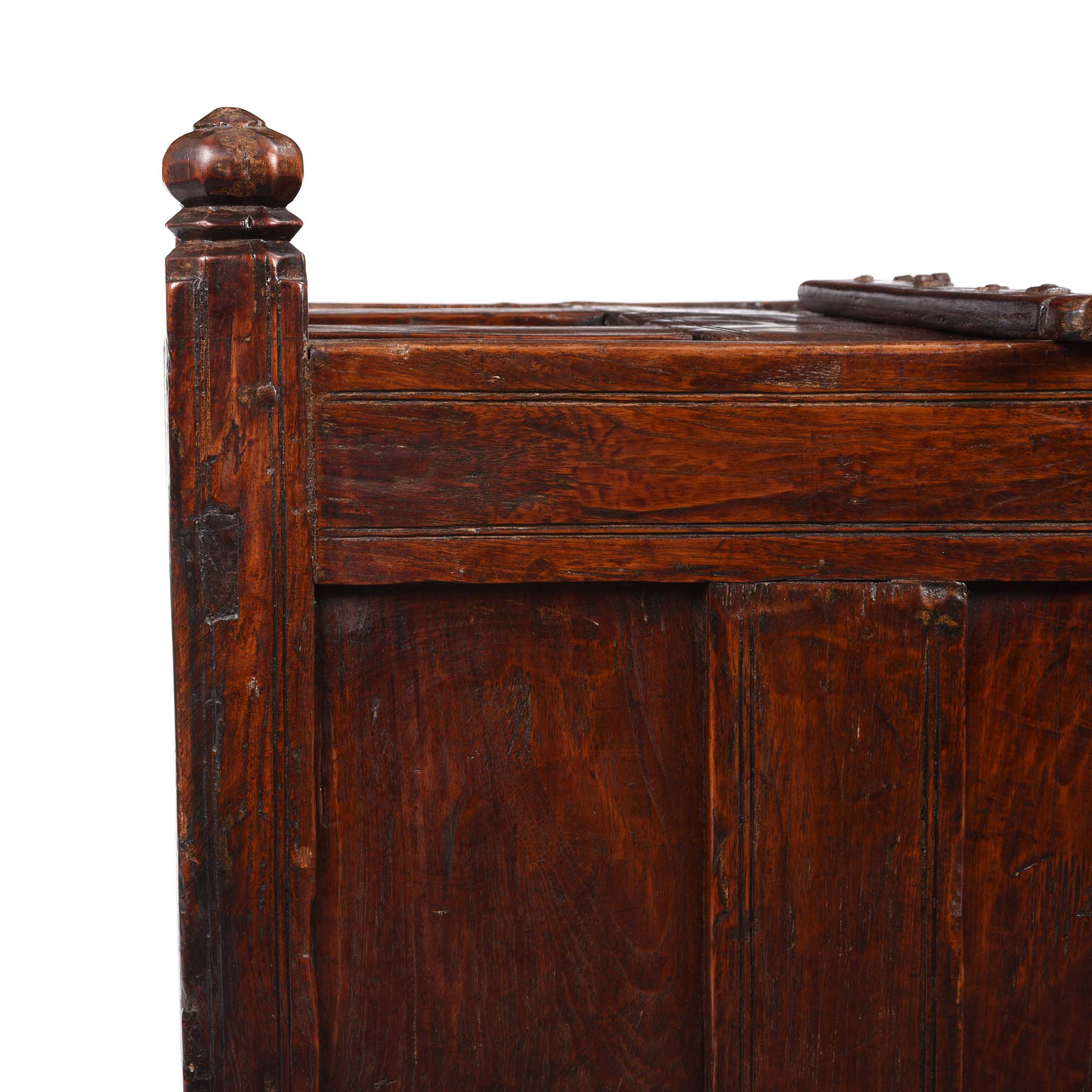
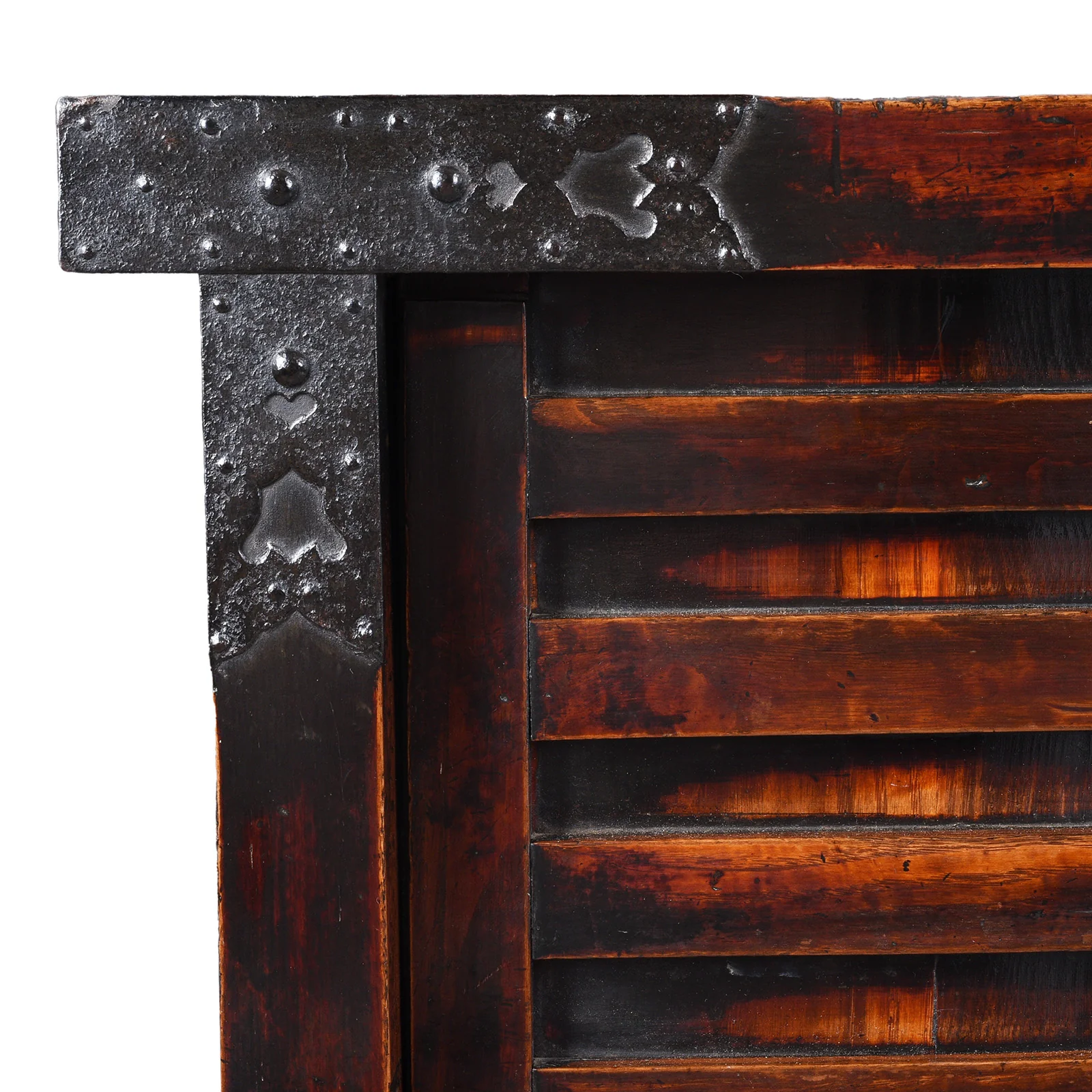
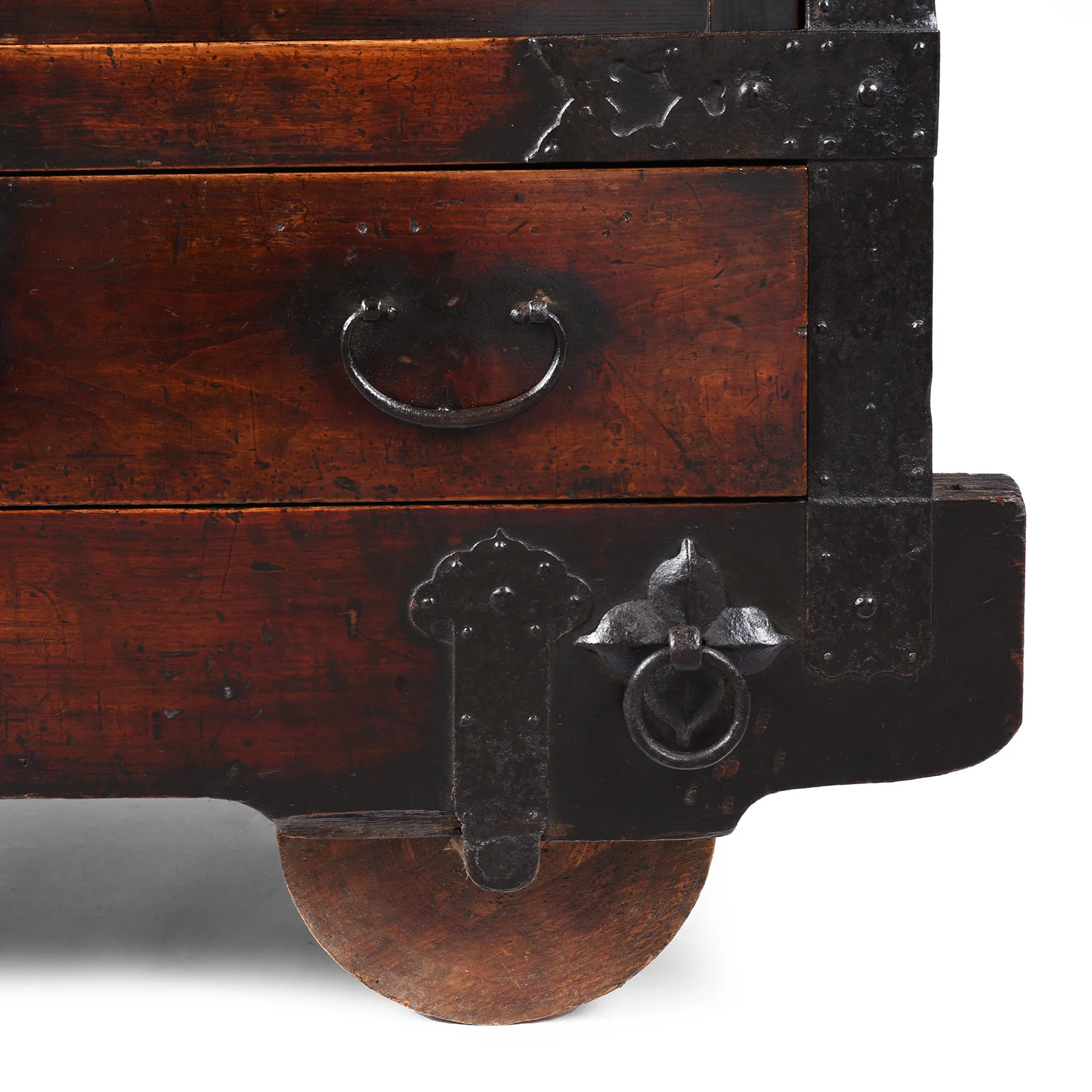
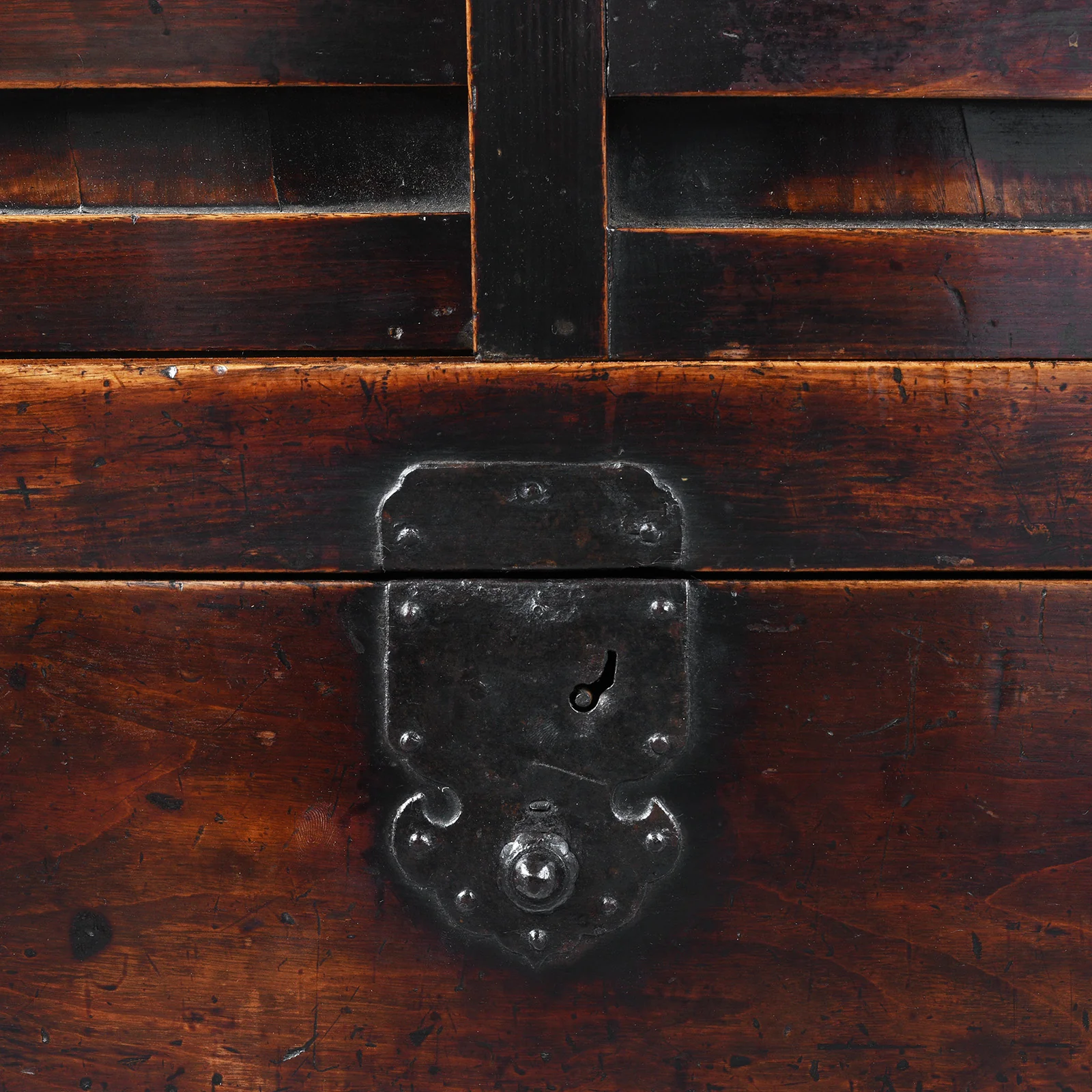
This tansu chest has developed a wonderful rich patina over time and comes with a unique central locking pin. It has also been mounted on four wheels to allow for easy movement even when fully loaded.
From Yonezawa.
References:
For a similar example, see Tansu: Traditional Japanese Cabinetry by T & K Heineken, Figure 157 - 59 which is in the Tokyo furniture museum.
Original: $3,615.30
-65%$3,615.30
$1,265.36More Images
Japanese Kuruma Dansu From Yonezawa - Edo Period
This antique Japanese Kuruma Dansu dates from the Edo period which ran from 1603 and ended in 1867. It has sliding doors which reveal a storage compartment with a shelf on the left and two drawers with storage above on the right. There is also an additional large drawer running along the base of the piece.
This tansu chest has developed a wonderful rich patina over time and comes with a unique central locking pin. It has also been mounted on four wheels to allow for easy movement even when fully loaded.
From Yonezawa.
References:
For a similar example, see Tansu: Traditional Japanese Cabinetry by T & K Heineken, Figure 157 - 59 which is in the Tokyo furniture museum.
Product Information
Product Information
Shipping & Returns
Shipping & Returns
Description
This antique Japanese Kuruma Dansu dates from the Edo period which ran from 1603 and ended in 1867. It has sliding doors which reveal a storage compartment with a shelf on the left and two drawers with storage above on the right. There is also an additional large drawer running along the base of the piece.
This tansu chest has developed a wonderful rich patina over time and comes with a unique central locking pin. It has also been mounted on four wheels to allow for easy movement even when fully loaded.
From Yonezawa.
References:
For a similar example, see Tansu: Traditional Japanese Cabinetry by T & K Heineken, Figure 157 - 59 which is in the Tokyo furniture museum.