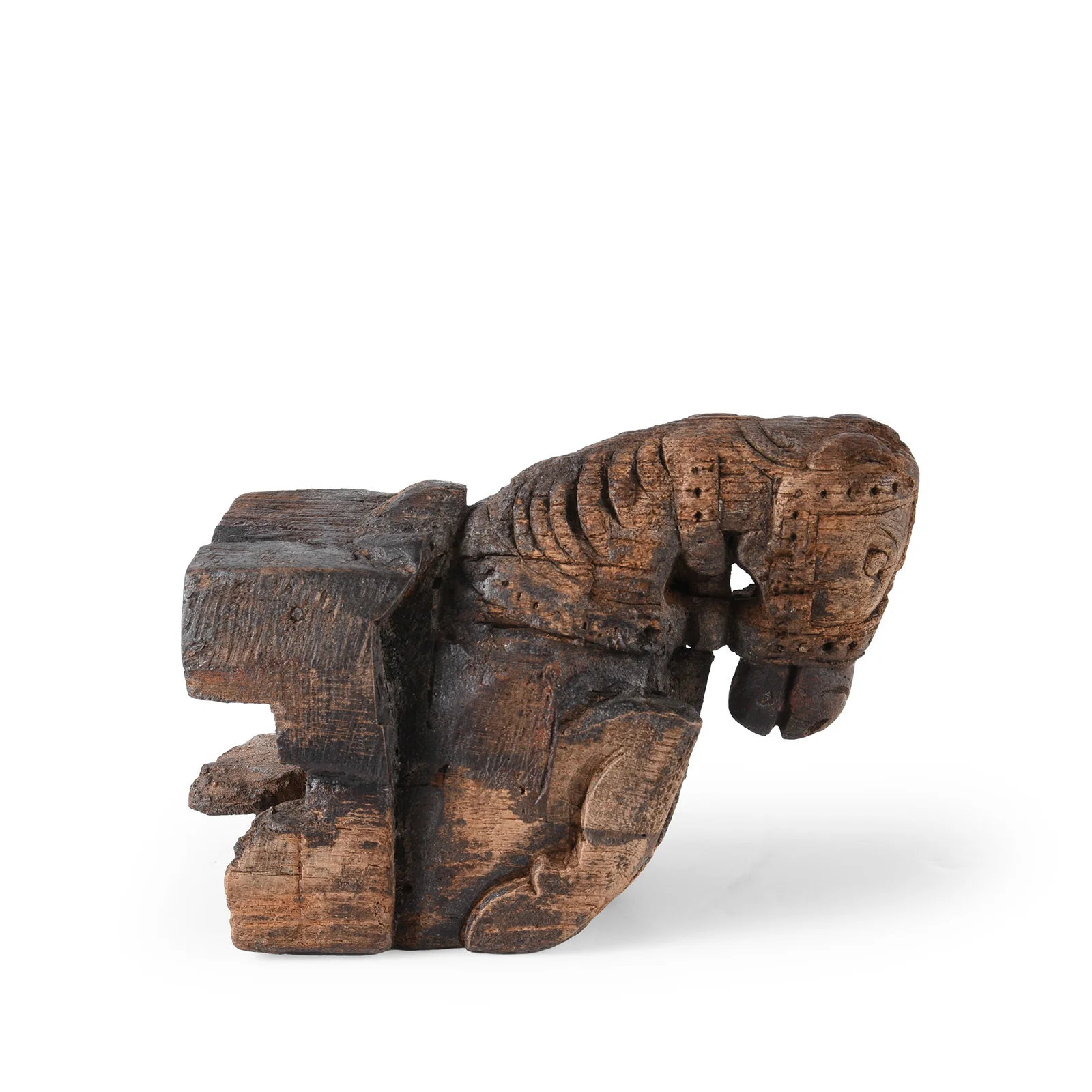
Horse Khunti Turban Hanger - 19th Century
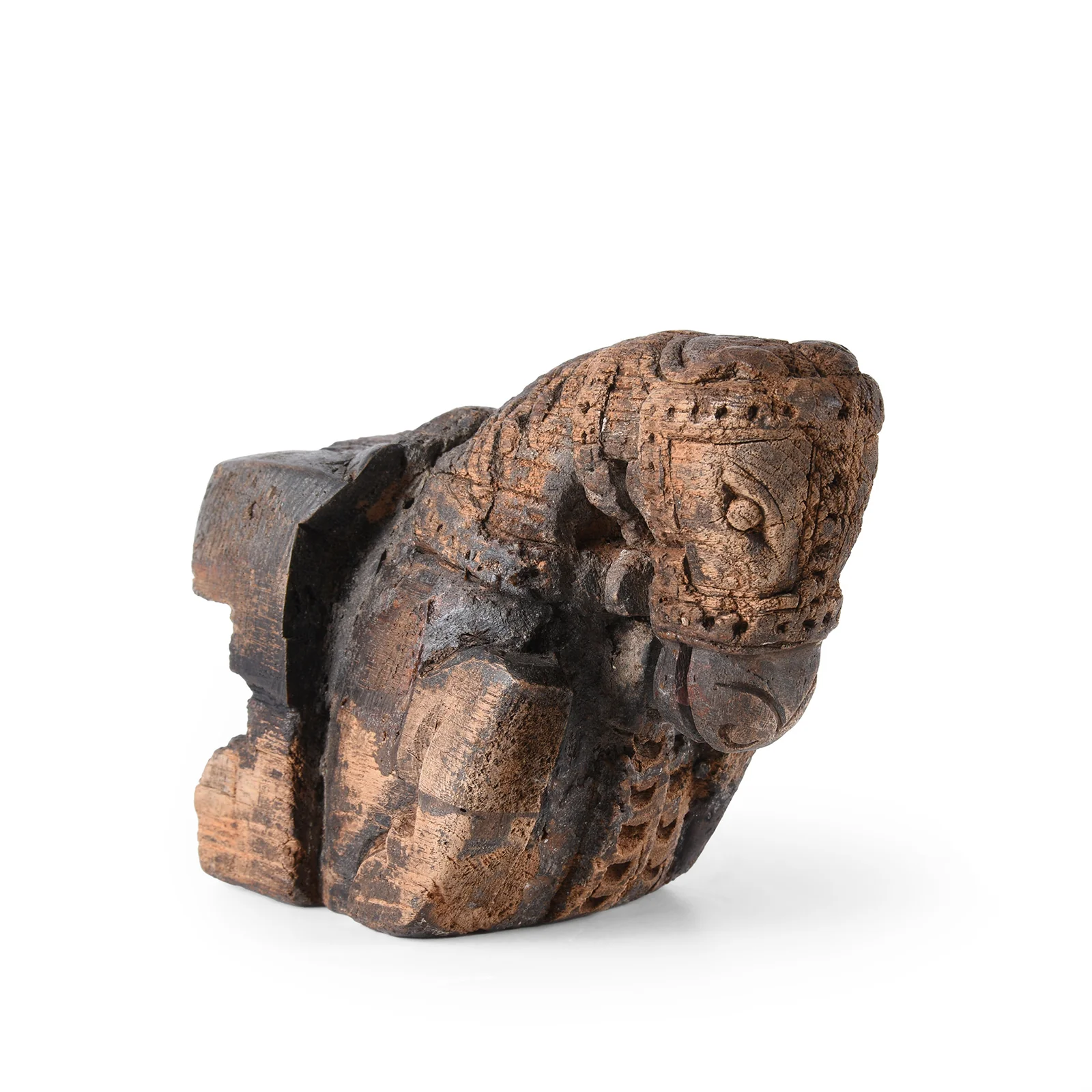
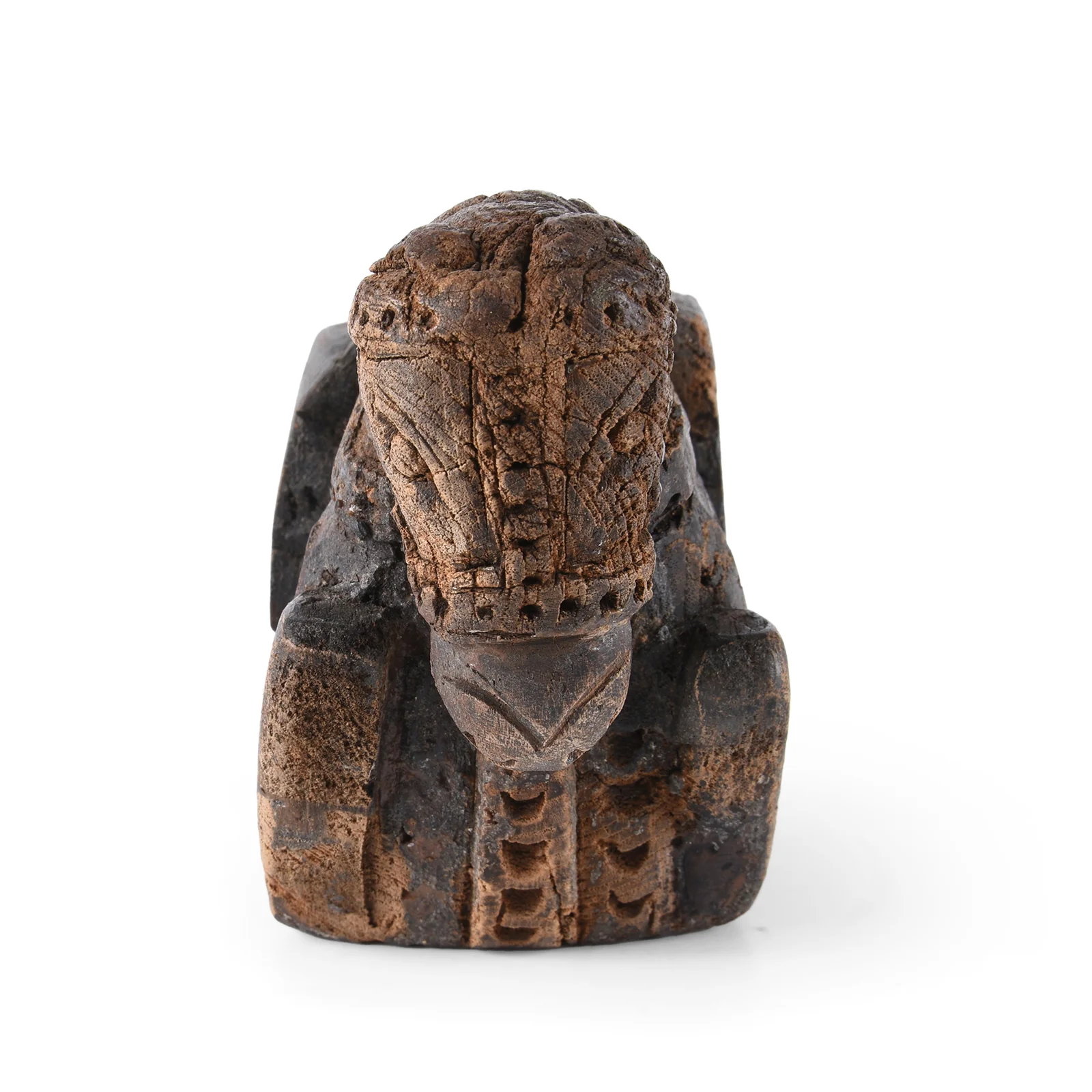
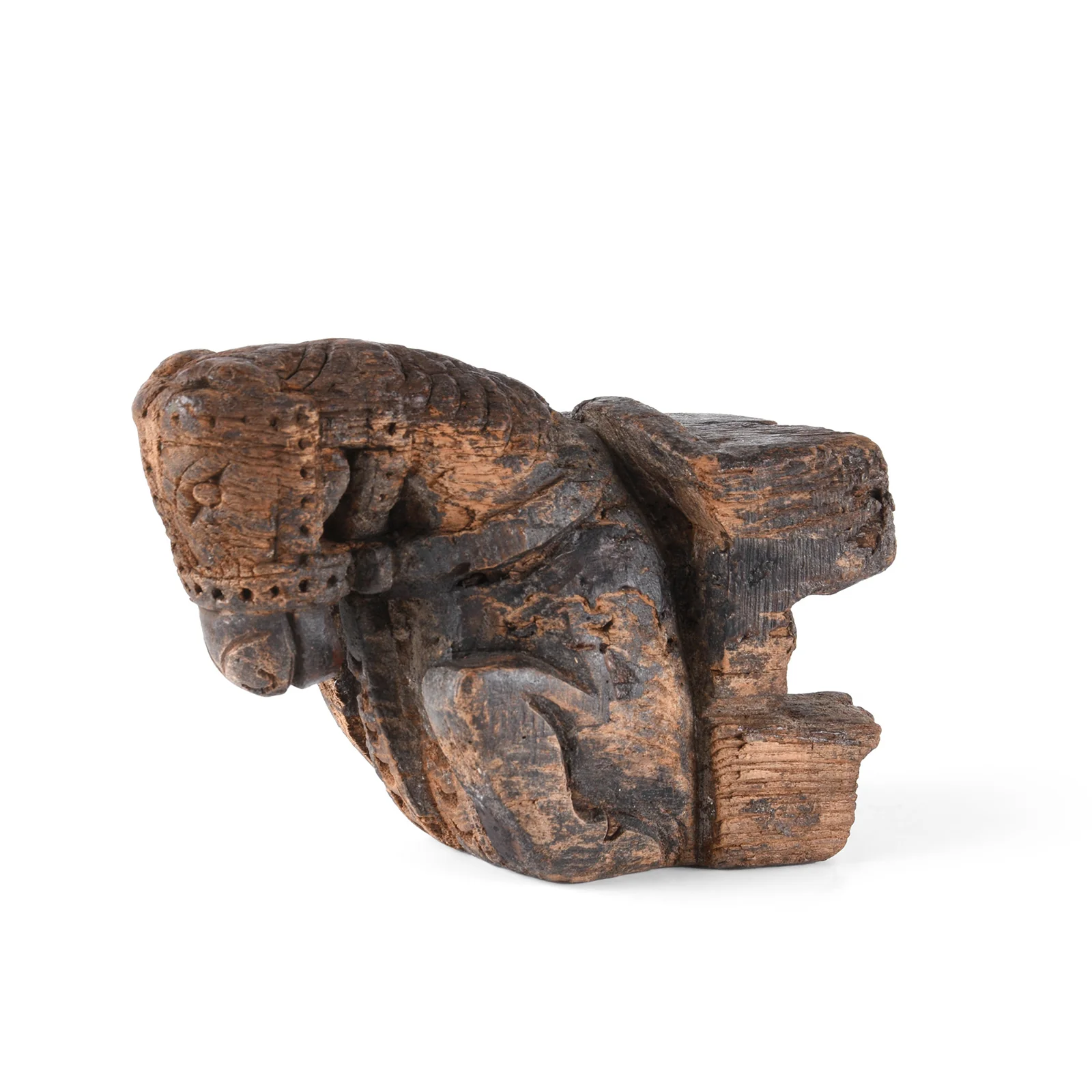
This Indian teak turban hanger (called a khunti in Hindi) has been carved in the shape of a horse. Originating in Dungarpur in the Banswara tribal area of Rajasthan, this would have been used daily for turbans or a clothes peg They are often seen in palaces & houses of the wealthier classes, normally plastered into the wall, other animals like peacocks and parrots are quite common too.
A unique and quirky piece of social history, a decorative conversation piece.
More Images
Horse Khunti Turban Hanger - 19th Century
This Indian teak turban hanger (called a khunti in Hindi) has been carved in the shape of a horse. Originating in Dungarpur in the Banswara tribal area of Rajasthan, this would have been used daily for turbans or a clothes peg They are often seen in palaces & houses of the wealthier classes, normally plastered into the wall, other animals like peacocks and parrots are quite common too.
A unique and quirky piece of social history, a decorative conversation piece.
Product Information
Product Information
Shipping & Returns
Shipping & Returns
Description
This Indian teak turban hanger (called a khunti in Hindi) has been carved in the shape of a horse. Originating in Dungarpur in the Banswara tribal area of Rajasthan, this would have been used daily for turbans or a clothes peg They are often seen in palaces & houses of the wealthier classes, normally plastered into the wall, other animals like peacocks and parrots are quite common too.
A unique and quirky piece of social history, a decorative conversation piece.