Lacquer Pot From Rajasthan - Ca 1920
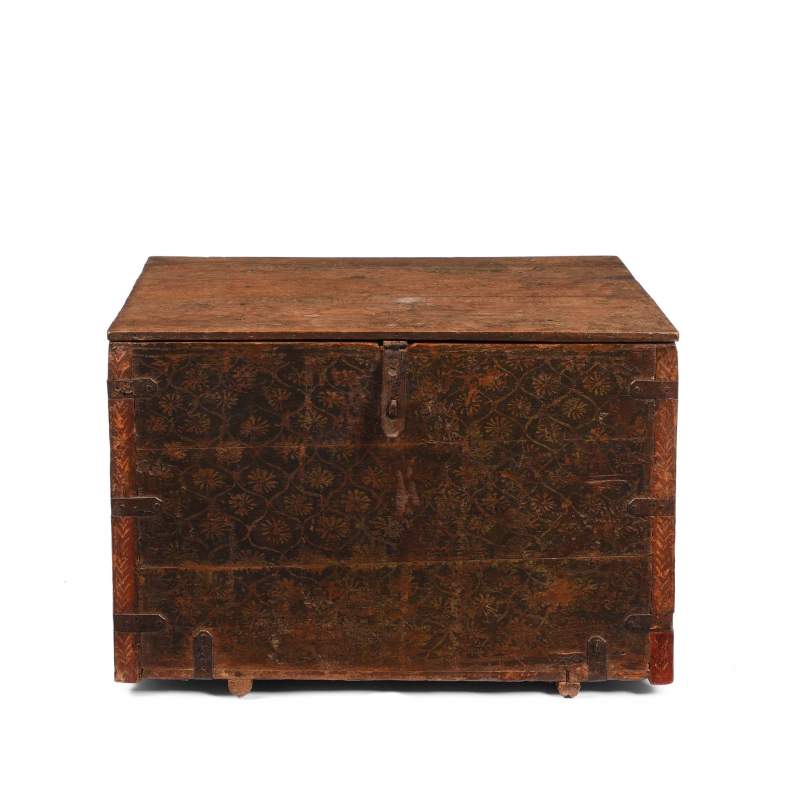
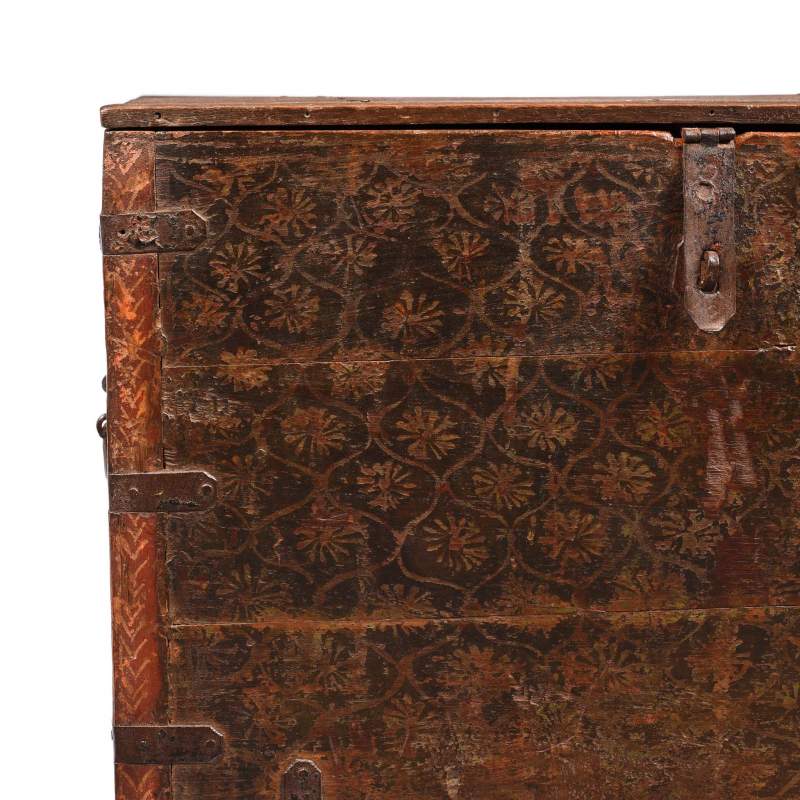
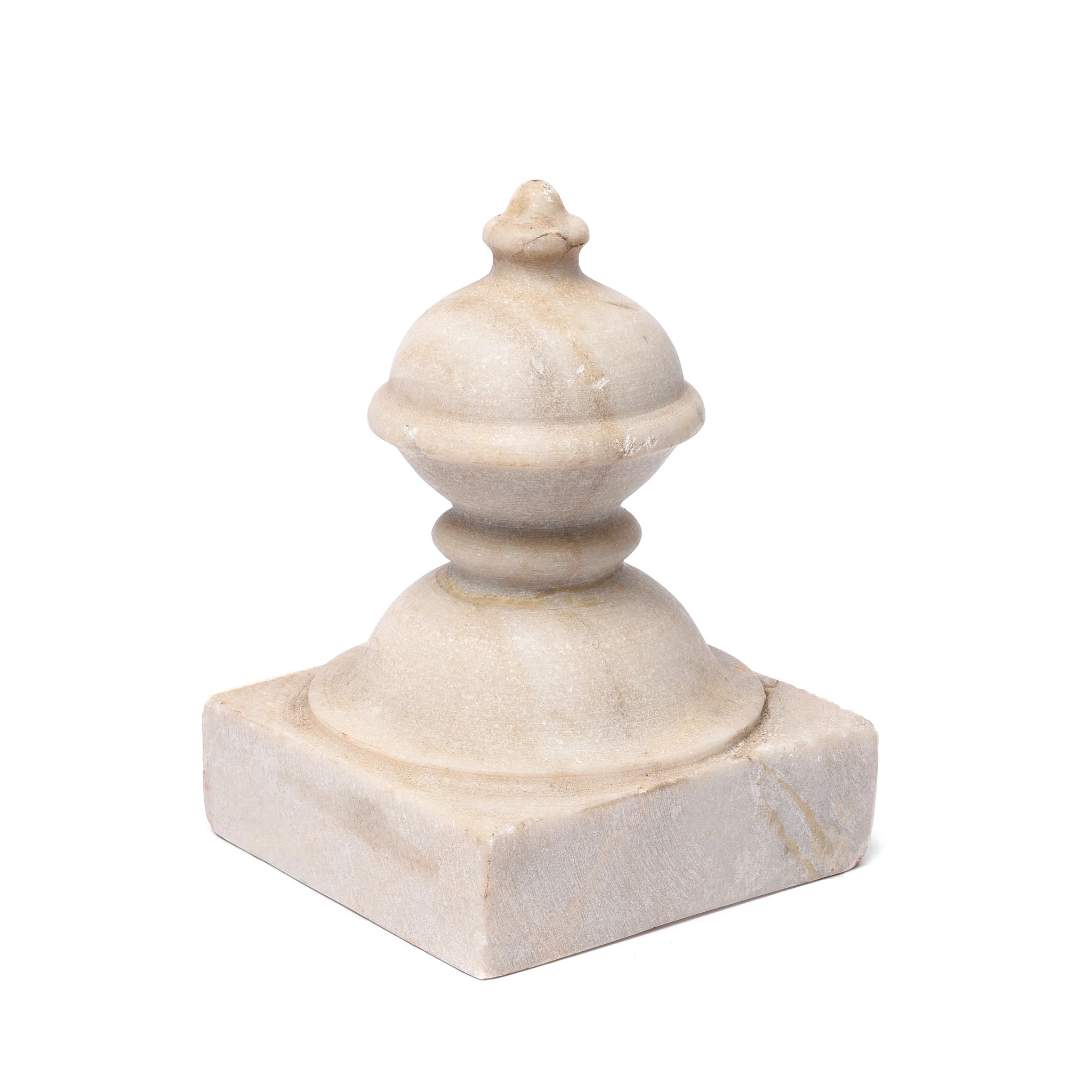
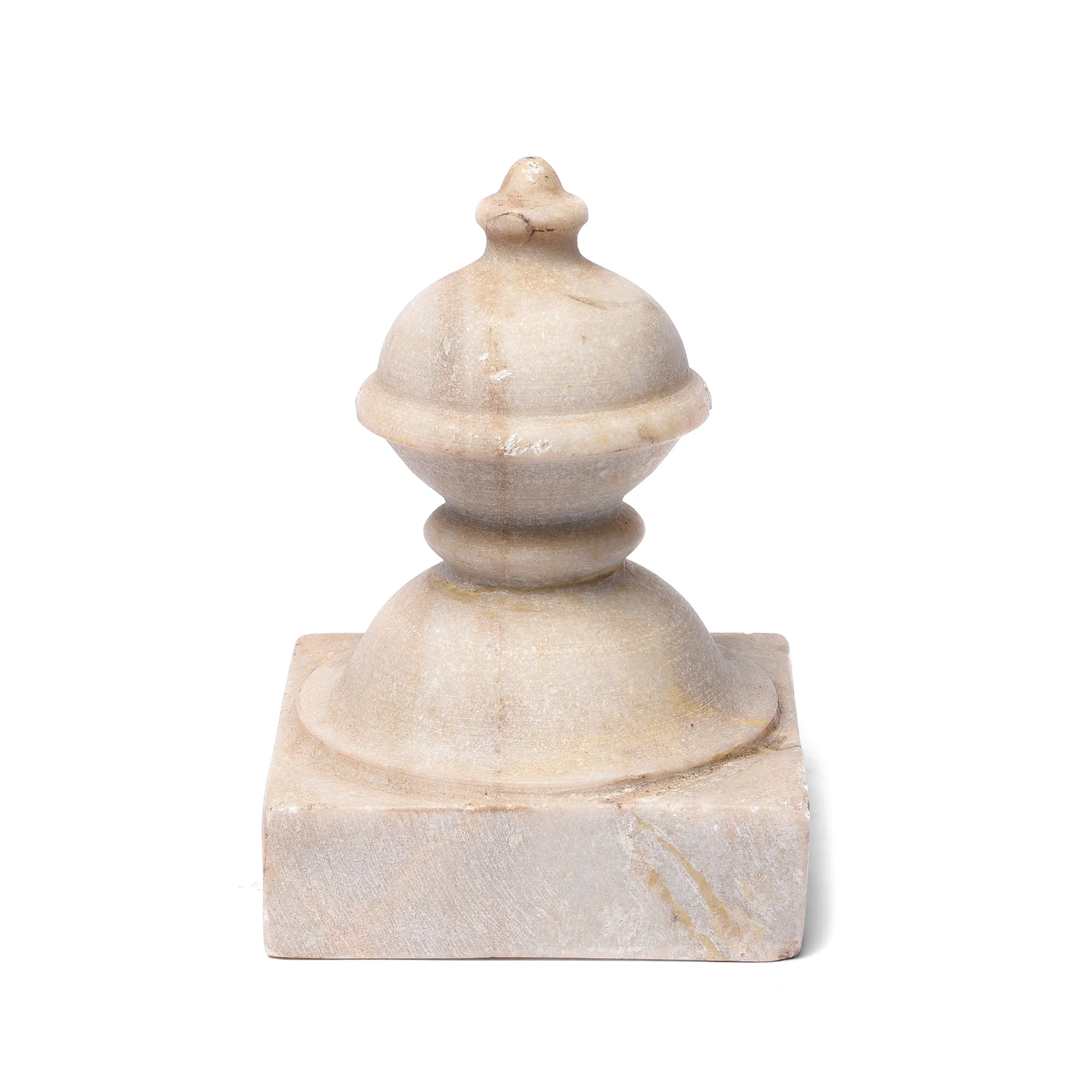
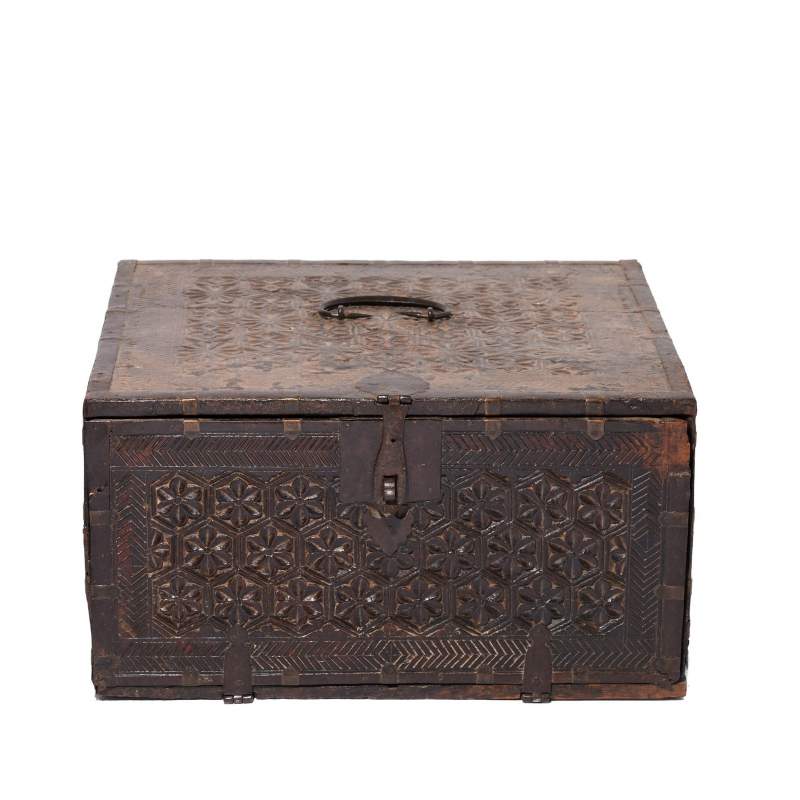
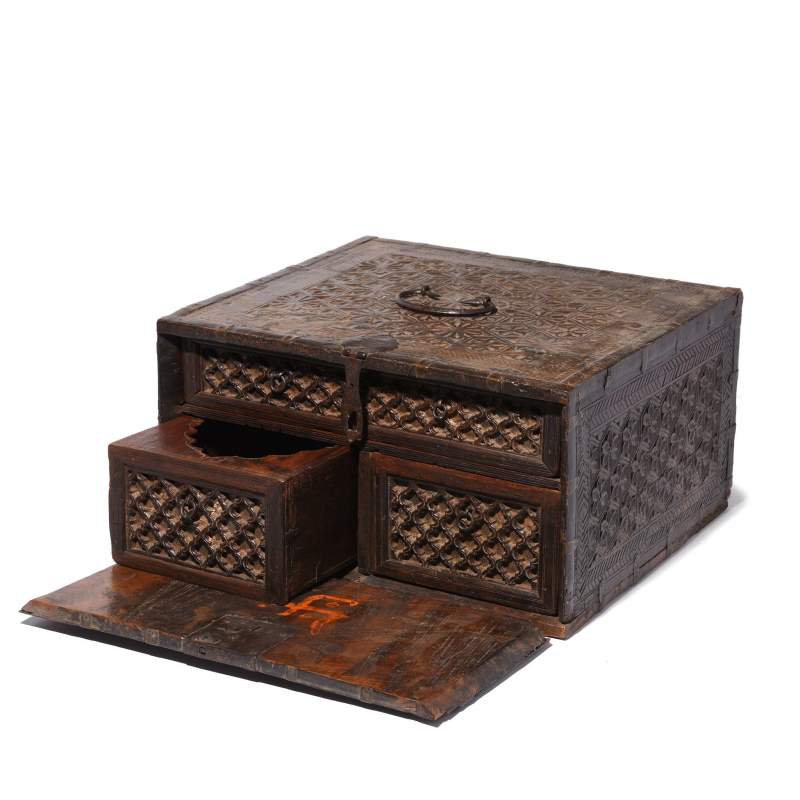
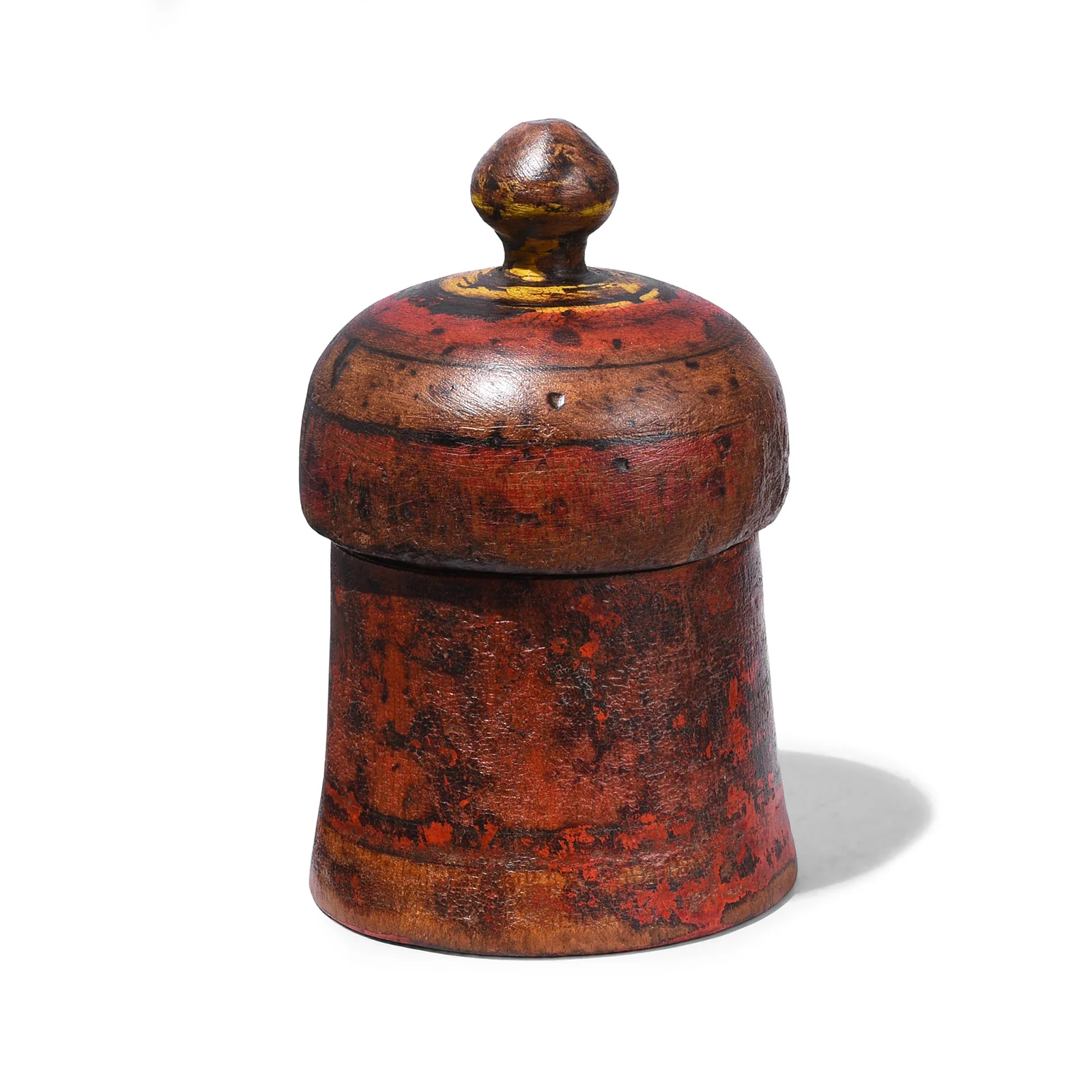
These carved teak wood tika boxes from the Banswara tribal region of Rajasthan are fine examples of traditional village craftsmanship. Typically carved from a single block of teak wood, each box is fitted with a domed lid topped by a small finial. The surface retains traces of its original red and yellow pigments, worn with age into a rich, textured patina.
Such boxes were used to store the red powder (kumkum or sindoor) applied to the forehead as a tika mark or bindi, a ritual symbol of devotion, blessing, and protection in Hindu culture. Dating to the early 20th century and now over 100 years old, these pieces carry the heritage of rural ritual practices and tribal artistry.
Charming and tactile, they make a perfect gift for a collector of Indian village art, and display beautifully in groups on a wall or tabletop. Each piece is unique, highlighting the individuality of hand-carved tribal objects.
Each pot sold separately
- Origin: Banswara, Rajasthan, India
- Date/Period: Early 20th century
- Materials: Carved teak wood with traces of original pigment
- Features: Pair of domed tika boxes, hand-carved from single teak blocks, red and yellow pigment remains
- Condition: Age-related wear, surface patina consistent with ritual use
- Dimensions: W7 x D7 x H10 cm (approx)
Original: $70.30
-65%$70.30
$24.60More Images


Lacquer Pot From Rajasthan - Ca 1920
These carved teak wood tika boxes from the Banswara tribal region of Rajasthan are fine examples of traditional village craftsmanship. Typically carved from a single block of teak wood, each box is fitted with a domed lid topped by a small finial. The surface retains traces of its original red and yellow pigments, worn with age into a rich, textured patina.
Such boxes were used to store the red powder (kumkum or sindoor) applied to the forehead as a tika mark or bindi, a ritual symbol of devotion, blessing, and protection in Hindu culture. Dating to the early 20th century and now over 100 years old, these pieces carry the heritage of rural ritual practices and tribal artistry.
Charming and tactile, they make a perfect gift for a collector of Indian village art, and display beautifully in groups on a wall or tabletop. Each piece is unique, highlighting the individuality of hand-carved tribal objects.
Each pot sold separately
- Origin: Banswara, Rajasthan, India
- Date/Period: Early 20th century
- Materials: Carved teak wood with traces of original pigment
- Features: Pair of domed tika boxes, hand-carved from single teak blocks, red and yellow pigment remains
- Condition: Age-related wear, surface patina consistent with ritual use
- Dimensions: W7 x D7 x H10 cm (approx)
Product Information
Product Information
Shipping & Returns
Shipping & Returns
Description
These carved teak wood tika boxes from the Banswara tribal region of Rajasthan are fine examples of traditional village craftsmanship. Typically carved from a single block of teak wood, each box is fitted with a domed lid topped by a small finial. The surface retains traces of its original red and yellow pigments, worn with age into a rich, textured patina.
Such boxes were used to store the red powder (kumkum or sindoor) applied to the forehead as a tika mark or bindi, a ritual symbol of devotion, blessing, and protection in Hindu culture. Dating to the early 20th century and now over 100 years old, these pieces carry the heritage of rural ritual practices and tribal artistry.
Charming and tactile, they make a perfect gift for a collector of Indian village art, and display beautifully in groups on a wall or tabletop. Each piece is unique, highlighting the individuality of hand-carved tribal objects.
Each pot sold separately
- Origin: Banswara, Rajasthan, India
- Date/Period: Early 20th century
- Materials: Carved teak wood with traces of original pigment
- Features: Pair of domed tika boxes, hand-carved from single teak blocks, red and yellow pigment remains
- Condition: Age-related wear, surface patina consistent with ritual use
- Dimensions: W7 x D7 x H10 cm (approx)